
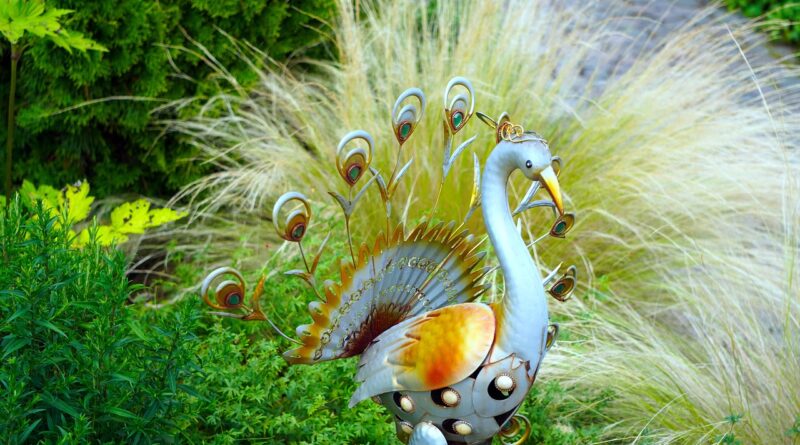
Metal garden decor ideas for patios, paths, and planting beds
Why metal garden decor works in outdoor design
Metal garden decor works best when it brings structure to parts of the garden that change through the seasons. A steel edging strip, aluminum wall panel, corten planter, iron trellis, or copper accent can hold a clear line while planting grows, fades, and returns. The aim is not to add metal everywhere. Strong outdoor schemes use metal as a frame, focal point, or contrast against foliage, stone, timber, gravel, and brick.
For homeowners, designers, and architecture-minded readers, the choice is practical as well as visual. The right metal depends on climate, exposure, weight, finish, installation method, and maintenance expectations. A powder-coated aluminum screen may be better suited to a coastal patio than untreated steel, while weathering steel can look attractive in a dry garden but may be risky beside pale paving because of early rust runoff.
For related outdoor styling ideas, visit the Furniture & Decor section.
Choose the role before choosing the object
Good metal garden decor starts with purpose. A piece that looks appealing in a product photo can feel random outdoors if it does not solve a spatial problem or support the garden’s architecture. Before choosing a finish or motif, decide what the metal element needs to do.
- Create a focal point: A sculptural panel, metal urn, or freestanding art piece can anchor the end of a path, a blank fence, or a quiet corner.
- Define an edge: Steel or aluminum edging can separate gravel, lawn, mulch, and planting beds with a crisp line.
- Add height: Obelisks, trellises, arches, and screens introduce vertical structure where planting is low or newly established.
- Provide rhythm: Repeated stakes, small sculptures, lanterns, or planters can lead the eye through a garden.
- Support privacy: Perforated or laser-cut metal screens can soften views without fully blocking light and airflow.
This role-first approach helps avoid the most common mistake: using too many small, unrelated accents. One substantial piece often looks more architectural than five small ornaments scattered through a bed.
Materials and finishes that matter outdoors
Metal is not a single outdoor material. Steel, aluminum, stainless steel, copper, galvanized steel, and weathering steel behave differently in rain, sun, salt air, and freeze-thaw conditions. The finish is often as important as the base metal.
| Material or finish | Useful qualities | Design considerations | Maintenance notes |
|---|---|---|---|
| Powder-coated aluminum | Lightweight, rust resistant, available in many colors | Good for screens, wall art, planters, and coastal patios | Wash with mild soap; avoid abrasive cleaners that can dull the coating |
| Powder-coated steel | Strong, crisp, often more affordable than stainless steel | Good for trellises, furniture accents, stakes, and panels when the coating is intact | Inspect chips because exposed steel can rust |
| Weathering steel | Develops a warm rust-colored patina | Works well with grasses, gravel, concrete, and modern planting schemes | Early runoff may stain pale stone, render, or paving |
| Stainless steel | Clean look, corrosion resistant, durable in many settings | Useful for contemporary accents, water features, and hardware | Can still show tea staining in marine environments and needs cleaning |
| Copper and brass | Warm color that weathers naturally | Good for small accents, lanterns, rain chains, and sculptural details | Patina is part of the look; polished finishes require more upkeep |
| Galvanized steel | Zinc coating helps protect steel from corrosion | Useful for planters, troughs, edging, and rustic-modern details | Check cut edges, joints, and drilled holes for exposed steel |
The Powder Coating Institute describes polyester and acrylic powder coatings as common choices for outdoor uses such as architectural applications, lawn and garden products, and outdoor furniture because of their UV stability. The American Galvanizers Association explains galvanized steel as a corrosion-protection system in which zinc acts as a barrier and also offers sacrificial protection to the steel beneath. In garden settings, these details matter because wear and corrosion often start at scratches, cut edges, welds, fasteners, and feet that sit in wet soil.
Where metal decor has the strongest impact
Metal garden decor has the most impact where the garden already needs definition. Instead of treating decor as a final accessory, use it to clarify movement, views, and planting composition.
Patios and outdoor rooms
On patios, metal decor can sharpen the relationship between furniture, containers, walls, and planting. A powder-coated screen behind seating can create a backdrop without the weight of masonry. A pair of tall metal planters can mark the transition from the house to the terrace. A low steel bowl, lantern group, or sculptural table object can help connect outdoor furniture to the planting around it.
For small patios, choose one finish and repeat it carefully. Black powder-coated metal often works with modern doors, window frames, railings, and lighting. Weathered steel can warm up concrete and pale gravel. Brushed or stainless finishes suit crisp contemporary spaces but may feel too reflective in lush cottage-style planting.
Paths, thresholds, and entrances
Paths are natural places for metal accents because they already guide movement. Steel edging can make gravel paths feel deliberate rather than informal. Slim metal stakes or low lanterns can mark a route without crowding the planting. At gates and thresholds, metal arches, address panels, or decorative screens can create a clear first impression.
The best entrance pieces are scaled to the architecture. A tiny ornament beside a large facade disappears, while an oversized sculpture beside a narrow path can feel obstructive. As a rule, use larger, simpler forms near architecture and smaller detailed pieces deeper in planting beds.
Planting beds and borders
Metal is especially useful in planting beds because it contrasts with organic shapes. Ornamental grasses, salvias, ferns, hostas, hydrangeas, and clipped evergreens all respond well to a metal backdrop or edge. A dark panel can make pale flowers more visible. A rust-toned steel planter can echo autumn foliage. A copper accent can pick up warm tones in brick, terracotta, and timber.
In naturalistic planting, metal should usually stay simple rather than decorative. Plain rings, edging, obelisks, and panels allow plants to remain the focus. In more formal gardens, symmetrical metal planters, repeated finials, or matching trellises can reinforce order.
How to match metal decor to garden style
The same metal object can look refined in one garden and awkward in another. Context makes the difference. Match the finish, silhouette, and level of detail to the architecture and landscape materials already present.
- Modern gardens: Use simple shapes, matte black, charcoal, corten, or brushed metal. Favor panels, cubes, trough planters, and clean edging.
- Cottage gardens: Choose lighter frames, arches, plant supports, and aged finishes. Avoid overly glossy pieces that compete with flowers.
- Mediterranean-style spaces: Combine metal with terracotta, gravel, stone, olives, herbs, and drought-tolerant planting. Rust, bronze, and black finishes usually sit well here.
- Urban courtyards: Use wall-mounted metal art, privacy screens, narrow planters, and vertical trellises to save floor area.
- Farmhouse and rustic gardens: Galvanized troughs, simple steel edging, and weathered finishes can work, but avoid turning functional objects into clutter.
- Coastal gardens: Favor aluminum, marine-suitable stainless steel, and high-quality coated finishes. Salt air can accelerate corrosion on unsuitable metals.
Garden Media Group’s 2026 Garden Trends Report points to continued interest in gardening as part of lifestyle, decor, and outdoor living. That broader trend supports a more integrated approach: metal decor should not sit as isolated ornament, but form part of how an outdoor space is used, viewed, and maintained.
Scale, color, and restraint
Scale is what separates a confident garden accent from visual noise. Metal has a strong presence because it reflects light, creates hard edges, and often contrasts sharply with plants. That strength is useful, but it calls for restraint. See also: Building Styles.
Use fewer finishes
Most gardens look calmer with one dominant metal finish and one supporting finish. For example, a patio might use black powder-coated furniture frames, black wall lights, and a single rusted steel planter as a warm counterpoint. Mixing black, chrome, copper, galvanized steel, and painted iron in the same view can look accidental unless the garden is deliberately eclectic.
Repeat shapes, not just materials
Repetition makes decor feel designed. If the house has rectangular black-framed windows, rectangular metal planters or screens can extend that language outdoors. If the garden is full of curved paths and soft planting, circular steel rings or rounded obelisks may sit more naturally than sharp geometric panels.
Let plants soften the metal
Metal decor often looks better once planting grows around it. Leave room for spillover, climbing stems, and seasonal movement. A trellis should be visible enough to provide structure, but not so dominant that it looks empty when plants are dormant. A screen should frame foliage rather than replace it.
Practical buying and installation checklist
Outdoor decor has to cope with wind, water, sunlight, soil contact, and regular handling. Before buying, look beyond the product photo and check how the piece is made, finished, and installed.
- Confirm the metal: Product descriptions should name the material, not just say “metal.” Aluminum, steel, stainless steel, and iron are not interchangeable.
- Check the finish: Powder coating, galvanizing, paint, oil, and natural patina require different expectations.
- Look at joins and welds: Rust and coating failure often begin at seams, drilled holes, and sharp edges.
- Review the base: Freestanding pieces need stable feet, ground spikes, anchors, or weighted bases.
- Consider wind: Flat panels and tall screens can catch wind. Secure them properly and avoid lightweight supports in exposed areas.
- Plan for drainage: Metal planters should have drainage holes, feet, or spacers so water does not sit against the base.
- Protect nearby surfaces: Weathering steel and some iron pieces can stain pale paving during early exposure.
- Match hardware: Use outdoor-rated screws, brackets, and anchors. Incompatible metals can contribute to staining or corrosion in wet conditions.
For heavy screens, wall-mounted art, and large sculptures, installation is not only decorative. It is a safety issue. When in doubt, use a qualified installer, especially on masonry, elevated decks, windy sites, or public-facing areas.
Care and maintenance without overcomplicating it
Metal garden decor is often described as low maintenance, but low maintenance does not mean no maintenance. A simple seasonal routine will keep most pieces looking intentional rather than neglected.
- Clean gently: Use water, mild soap, and a soft cloth or sponge. Avoid steel wool and harsh abrasives on coated surfaces.
- Inspect after winter: Look for chips, loose fasteners, rust spots, trapped leaves, and soil buildup around bases.
- Touch up exposed steel: If powder-coated steel is scratched to bare metal, clean the area and use an appropriate outdoor metal primer and paint according to the product guidance.
- Keep bases dry where possible: Raise planters slightly, clear mulch from metal feet, and avoid burying coated metal where scratches are likely.
- Accept natural patina: Copper, brass, galvanized steel, and weathering steel are often chosen because they change. Trying to freeze their original appearance can create unnecessary maintenance.
Climate should guide expectations. A sheltered courtyard in a dry region is forgiving. A coastal garden, shaded woodland edge, or irrigated planting bed is more demanding. The more moisture and salt a piece receives, the more important material selection and finish quality become.
Frequently asked questions
Is metal garden decor suitable for year-round outdoor use?
Yes, if the material and finish are designed for exterior exposure. Powder-coated aluminum, stainless steel, galvanized steel, and properly detailed weathering steel are common outdoor choices. Lightweight painted metal or thin untreated steel may deteriorate quickly if left outside in wet conditions.
What metal is best for coastal gardens?
Aluminum and suitable stainless steel are often better choices near salt air than ordinary painted steel. Powder-coated aluminum is popular because it is lightweight and does not rust like steel, although the coating still needs care to avoid chips and surface damage.
Will corten or weathering steel stain paving?
It can, especially during the early weathering period when rust-colored runoff is most active. Avoid placing new weathering steel directly above pale stone, render, porous concrete, or light paving unless staining is acceptable or drainage is carefully controlled.
How do you stop powder-coated metal from rusting?
Keep the coating intact, clean the surface gently, and repair chips promptly. Powder coating protects the metal beneath, but scratches that expose steel can become starting points for rust. Pay special attention to feet, edges, welds, and screw holes.
How much metal decor is too much?
If every bed, wall, and path has a different metal accent, the garden can start to feel busy. A stronger approach is to choose one main finish, repeat it in a few purposeful locations, and let planting provide softness, movement, and seasonal change.
The takeaway
Metal garden decor is most successful when it is treated as part of the garden’s structure rather than as a last-minute accessory. Choose the role first, then select a material and finish that suit the climate, architecture, and maintenance level. Used with restraint, metal can define edges, support plants, add privacy, frame views, and bring year-round character to outdoor spaces without overwhelming the landscape.