
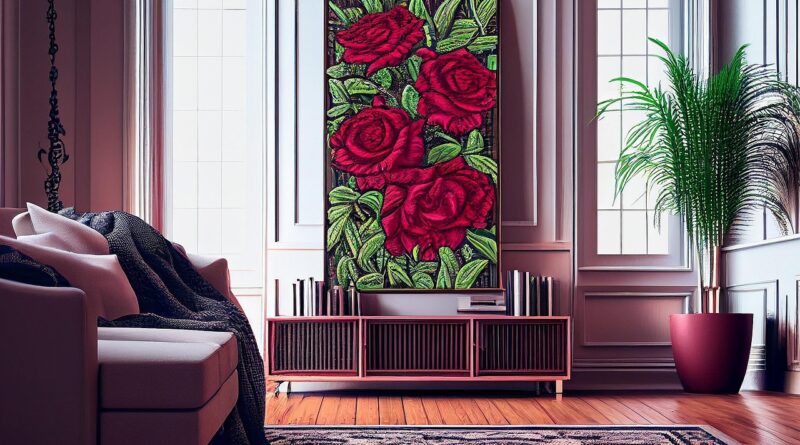
Different home decor styles and how to choose one that fits your home
Understanding different home decor styles before you decorate
Different home decor styles are more than visual labels. Each one brings together architecture, proportion, color, materials, furniture forms, lighting and the way a household actually uses its rooms. A modern room can feel calm or cold depending on texture. A farmhouse kitchen can feel authentic or staged depending on the materials. A traditional living room can feel elegant or heavy depending on scale. The goal is not to copy a style exactly, but to understand what each style does well, where it can fall short and how it fits the bones of your home.
This guide compares the major styles homeowners and design readers are most likely to encounter, then explains how to choose a direction without creating a dated or mismatched interior. For more home design ideas, visit the Home & Interior section on Archithaus.
A quick comparison of popular home decor styles
The table below gives a practical overview before going deeper. It focuses on design cues that can be checked in a real home: palette, materials, furniture shape and common risks.
| Style | Main look | Typical materials | Best suited for | Common mistake |
|---|---|---|---|---|
| Modern | Clean lines, open space, restrained decoration | Wood, glass, steel, leather, stone | Homes with simple architecture and good natural light | Making the room feel too bare or cold |
| Contemporary | Current, flexible and trend-aware | Mixed materials, sculptural lighting, textured fabrics | Owners who like updating pieces over time | Confusing every trend with a lasting design choice |
| Minimalist | Few objects, strong function, visual quiet | Plain wood, plaster, linen, concrete, matte finishes | Small spaces and calm living environments | Removing warmth along with clutter |
| Scandinavian | Light, functional and relaxed | Pale wood, wool, cotton, ceramics, simple metal | Apartments, family homes and modest rooms | Using only white and forgetting contrast |
| Traditional | Layered, symmetrical and detailed | Dark or medium wood, patterned textiles, brass, stone | Older homes or rooms with trim, molding and fireplaces | Overcrowding with heavy furniture |
| Transitional | Classic structure with cleaner modern lines | Wood, neutral upholstery, metal accents, natural stone | Homeowners who want balance and resale-friendly appeal | Letting the room become bland |
| Mid-century modern | Low profiles, tapered legs, organic shapes | Walnut, teak, leather, molded plywood, metal | Open living areas and compact furniture plans | Turning the room into a period set |
| Farmhouse | Comfortable, rustic and practical | Reclaimed wood, painted cabinetry, linen, iron, stoneware | Kitchens, dining rooms and casual family homes | Relying on signage and imitation distressing |
| Industrial | Raw, urban and utilitarian | Brick, concrete, black metal, leather, exposed structure | Lofts and spaces with high ceilings or visible structure | Making the space feel harsh and under-furnished |
| Coastal | Airy, relaxed and light-reflecting | Rattan, linen, pale wood, jute, glass | Bright rooms, vacation homes and relaxed interiors | Overusing nautical themes |
| Bohemian | Layered, personal and collected | Vintage textiles, rattan, wood, plants, global craft pieces | Creative homes and renters who want flexibility | Confusing layering with clutter |
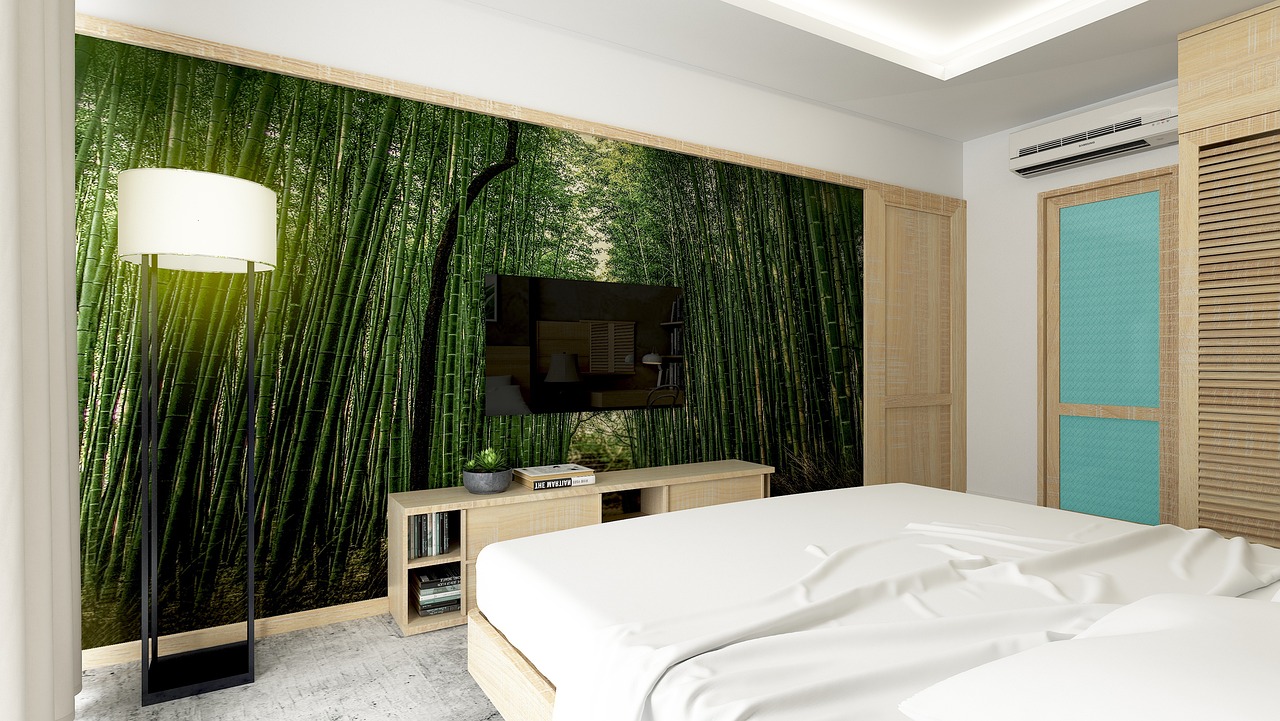
| Japandi | Warm minimalism with Japanese and Nordic influence | Oak, ash, bamboo, linen, clay, paper lighting | Calm bedrooms, living rooms and small spaces | Making the palette too flat |
| Eclectic | Curated mix of eras, colors and influences | Varied, but controlled through repetition | Homes with art, books, antiques or inherited pieces | Mixing without a unifying rule |
Clean-lined styles for calm and functional homes
Modern decor
Modern decor grew from early and mid-20th-century design ideas that favored function, clean geometry and less ornament. In homes, this usually means straight-lined sofas, simple cabinetry, open floor plans, neutral colors and materials that are allowed to stand on their own. Wood grain, stone veining, a well-shaped chair or a large window often replaces decorative detail.
The strength of modern decor is clarity. It works well when a room has good proportions, concealed storage and enough texture to keep it comfortable. The weakness is that it can become sterile if every surface is smooth and every color is gray. To make modern interiors livable, balance hard surfaces with woven textiles, warm wood, plants and layered lighting.
Contemporary decor
Contemporary style is often confused with modern style, but the distinction is useful. Modern refers to a historical design movement, while contemporary describes what feels current now. In 2026, contemporary interiors often include rounded furniture, statement lighting, warmer neutrals, organic textures, integrated technology and flexible rooms that support work, rest and family use.
Industry reports point to the same broader shift. The American Society of Interior Designers 2026 Trends Outlook, released in January 2026, emphasized wellness, adaptive living, sustainability, technology and economic uncertainty as forces shaping interiors. That does not mean every contemporary home should chase trends. It means current interiors are increasingly judged by comfort, resilience and personal relevance, not only by appearance.
Minimalist decor
Minimalism is about editing. It favors fewer objects, intentional storage, simple shapes and a limited palette. A good minimalist room is not empty; it is highly resolved. Every visible object has to earn its place, which makes proportion, texture and lighting especially important.
This style is useful in small apartments, busy households and bedrooms where visual calm matters. The key is to avoid confusing minimalism with deprivation. A minimalist room can include a thick wool rug, textured plaster wall, warm oak bed and a single large artwork. What it usually avoids is visual noise, duplicate furniture and accessories that do not support the room.
Warm classic styles with familiar character
Traditional decor
Traditional decor draws from European and American historic interiors. It often uses symmetry, substantial furniture, framed artwork, patterned textiles, table lamps, decorative molding and refined materials. It works especially well in homes that already have fireplaces, paneled doors, crown molding or formal room divisions.
The best traditional interiors feel layered rather than frozen in time. A traditional living room might pair a rolled-arm sofa with a cleaner coffee table, or antique wood furniture with a lighter wall color. The main risk is heaviness. If every piece is dark, ornate and oversized, the room can feel smaller and older than it is.
Transitional decor
Transitional decor sits between traditional and contemporary design. It keeps the comfort, symmetry and quality materials of traditional interiors, but simplifies the lines and lightens the palette. Think tailored upholstery, neutral walls, natural stone, medium-tone wood, subtle pattern and metal accents.
This is one of the most practical styles for homeowners who want a room to feel current without becoming trend-dependent. It is also forgiving when a home has mixed architecture, such as a suburban house with open-plan living but traditional trim. To keep transitional decor from becoming generic, add contrast through a darker wood table, sculptural lamp, patterned rug or one strong artwork.
Mid-century modern decor
Mid-century modern remains popular because it solves real spatial problems. Furniture from this design language often has slender legs, lower profiles and compact forms, so rooms feel more open. Typical materials include walnut, teak, leather, glass, molded plywood and metal. Colors can be neutral, but accents such as olive, rust, mustard or deep blue are common.
The best way to use mid-century modern today is selectively. A sideboard, lounge chair or dining set can bring character without turning the home into a replica of a 1950s interior. Mixing mid-century pieces with contemporary lighting, plain walls and natural textiles keeps the style fresh.
Relaxed and nature-led styles for everyday comfort
Scandinavian decor
Scandinavian decor is light, practical and human-scaled. It typically uses pale wood, simple furniture, white or soft neutral walls, natural textiles and functional objects that still feel beautiful. The style is especially useful where daylight is limited because reflective surfaces and light colors help rooms feel brighter.
Scandinavian does not have to mean all-white. The strongest rooms use contrast through black accents, warm wood, muted color, ceramics, art and tactile textiles. Storage is also central. Open shelves, baskets, wall hooks and simple cabinetry can keep the room relaxed rather than messy.
Japandi decor
Japandi blends Japanese restraint with Scandinavian warmth. It favors low furniture, natural materials, careful craftsmanship, warm neutrals and quiet negative space. Compared with pure minimalism, Japandi often feels softer because it welcomes grain, imperfection and handmade texture.
This style works well in bedrooms, bathrooms and living rooms where calm is the goal. It also aligns with the broader interest in wellness and natural materials noted across recent design industry outlooks. To make Japandi successful, use fewer pieces but choose better texture: a linen sofa, oak bench, paper lantern, clay vase or wool rug can carry more weight than a collection of small accessories.
Coastal decor
Coastal decor is inspired by light, air and ease rather than literal beach decoration. A strong coastal room might include white or sand-colored walls, slipcovered seating, rattan chairs, jute rugs, linen curtains, pale wood and blue or green accents. It should feel fresh, relaxed and breathable.
The common mistake is turning coastal style into a theme. Shell motifs, anchors and signs can make a room feel artificial if they are overused. A more architectural approach is to emphasize natural light, casual fabrics, washable surfaces and materials that age gracefully.
Expressive styles with texture, history and personality
Farmhouse decor
Farmhouse decor comes from practical rural interiors, but its modern version has become broader. It often includes painted cabinets, apron-front sinks, large dining tables, wood beams, open shelving, linen, iron hardware and vintage-style lighting. The appeal is comfort and informality. See also: Building Styles.
The most convincing farmhouse interiors focus on real materials and function. A worn wood table, stone floor or simple shaker cabinet will usually age better than decorative signs and fake distressing. In a newer home, farmhouse elements work best when balanced with cleaner lines, so the result feels grounded rather than themed.
Industrial decor
Industrial decor celebrates structure and utility. It suits lofts, converted buildings and rooms with brick walls, concrete floors, exposed beams, ductwork or large windows. Furniture is often simple and durable, with black metal, leather, reclaimed wood and oversized lighting.
The challenge is comfort. Raw materials can echo sound and feel cold, especially in large open spaces. Industrial rooms need softening through rugs, upholstery, curtains, warm bulbs and wood tones. Plants and art can also keep the style from feeling like a commercial space.
Bohemian decor
Bohemian decor is collected, layered and personal. It often mixes vintage furniture, patterned rugs, woven wall pieces, plants, books, ceramics, travel objects and saturated color. Unlike minimalist styles, bohemian interiors welcome visible life.
But successful bohemian design still needs control. The easiest rule is to repeat a few colors or materials across the room. For example, terracotta, cream and dark wood can appear in rugs, cushions, planters and frames. This gives the room rhythm while keeping the collected look intact.
Eclectic decor
Eclectic decor is not random. It is a deliberate mix of periods, styles and references. A room might combine a traditional rug, modern sofa, antique mirror, contemporary art and sculptural lighting. The success depends on editing and repetition.
Use at least one unifying device: a consistent color palette, repeated wood tone, similar metal finish or balanced scale. Eclectic design is especially helpful for real homes because most people do not start from scratch. They inherit, collect and adapt pieces over time.
How to choose the right decor style for your home
Start with architecture. A Victorian townhouse, glassy new-build apartment, ranch house and coastal cottage each suggest different design opportunities. You can contrast the architecture, but it should be done knowingly. A minimalist interior in an ornate old home can be striking if the original trim is respected. A traditional scheme in a plain new apartment may need added texture and molding to feel convincing.
Next, consider lifestyle. Homes with children, pets or multigenerational living need durable materials, storage and circulation space. The National Association of Realtors reported in 2026 that multigenerational home buying remained a meaningful part of the U.S. housing market, which reinforces a broader design reality: many homes must now support more people, more privacy needs and more flexible rooms than before.
Then look at maintenance. High-gloss finishes, pale upholstery and open shelving can be beautiful, but they require upkeep. Natural stone may need sealing. Vintage rugs may not suit every dining area. Minimalist rooms require hidden storage. Bohemian rooms require editing. Every style has a maintenance cost, even when the purchase price looks modest.
Finally, decide how much change you want. If you enjoy seasonal updates, keep expensive items neutral and change textiles, art and lighting. If you prefer long-term consistency, invest in architectural finishes, quality flooring, built-in storage and furniture with proven proportions. Decor trends move faster than renovation decisions, so permanent choices should be more restrained than accessories.
How to mix styles without making a room feel confused
Most good homes mix styles. The goal is not purity; it is coherence. A practical formula is to choose one dominant style for about 70 percent of the room, a secondary style for 20 percent and accents for the remaining 10 percent. For example, a transitional living room might use mostly classic upholstery and neutral walls, add mid-century side tables, then finish with contemporary art.
Color is the easiest connector. If your furniture comes from different eras, repeat a limited palette across rugs, pillows, artwork and accessories. Scale is equally important. A delicate vintage chair can look lost beside a massive sectional, while a heavy traditional cabinet may overpower slim modern furniture.
Materials also create unity. Repeating oak, brass, black metal, linen or stone in several places makes mixed pieces feel intentional. Lighting is the final layer. A room with only ceiling lights rarely feels complete, regardless of style. Combine ambient, task and accent lighting so the space works in the morning, afternoon and evening.
Frequently asked questions
What is the most versatile home decor style?
Transitional decor is often the most versatile because it balances classic structure with clean modern lines. It can work in many home types and is easier to update with art, rugs and lighting than more theme-driven styles.
Can one home have different decor styles in different rooms?
Yes, but the rooms should share some connecting elements. Repeated flooring, wall color, trim color, wood tone or metal finish can make different rooms feel related even when their furniture styles vary.
Which decor style is best for small spaces?
Minimalist, Scandinavian, Japandi and mid-century modern styles often work well in small spaces because they use cleaner lines, lighter visual weight and functional furniture. The best choice depends on whether you prefer a warm, bright, calm or more characterful room.
How do I avoid choosing a style that will look dated?
Keep permanent finishes simple, use natural materials where possible and avoid building an entire room around one short-lived motif. Trend-aware accents are easier to replace than flooring, tile, cabinetry or large furniture.
Do I need to follow one style exactly?
No. A home usually feels more authentic when it reflects architecture, lifestyle and personal history. Use style names as guides for decisions, not as rules that prevent practical or meaningful choices.