
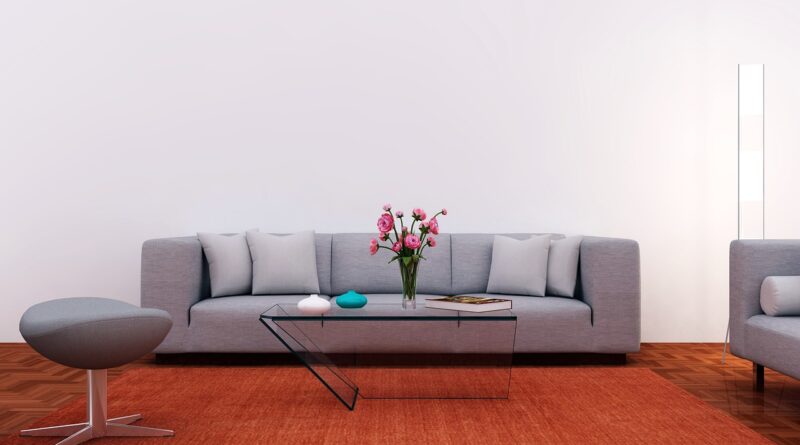
Modern coffee table decor ideas for a balanced living room
Why modern coffee table decor starts with restraint
Modern coffee table decor is not about filling the surface. It is about creating a clear, usable focal point within the living room. The strongest arrangements usually rely on three basics: scale that suits the table, a controlled material palette, and enough open surface for daily use. Rather than styling every inch, polished modern rooms tend to use negative space, a few tactile objects, and one practical anchor such as a tray, book stack, bowl, or sculptural vessel. The approach also fits a broader move toward warmer materials, quieter color palettes, and interiors that feel lived in rather than staged. For more room-by-room design context, see the Archithaus Furniture & Decor section.
The coffee table matters because it sits at the center of the main conversation zone. It is close enough to the sofa to be touched, used, and noticed, but low enough that it should not block sightlines or compete with seating. In that sense, it is a useful test of whether a living room feels balanced. A crowded table can make the room look noisy. A completely empty one can make the seating area feel unfinished. The aim is a composition that looks deliberate from every seat while still leaving room for a mug, remote, book, or serving plate.
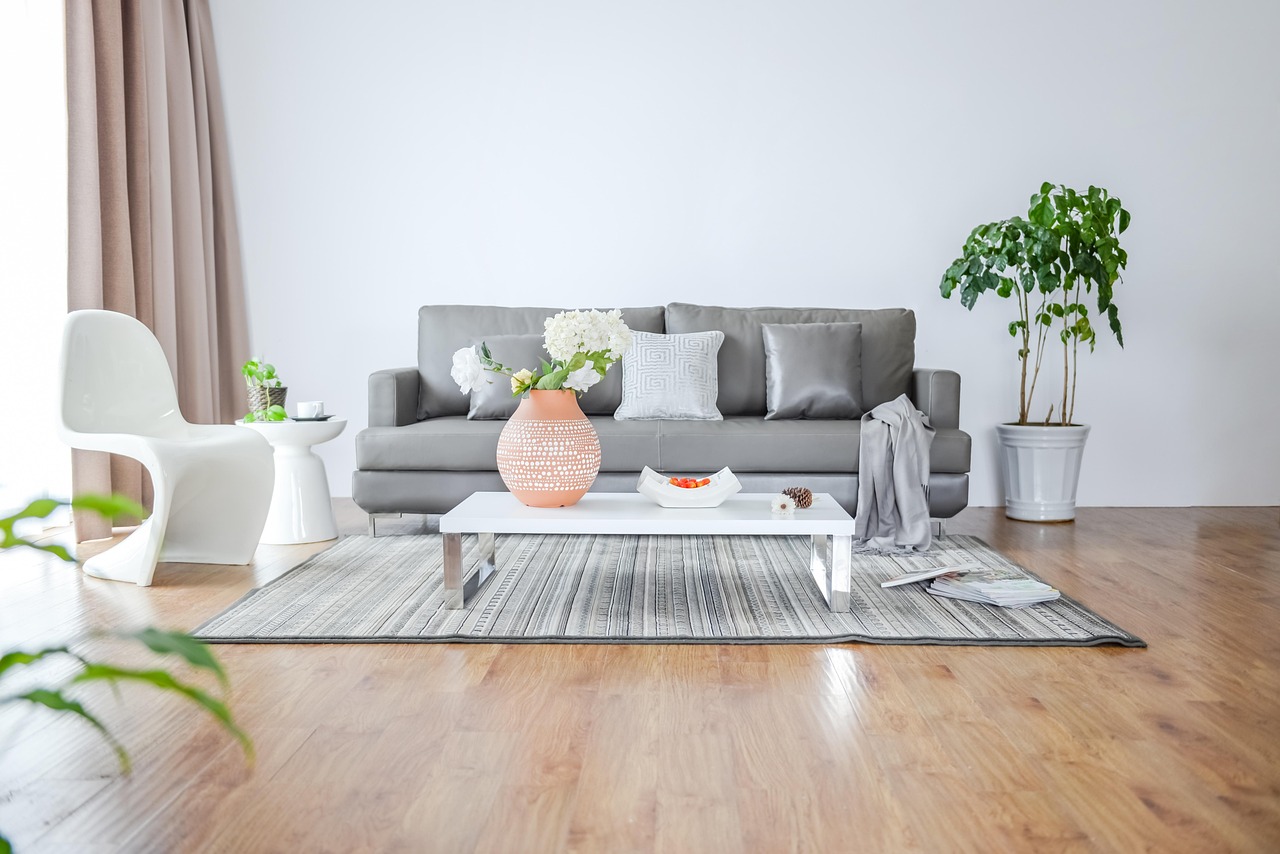
Start with scale, shape, and breathing room
Before selecting objects, study the table itself. The same styling formula will not work equally well on a round marble table, a long rectangular wood table, a nesting set, and an upholstered ottoman. Modern styling depends on proportion first. Even well-made accessories can look wrong if they are too small, too tall, or spaced without a clear relationship to the tabletop.
Match the arrangement to the table shape
On a rectangular coffee table, a linear arrangement often feels most natural. Place an anchor object slightly off center, then balance it with a lower object or book stack on the opposite side. On a round table, avoid drawing a rigid line through the middle. A triangular arrangement usually works better: one taller piece, one medium-width piece, and one low functional item. On square tables, divide the surface into loose quadrants, but leave at least one quadrant open so the layout does not read like a display shelf.
Keep height under control
Most coffee table decor should stay low enough to preserve conversation and television sightlines. A taller branch, vase, or candleholder can work, but it should be slim, placed away from the central viewing path, and balanced by lower objects nearby. In rooms where people often eat, work, or play games at the coffee table, low bowls, trays, and stacked books are usually more practical than fragile vertical pieces.
Use negative space as part of the design
Negative space is not wasted space; it is what allows the styled objects to look intentional. For everyday rooms, a useful rule is to leave roughly one-third to one-half of the tabletop visually clear. This matters even more with stone, burl wood, glass, or richly grained timber tables, where the surface material is already part of the decor. Space around objects helps the eye read the table shape and keeps a modern room from feeling cluttered.
Build a layered arrangement with four simple elements
A reliable coffee table arrangement does not need many accessories. The most flexible formula is a small group with four roles: an anchor, a height piece, a tactile object, and a functional item. The exact pieces can change by season or room style, but the roles remain useful.
Choose one anchor object
The anchor gives the composition structure. It might be a tray, an oversized design book, a shallow ceramic bowl, or a low stone dish. Trays are especially effective because they make small items look grouped rather than scattered. For a modern living room, choose a tray that contrasts gently with the table: warm wood on stone, leather on glass, metal on oak, or matte ceramic on lacquer.
Add one vertical note
A vertical element keeps the arrangement from looking flat. This could be a narrow vase, a small branch arrangement, a sculptural candleholder, or a plant with a clean silhouette. Restraint is important. One vertical piece is usually enough, particularly on smaller tables. If the object is visually strong, such as a black metal candleholder or a textured ceramic vessel, keep the surrounding pieces quieter.
Bring in texture without adding clutter
Texture is one of the simplest ways to make modern coffee table decor feel warmer. A ribbed ceramic bowl, linen-covered book, honed stone box, woven coaster set, or carved wood object can soften a room with smooth upholstery and straight architectural lines. Design reporting in 2026 from organizations and trade events such as ASID and NKBA has continued to emphasize natural materials, wellness-oriented interiors, and calmer palettes. On a coffee table, that direction translates best into touchable surfaces, not excessive ornament.
Keep one item useful
Modern decor works best when it supports daily behavior. A lidded box can hide remotes. A small tray can hold coasters. A bowl can collect matches, headphones, or game pieces. A book can be decorative and readable. The useful item keeps the table from becoming a purely styled surface that has to be cleared every time someone sits down.
Materials and colors that feel modern without looking temporary
Modern coffee table styling does not require a cold or minimal palette. Many strong current interiors pair clean lines with warm, tactile materials. Rather than chasing a single trend, choose materials that relate to the room’s larger architecture and finishes, including flooring, window frames, upholstery, metal hardware, lighting, and built-in shelving.
Warm wood and natural grain
Wood brings warmth to modern rooms, especially when the sofa, rug, and walls are neutral. Oak, walnut, ash, and darker stained woods can all work, but the finish should relate to other wood tones in the space. Exact matching is less important than compatible undertones. If the floor is warm oak, a walnut bowl or darker bookend can add depth. If the room already has dark cabinetry, a lighter tray can keep the table from feeling heavy.
Stone, ceramic, and plaster-like finishes
Stone and ceramic pieces give coffee table decor a grounded quality. Travertine, marble, limestone, and matte ceramic work particularly well in modern spaces because they introduce subtle variation without relying on heavy pattern. A small stone bowl or ceramic vessel can echo architectural materials elsewhere in the home. The most durable visual approach is to let one heavy material lead, then use lighter pieces around it so the arrangement does not become visually dense.
Metal as an accent, not the whole story
Metal can sharpen a coffee table composition, but too much shine can make the surface feel busy. Brushed brass, blackened steel, chrome, and aged bronze each create a different mood. In a modern room, metal often works best as a small accent: a candleholder, box detail, tray rim, or sculptural object. If the room already has prominent metal lighting or hardware, repeat that finish once on the table rather than introducing another competing tone.
Color in controlled doses
A modern coffee table can carry color, but the palette should be edited. Use one accent color in a book cover, vase, floral stem, or art object, then repeat that color subtly in a pillow, artwork, or rug. Earthy greens, warm neutrals, clay tones, deep browns, and muted blues are easier to integrate than high-saturation colors. If the table surface is already bold, such as lacquer, veined stone, or burl wood, keep the accessories quieter.
Styling formulas for common living room layouts
The best coffee table decor changes with the room. A formal sitting room can support a more composed arrangement, while a family living room needs durable, movable pieces. These formulas connect the styling approach to how the room is used. See also: Building Styles.
| Room situation | Modern styling approach | What to avoid |
|---|---|---|
| Small apartment living room | Use one tray, one low book stack, and one small vessel or bowl. | Oversized branches, multiple candles, or objects that cover the whole table. |
| Large sectional seating area | Create two or three low groupings so the table feels balanced from different seats. | A single tiny object in the center, which can look accidental. |
| Glass coffee table | Use soft textures, books, and matte objects to reduce visual sharpness. | Too many transparent or reflective pieces that disappear or create glare. |
| Ottoman used as a coffee table | Start with a sturdy tray to create a flat surface for books, drinks, and small decor. | Fragile vases or unstable objects on soft upholstery. |
| Family room with children or pets | Choose rounded, weighty, low-profile pieces made from wood, woven fiber, or resin. | Sharp-edged stone, delicate glass, or tall candles near the table edge. |
For small rooms
In compact rooms, the coffee table often has to work harder. It may serve as a dining surface, laptop spot, storage area, and visual centerpiece. Choose fewer objects and give each one a job. A small stack of books can raise a bowl, while a tray can organize coasters and a remote. Avoid spreading items evenly around the perimeter, which can make the table feel smaller and harder to use.
For open-plan spaces
In open-plan rooms, the coffee table often helps define the living area within a larger kitchen, dining, or circulation zone. A stronger central arrangement can be useful because the table is seen from multiple directions. Use objects with finished backs and interesting profiles from all sides. A sculptural bowl, wide vessel, or layered book stack will usually work better than decor with only one front-facing side.
For rooms with strong architecture
If the room already has a fireplace, exposed beams, large windows, built-ins, or a statement light fixture, the coffee table should support those features rather than compete with them. Repeat one architectural material in a smaller way. A blackened metal candleholder can echo steel-framed windows, while a travertine bowl can connect to a stone fireplace. This creates cohesion without making the table feel overly matched.
Safety, durability, and maintenance details to check
Coffee table decor should look good, but it also has to survive everyday contact. Because the table sits low and close to knees, drinks, pets, and children, material choices matter. Practical product information is often just as important as styling.
Be careful with glass
If a table has a glass top, check whether the manufacturer identifies the glass as tempered or safety glass. The U.S. Consumer Product Safety Commission has published safety information noting that voluntary ASTM guidance addresses tempered glass for horizontal table and desk surfaces. ASTM F2813 is the relevant specification commonly cited for glass used as a horizontal surface in desks and tables under 44 inches high. For everyday styling, avoid placing heavy stone objects near unsupported glass edges, and do not continue using a cracked glass tabletop.
Check composite wood information
Many affordable coffee tables use MDF, particleboard, or hardwood plywood under veneer or laminate. The U.S. Environmental Protection Agency identifies these pressed wood products as common sources of formaldehyde in indoor settings when they are made with certain adhesives. For U.S. shoppers, product pages or labels may reference TSCA Title VI compliance for regulated composite wood products. This is not a styling detail, but it is relevant when choosing furniture for a main living area.
Think about edges, weight, and finishes
Rounded corners are useful in tight circulation paths and family rooms. Heavy bowls should sit away from edges. Candles should be used only in stable holders and under supervised conditions. On wood tables, coasters and trays help prevent rings and scratches. On stone tables, acidic spills can etch some surfaces, so sealed finishes and quick cleanup matter. On lacquered tables, avoid placing rough ceramics directly on the surface unless felt pads are added underneath.
Consider responsible sourcing when buying new
If sustainability is part of the purchase decision, look beyond vague labels such as eco-friendly or natural. The Forest Stewardship Council describes chain-of-custody certification as a way to track certified wood through the supply chain. For a coffee table, a credible claim should be tied to the product or supplier documentation, not only to a decorative logo or broad marketing phrase.
Frequently asked questions
What should I put on a modern coffee table?
Start with one anchor such as a tray, bowl, or large book. Add one vertical object, one tactile object, and one useful item such as coasters or a lidded box. Keep the palette limited and leave part of the surface open.
How do I decorate a coffee table without making it look cluttered?
Use fewer, larger pieces instead of many small ones. Group small items on a tray, vary object heights, and leave clear space around the arrangement. Clutter usually happens when every object is similar in size or spread evenly across the table.
Should coffee table decor match the rest of the room?
It should relate to the room, but it does not need to match exactly. Repeat one or two materials, colors, or finishes from the surrounding space. Then add a contrasting texture so the table feels layered rather than overly coordinated.
How do you style a round coffee table?
Use a triangular layout instead of a straight line. Place a taller object, a medium object, and a low object at different points on the table. Keep the center from becoming too crowded, especially if the table is small.
What is the easiest modern coffee table decor formula?
The simplest formula is a tray, two books, a small vessel, and a useful object such as coasters or a box. It works because it gives the table structure, height variation, texture, and function without requiring many accessories.