
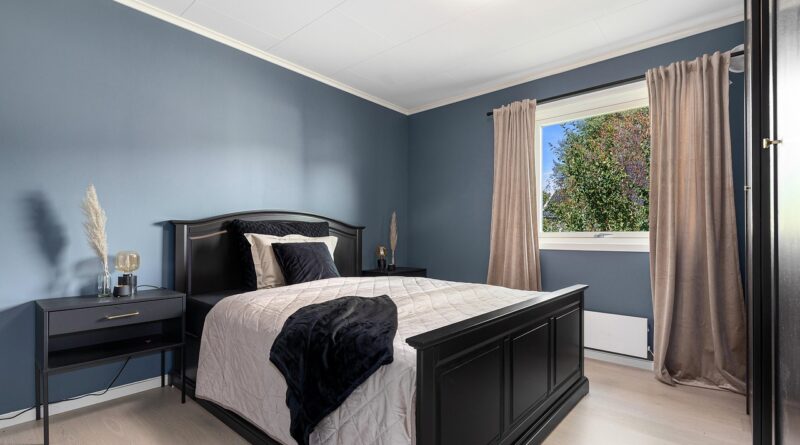
How to choose home decor furniture that fits your space and style
Start with the room before the shopping list
Good home decor furniture is more than a collection of attractive objects. It is the mix of sofas, tables, storage pieces, lighting, rugs and accents that makes a room easier to use while supporting the architecture around it. The most reliable process is straightforward: measure the room, understand how people move through it, choose anchor pieces at the right scale, then layer color, texture and decor to reinforce the mood.
Recent industry reports support this practical direction. The American Society of Interior Designers 2026 Trends Outlook, released on January 27, 2026, describes a more selective, value-conscious market focused on well-being, flexibility and long-term value. Houzz’s May 20, 2026 emerging trends report points to tactile materials, curved forms and warm colors as visible search-driven directions. (asid.org)
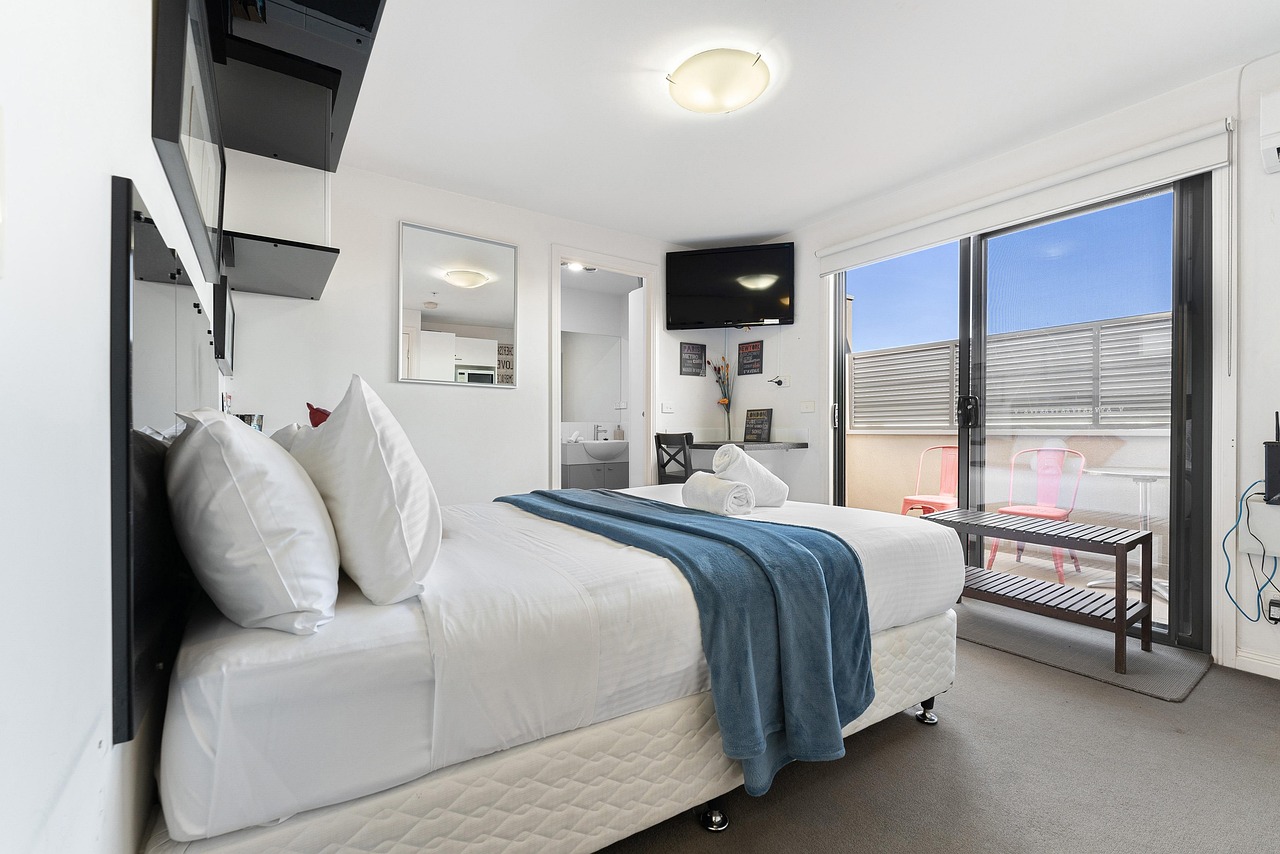
For more ideas across interiors, furniture and styling, explore the Furniture & Decor section. The framework below turns broad trends into practical choices that work in real rooms.
Map function, scale and circulation before style
The first decision is not fabric, color or brand. It is the role each piece must play. A living room arranged for conversation needs a different furniture plan from a media room, a quiet reading room or a combined lounge and work area. Before buying, note the doors, windows, radiators, floor outlets, views and built-in features. These fixed elements show where furniture can sit comfortably and where it will fight the room.
Start with anchor pieces: the sofa in a living room, the bed in a bedroom, the table in a dining area, the desk in a home office and the storage unit in an entry. Once the anchor fits, secondary pieces should support movement rather than fill every gap. Open floor area is not wasted space. It is what lets a room breathe, makes cleaning easier and allows chairs, drawers and doors to function properly.
| Room | Anchor piece | Scale check | Decor connection |
|---|---|---|---|
| Living room | Sofa or sectional | Can people enter, sit and pass through without turning sideways? | Use rugs, lamps and tables to define conversation zones. |
| Dining area | Dining table | Can chairs pull out without hitting walls or cabinets? | Use lighting and art to center the table visually. |
| Bedroom | Bed and storage | Can drawers and wardrobe doors open fully? | Use textiles to soften hard furniture and improve restfulness. |
| Home office | Desk and task chair | Is there room for work equipment without cluttering circulation? | Use shelves, trays and lighting to keep the workspace intentional. |
| Entry | Bench, console or cabinet | Does the door swing freely? | Use mirrors, hooks and baskets for order without bulk. |
Build a material palette that can age with the home
Material choice affects how furniture feels, wears and relates to the building. A stone-topped table can echo masonry or tile. Wood furniture can soften glass, metal and concrete. Upholstery can add acoustic comfort in open-plan rooms. The aim is not to match every surface, but to build a limited palette that repeats often enough to look deliberate.
For wood and wood-based furniture, distinguish between solid wood, veneer, plywood, MDF and particleboard. Each can be appropriate, depending on use, budget and construction quality. Solid wood may be repairable and long-lived, while engineered panels can provide stability and affordability. The key is transparency: look for clear product information, sound joinery, stable surfaces and realistic care requirements.
In the United States, the Environmental Protection Agency regulates formaldehyde emissions from certain composite wood products under TSCA Title VI. EPA consumer guidance says regulated hardwood plywood, MDF and particleboard are commonly used in furniture, and that finished goods containing regulated composite wood products manufactured in or imported into the United States must carry relevant compliance labeling. EPA also lists emission standards by product type, including 0.05 ppm for hardwood plywood, 0.11 ppm for MDF and 0.09 ppm for particleboard. (epa.gov)
For upholstery, think beyond color. A high-use family sofa needs fabric that can tolerate abrasion, cleaning and sunlight exposure. A formal accent chair can prioritize texture and silhouette. Leather, wool, cotton, linen blends, performance textiles and recycled fibers all behave differently. Ask how covers are cleaned, whether cushions can be replaced and whether the frame is serviceable. Durability is a design feature, not an afterthought.
Use color and texture to connect furniture with decor
Color and texture are where furniture becomes home decor furniture rather than isolated utility. Large pieces usually work best inside a coordinated palette, while smaller items can carry stronger accents. If the architecture is quiet, decor can add personality through patterned textiles, sculptural lamps and art. If the room already has strong beams, brick, tile or views, furniture should support those features instead of competing with them.
The 2026 design signals are useful, but they should be filtered through longevity. Houzz reported rising searches around rounded forms, tactile surfaces and warm earthy colors in its May 2026 U.S. trends report, including notable search growth for rust colors, chocolate brown, linen wallpaper, seagrass wallpaper and curved architectural features. ASID also described a return of maximalism, with more saturated color, playful silhouettes and visible personality after years of restraint. (blog.houzz.com)
| Observed direction | What it means for furniture | How to keep it livable |
|---|---|---|
| Curves and soft geometry | Rounded tables, arched cabinets, curved sofas and softened chair backs can reduce visual stiffness. | Use one or two curved pieces rather than making every silhouette rounded. |
| Tactile texture | Bouclé, linen, cane, ribbed wood, plaster-like finishes and woven accents add depth. | Balance texture with clean surfaces so the room does not feel visually noisy. |
| Warm earth tones | Rust, brown, taupe, cream, sage and clay tones can make furniture feel grounded. | Test colors in natural and evening light before committing to large upholstery. |
| Personal expression | Vintage pieces, collected art and unusual side tables can prevent a showroom effect. | Repeat at least one color, shape or material so variety still feels composed. |
A practical method is to choose three layers: a base color for large pieces, a supporting material such as wood or metal, and two accent tones for textiles and decor. This gives the room flexibility without making it feel uncontrolled. For example, a cream sofa, walnut tables, black metal lighting, sage pillows and rust ceramics can feel layered but still composed.
Check safety, emissions and maintenance before buying
Furniture decisions are not only aesthetic. Storage pieces, children’s rooms and high-use living areas need safety checks. Dressers, wardrobes and other clothing storage units can tip over if they are unstable, overloaded or climbed on. On April 19, 2023, the U.S. Consumer Product Safety Commission announced adoption of ASTM F2057-23 as a mandatory safety standard under the federal STURDY law, with the final rule effective September 1, 2023. CPSC said the standard includes stability tests for carpeted placement, loaded drawers, multiple open drawers and simulated interaction by children up to 60 pounds. The agency also reported 234 fatalities from clothing storage unit tip-overs from January 2000 through April 2022, including 199 child fatalities, and recommends anchoring furniture to the wall. (cpsc.gov)
That does not mean older furniture must be discarded automatically. It does mean storage needs careful placement and anchoring. Tall pieces should sit level, heavy items should be stored low and anti-tip hardware should be installed according to the manufacturer’s instructions. In rented homes, discuss approved anchoring methods with the property owner rather than skipping the step. See also: Building Styles.
Maintenance should be considered at the same time as style. A marble coffee table may look elegant but can stain or etch. A pale linen sofa can be beautiful, but it may not suit pets, young children or frequent entertaining unless covers are washable. High-gloss finishes show fingerprints. Open shelving invites styling but also dust. The right choice is the one whose upkeep fits daily life.
- Ask for product dimensions before ordering, including seat depth, table height and drawer depth.
- Check whether parts can be repaired, tightened or replaced.
- Confirm cleaning codes for upholstery and rug fibers.
- Look for compliance labels on regulated composite wood products.
- Anchor tall storage and test drawer operation after installation.
Choose flexible pieces for changing lifestyles
Rooms now work harder than they did in more single-purpose homes. A dining table may also serve as a homework zone. A guest room may double as an office. A living room may need to support quiet reading, family movie nights and occasional entertaining. This is why flexible furniture is often more valuable than oversized furniture.
Flexible does not have to mean temporary or generic. A bench can sit at the foot of a bed, move to a dining table or work in an entry. Nesting tables can expand for guests and shrink for everyday use. Modular shelving can handle books, baskets, display objects and work supplies. Ottomans with trays can shift between seating, footrest and coffee table. The best pieces have clear proportions, durable materials and enough visual restraint to move between rooms.
Adaptive design also matters for long-term living. ASID’s 2026 outlook notes that aging-in-place, downsizing, co-living and multigenerational caregiving are influencing housing expectations. For home decor furniture, that points to clearer circulation, supportive seating, accessible storage and layouts that can evolve without a complete redesign. (asid.org)
A practical buying sequence for a coherent room
Buying in the wrong order is one of the fastest ways to create a mismatched room. Start with the pieces that control scale, then move toward decorative layers. This sequence keeps the budget focused and prevents small accessories from setting a direction that large furniture cannot support.
- Measure the room. Record wall lengths, ceiling height, window dimensions, door swings and any built-in features.
- Define the main activity. Decide whether the room is for conversation, rest, dining, work, storage or a combination.
- Select anchor furniture. Choose the sofa, bed, table, desk or storage unit that establishes function.
- Add secondary pieces. Bring in chairs, side tables, consoles and shelving only where they solve a real need.
- Layer lighting. Combine ambient, task and accent lighting so furniture can be used comfortably at different times of day.
- Ground the plan with rugs and textiles. Rugs, curtains, pillows and throws connect furniture to the architecture and improve comfort.
- Edit decor last. Art, ceramics, books, trays and plants should clarify the room’s personality, not cover unresolved layout problems.
When in doubt, pause before buying another accent piece. A room often improves more from removing one weak item, adjusting furniture placement or upgrading lighting than from adding more decor.
Frequently asked questions
What is the difference between furniture and home decor?
Furniture provides function: seating, sleeping, dining, working and storage. Home decor adds atmosphere through color, texture, art, lighting, objects, rugs and textiles. The strongest rooms treat them together, so functional pieces also support the visual character of the space.
Should all furniture in a room match?
No. Matching sets can feel flat when every piece has the same finish, leg shape and scale. A more architectural approach is to repeat a few elements, such as wood tone, metal finish or color family, while varying shape and texture. This creates unity without making the room look copied from a catalog.
What furniture should I buy first for a new room?
Buy the anchor piece first. In a living room, that is usually the sofa or main seating group. In a bedroom, it is the bed and essential storage. In a dining room, it is the table. Once the anchor fits, secondary furniture and decor become easier to judge.
How can I make budget furniture look more considered?
Focus on proportion, repetition and editing. Choose simple large pieces, repeat one or two finishes, upgrade lighting where possible and use textiles to add warmth. Avoid filling every corner. A modest room with good scale and fewer, better-chosen accents usually looks more refined than a crowded room with many disconnected items.
How do I mix trend-driven decor with long-term furniture?
Keep expensive pieces quieter and use smaller decor for trends. A well-made sofa, dining table or cabinet should outlast a seasonal color cycle. Pillows, throws, lamps, vases and art are easier to change when tastes shift, making them better places for bolder experimentation.