

Mid century modern bedroom furniture buying guide for beds, dressers, and nightstands
Mid century modern bedroom furniture is at its best when it looks visually light, feels warm, and handles everyday storage without adding clutter. In practice, that usually means starting with a well-scaled bed, choosing nightstands that sit at the right height, selecting a dresser with stable construction, and then using textiles and lighting to soften the room. The style is known for tapered legs, simple silhouettes, visible wood grain, and restrained ornament, but a successful bedroom should not feel like a showroom set. It needs to support sleep, storage, cleaning, and circulation first. This guide explains what to look for, what to avoid, and how to use mid century modern pieces in contemporary homes, small rooms, and mixed interiors.
What mid century modern means in a bedroom
Mid century modern furniture is rooted in postwar modern design, when designers explored lighter forms, efficient production, plywood, molded shapes, and furniture suited to smaller modern homes. Museum collections such as MoMA and SFMOMA document the importance of Charles and Ray Eames, molded plywood, and Herman Miller’s role in bringing modern furniture into wider production. For bedroom furniture, the point is not to copy a museum object exactly. It is to carry over the underlying principles: clarity, usefulness, honest materials, and forms that feel lighter than their storage capacity suggests.
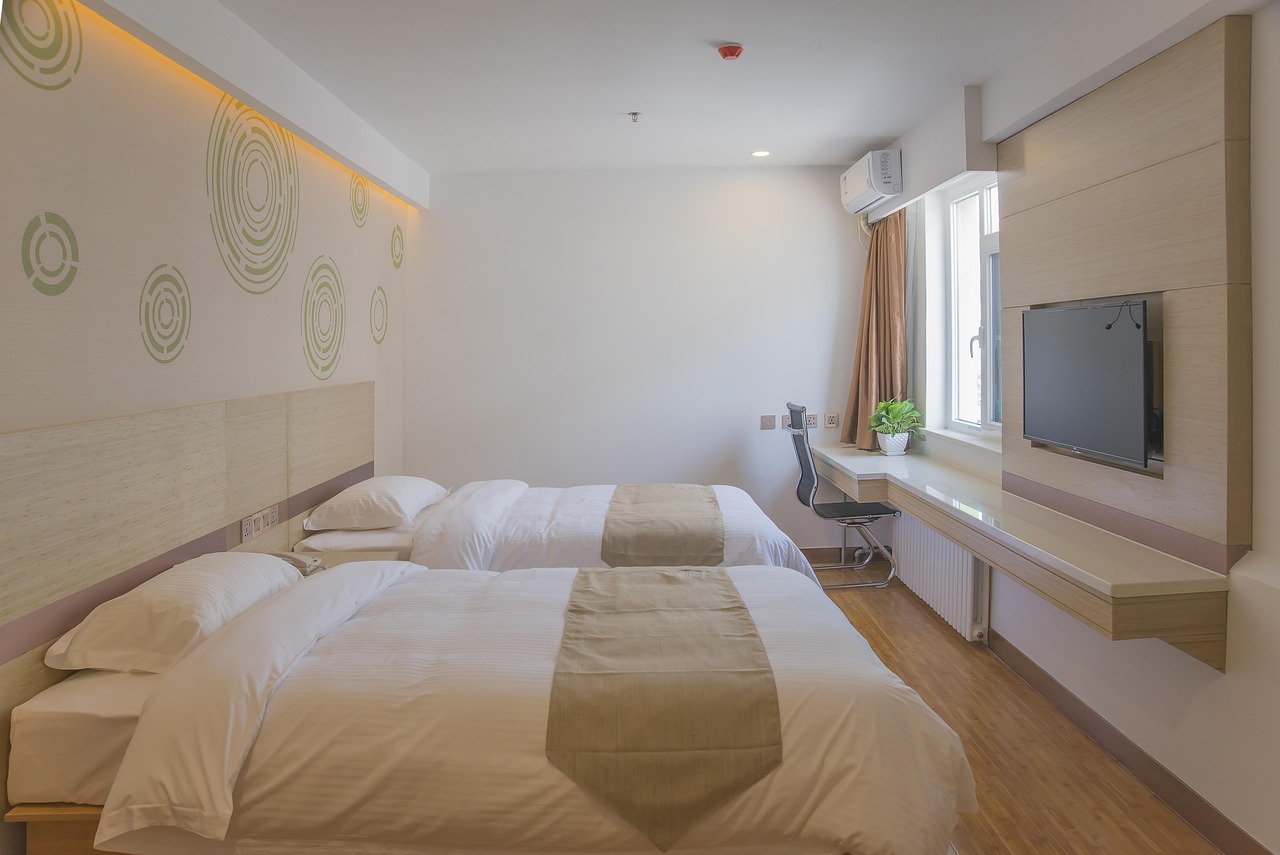
In bedrooms, the most common mid century cues are low horizontal lines, tapered or splayed legs, flat drawer fronts, integrated pulls, slim frames, and warm wood tones such as walnut, teak, oak, or ash. Ornament is limited. Instead of carved detailing, the interest comes from proportion, grain direction, leg angle, and the contrast between wood, upholstery, metal, or woven textures.
That simplicity is a major reason the style remains useful. It can warm up a white apartment, calm a visually busy older bedroom, or give a new-build room more character. The risk is over-themeing. If every lamp, chair, dresser, print, and bed frame is strongly retro, the room can feel staged rather than lived in.
Start with the bed before buying the rest of the room
The bed anchors a mid century modern bedroom because it sets the height, visual weight, and walking space for every other piece. A low platform bed, a slim wood frame, or an upholstered bed with tapered legs usually fits the style better than a tall sleigh bed or a heavily tufted frame. The goal is not always to buy the lowest bed available. It is to choose a frame that feels grounded while still leaving enough room for movement, bedding, and cleaning around it.
Before choosing a frame, measure the mattress, wall width, door swing, closet clearance, and the space needed on both sides of the bed. As a practical rule of thumb, 24 to 30 inches of walking space beside the bed is comfortable where the room allows, although small bedrooms often require compromise. In a compact room, a queen bed with slimmer nightstands may work better than a king bed that forces every other piece against the wall.
Mattress support also matters. Many platform beds use slats, and the slat spacing should match the mattress maker’s requirements. If the bed frame is vintage, inspect the joints, rails, and center support carefully. A good-looking frame is not a sound purchase if it creaks, bows, or lacks proper support for a modern mattress.
Choose nightstands and dressers by proportion, not by matching set
Mid century modern bedrooms often look stronger when the furniture is coordinated rather than identical. Matching bedroom sets can work, but they can also make a room feel flat. A walnut bed can pair with painted nightstands, a cane-front dresser, or a darker wood bench when the proportions, undertones, and level of detail are compatible.
| Furniture piece | Mid century modern cues | Practical checks |
|---|---|---|
| Bed frame | Low profile, slim rails, tapered legs, simple headboard | Measure walking space, mattress support, and headboard height |
| Nightstands | Small drawers, open shelf, compact legs, minimal pulls | Top should sit near mattress height for easy use |
| Dresser | Long horizontal case, flat fronts, wood grain, integrated handles | Check drawer glide, stability, wall anchoring, and depth |
| Wardrobe or armoire | Plain doors, raised base, simple handles | Confirm ceiling height, door swing, and anti-tip hardware |
| Bench or chair | Exposed wood frame, woven seat, compact lounge shape | Use only if circulation remains clear |
For nightstands, scale matters more than decoration. A nightstand that is too tall makes the bed feel sunken; one that is too low becomes inconvenient. Aim for a height close to the top of the mattress. If the room is narrow, consider a single-drawer nightstand with an open shelf or a wall-mounted shelf, but keep the lines simple so the wall does not look crowded.
Dressers deserve extra attention because they combine style, storage, and safety. The U.S. Consumer Product Safety Commission has emphasized the risks of furniture tip-overs, especially with clothing storage units in homes with young children. In 2023, the agency approved a mandatory federal safety standard for dressers and similar storage furniture. Whether a piece is new or vintage, use the supplied anti-tip hardware or an appropriate wall anchor, and avoid placing heavy items or televisions on top of tall bedroom storage.
Materials and finishes should feel warm, not heavy
Wood is central to the look, but the right finish depends on the room. Walnut gives a bedroom a deep, tailored feel. Teak reads warmer and slightly more casual. Oak or ash can make the same style feel lighter, which is useful in small rooms or homes with pale flooring. Veneer is not automatically a lower-quality choice; many important modern furniture designs used veneer and plywood intelligently. The issue is construction quality, edge detail, surface condition, and how well the material has been maintained.
For new furniture made with plywood, MDF, or particleboard, review the product information on composite wood compliance. The U.S. Environmental Protection Agency notes that composite wood products are commonly used in furniture and are subject to formaldehyde emissions standards. Certifications such as GREENGUARD or GREENGUARD Gold can also be useful signals when buyers are comparing products for lower chemical emissions, though certification should be treated as one factor rather than the only measure of quality.
Do not rely on wood alone. A bedroom also needs softness. Linen bedding, wool throws, cotton rugs, bouclé upholstery, woven shades, and paper or fabric lampshades can make angular furniture feel more restful. Brass, blackened steel, and ceramic accents also pair well with mid century forms, but keep metallic finishes consistent. Too many finishes can make the room look assembled from unrelated trends.
Use layout and lighting to protect the calm of the room
A bedroom is not just a furniture display. Sleep organizations such as the National Sleep Foundation and Sleep Foundation consistently emphasize a cool, dark, quiet, and comfortable bedroom environment. That guidance should influence furniture choices. A beautiful room that lacks lighting control, comfortable bedding, or practical storage may photograph well but perform poorly at night.
Mid century modern lighting works well in bedrooms because many designs are compact and sculptural. A globe lamp, cone shade, wall sconce, or small ceramic table lamp can add atmosphere without crowding the nightstand. If both sides of the bed are used for reading, choose lamps with enough height and directed light. In a small bedroom, plug-in wall sconces can free up the nightstand surface while keeping the look clean. See also: Building Styles.
Storage also affects how calm the room feels. Choose closed storage for visual clutter and open storage only where the contents will stay edited. A long, low dresser can double as a display surface, but limit the top to a lamp, tray, artwork, or a few personal objects. The style depends on negative space; leaving room around objects is part of the design.
How to mix mid century modern furniture with today’s interiors
The easiest way to make mid century modern bedroom furniture feel current is to mix periods with restraint. In a contemporary room, use a walnut bed or dresser to add warmth, then keep the bedding quiet and architectural. In a traditional room, cleaner nightstands can reduce visual heaviness while older trim, rugs, or artwork remain in place. In a small apartment, raised-leg storage keeps more floor visible and helps the room feel less blocked.
Color can be subtle or bold, but it should have a plan. Warm white walls, muted clay, olive, ochre, charcoal, and dusty blue all work with wood furniture. Brighter retro colors can be effective in small amounts, such as a pillow, artwork, or lamp base. If the furniture has strong orange undertones, balance it with cooler bedding or a neutral rug so the room does not become too warm.
For more interior ideas beyond the bedroom, browse the Furniture & Decor section for related design coverage.
A practical buying checklist
Use this checklist before buying new or vintage mid century modern bedroom furniture:
- Measure first. Record wall widths, outlet locations, door swings, closet access, and bed size before shopping.
- Check the silhouette. Look for clean lines, balanced proportions, and legs that make the piece feel lifted rather than bulky.
- Inspect construction. On vintage pieces, test drawers, look for veneer lifting, check leg joints, and smell for persistent mustiness or smoke.
- Confirm function. A dresser should fit actual clothing, not just look good in photos. Nightstands should hold the items used every night.
- Ask about materials. For new furniture, review composite wood compliance, finish details, and care instructions.
- Plan for safety. Anchor dressers, wardrobes, and tall storage, especially in homes with children or pets.
- Avoid buying everything at once. Start with the bed and one storage piece, then add lighting, textiles, and accent furniture after living with the room.
The best result is usually a room that refers to the mid century period without being locked into it. One strong bed, one well-scaled dresser, and good lighting can carry the style more effectively than a full set of lookalike pieces.
Frequently asked questions
Is mid century modern bedroom furniture still a good choice?
Yes, when the pieces are chosen for proportion, comfort, and storage rather than trend alone. The clean lines and raised profiles make the style adaptable, especially in rooms where bulky furniture would feel too heavy.
Does all the wood need to match?
No. Matching can look orderly, but mixed woods often feel more natural. Keep undertones compatible: warm walnut, teak, and medium oak can work together when the shapes are simple and the room has a consistent color palette.
What is the most important piece to buy first?
Start with the bed because it controls the room’s scale and circulation. After that, choose nightstands and storage based on the remaining space, not on a preset furniture package.
Can mid century modern furniture work in a small bedroom?
Yes. Raised legs, compact nightstands, low beds, and long horizontal dressers can make a small bedroom feel more open. The key is to avoid oversized frames and unnecessary accent chairs.
How can I keep the room from looking too retro?
Mix mid century furniture with simple contemporary bedding, modern art, quiet rugs, and restrained lighting. Avoid overusing starburst motifs, bright retro colors, or too many period-inspired accessories in one room.