
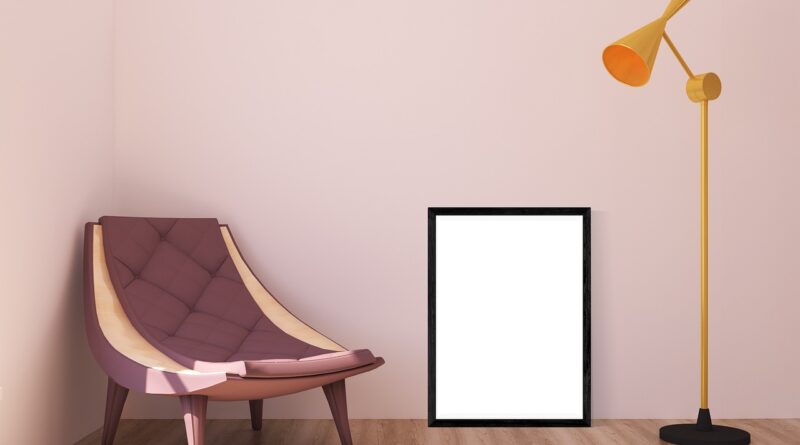
How to coordinate furniture lighting and decor for adaptable interiors
Furniture lighting and decor work best as one system
Furniture lighting and decor planning works best when the room is designed around use first and appearance second. A sofa, pendant, table lamp, rug, artwork and storage wall are not isolated choices. Together they affect circulation, comfort, visual hierarchy, energy use, cleaning, safety and mood.
Interior design discussion in 2026 continues to favor adaptable, personal and wellness-oriented spaces over rooms built around a single fixed style. The practical sequence is straightforward: establish the furniture plan, layer lighting around tasks and atmosphere, then use decor to connect scale, color, texture and identity.
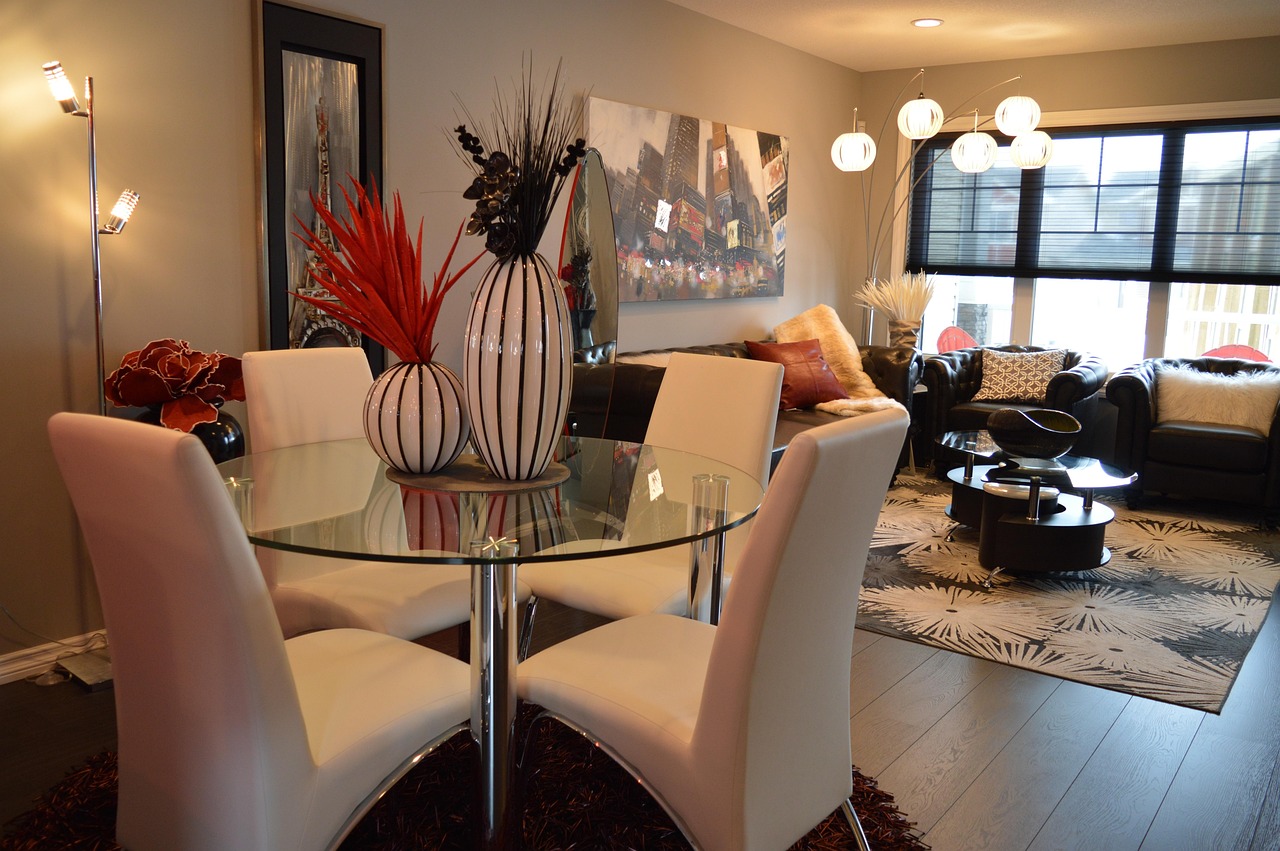
For more interior context across furnishings, finishes and styling, see the Archithaus Furniture & Decor section.
Why the furniture plan should come before the lighting plan
Lighting often fails when it is planned from the ceiling down instead of from the furniture up. Recessed downlights in a regular grid may illuminate the floor evenly, but they rarely support reading, conversation, dining, display and relaxation with equal success. The first step is to map where people sit, stand, work, eat, store belongings and move through the room. Once those positions are clear, lighting can be placed where it supports real activities.
In a living room, the main seating group defines the lighting zones. A floor lamp beside a lounge chair supports reading. A table lamp between two seats softens conversation. Wall washers or picture lights can add depth to art, shelving or textured walls. A dimmed ceiling fixture can provide general illumination without becoming the only source of light.
The same logic applies in other rooms. In a dining area, the table position should determine pendant placement, not the geometric center of the room. In a bedroom, bedside lighting should be evaluated from the pillow and sitting position, not only from a reflected ceiling plan.
This approach also reduces visual clutter. When furniture and lighting are coordinated, lamps can act as sculptural objects, side tables can help manage cords, and storage can hide chargers, remotes and small devices. The room feels calmer because each object has a defined role.
What 2026 trend signals say about furniture, lighting and decor
Trend reports should not be treated as design rules, but they can show where homeowner and designer attention is moving. The American Society of Interior Designers released its 2026 Trends Outlook on January 27, 2026, describing a design climate shaped by wellness, adaptability, economic selectivity, sustainability concerns and long-term value. For furniture and decor, that supports choices that are durable, flexible and emotionally specific rather than purely decorative.
Houzz’s 2026 U.S. Emerging Summer Trends Report, based on U.S. search activity from January through March 2026 compared with the same period in 2025, points in a similar direction. Reported increases included biophilic design, low-voltage lighting, repurposed materials, warm earthy colors and tactile finishes such as linen wallpaper, seagrass wallpaper, Venetian plaster and terracotta flooring.
The useful takeaway is not that every room needs all of these elements. It is that interiors are moving toward warmth, touch, nature references and lower-impact decision making. For architects and interior professionals, trend language is most useful when it is translated into performance questions:
- Can the furniture layout adapt when household routines change?
- Does lighting support both daytime focus and evening relaxation?
- Do materials add texture without making maintenance unrealistic?
- Can decor be changed seasonally without replacing major furniture?
- Are sustainability claims supported by credible product information?
In other words, the strongest trend is not a single color, lamp shape or sofa profile. It is a more integrated way of specifying rooms.
Build lighting in layers instead of relying on one fixture
The Illuminating Engineering Society published ANSI/IES/ALA RP-11-26 in 2026 as a residential lighting recommended practice covering lighting objectives, illuminance, methods, equipment, energy use and code considerations. Even when a home does not require a highly technical lighting package, the design principle is accessible: residential lighting should be planned by purpose and layer.
The most useful layers are ambient, task, accent and decorative lighting. Ambient lighting provides overall visibility. Task lighting supports specific work such as reading, cooking, grooming or writing. Accent lighting draws attention to art, plants, shelving, stone, plaster or architectural features. Decorative lighting contributes form, rhythm and character, even when the fixture is dimmed.
A balanced room rarely gives all four jobs to one fixture. A kitchen may combine ceiling or cove light for ambient illumination, under-cabinet light for tasks, pendants for decorative focus and shelf lighting for accent. A bedroom may use indirect ambient light, bedside reading lights, closet lighting and a shaded lamp that warms the evening atmosphere. A compact apartment may use fewer fixtures, but the principle remains the same: every light should have a job.
Color temperature and control matter as much as fixture style. Cooler light can feel crisp for tasks but harsh in rooms intended for rest. Very warm light can be flattering in lounges and bedrooms, but it may distort colors at a desk or vanity. Dimmers, separate switches and scenes are often more valuable than a more expensive decorative fixture because they allow the same room to shift from cleaning mode to hosting mode to quiet evening mode.
Use decor to connect scale, texture and identity
Decor is sometimes treated as the final shopping layer. In a successful interior, it is the bridge between architecture and daily use. Rugs define furniture groupings. Curtains soften acoustics and control glare. Art sets a sightline. Mirrors expand light when placed carefully. Objects on shelves can break down the scale of built-ins. Plants introduce volume and softness. Textiles help a room feel occupied rather than staged.
The most resilient decor schemes repeat a limited set of cues without becoming overly matched. A curved chair may echo a round table or arched lamp. A warm metal finish may appear in a floor lamp, cabinet pull and frame. A woven shade may connect to a jute rug or grasscloth wallcovering. A color from artwork may reappear in a cushion or ceramic object. Repetition helps the eye understand the room, while variation keeps it from feeling like a package.
Texture deserves special attention because it changes how light behaves. Matte walls diffuse light softly. Glossy surfaces create highlights and potential glare. Ribbed glass, boucle, linen, rattan, raw wood and plaster all catch shadows differently. If the lighting plan is flat, these materials can look dull. If the light is layered, texture becomes one of the most effective ways to add depth. See also: Building Styles.
A practical coordination framework for each room
The following framework gives homeowners, designers and architects a repeatable way to align furniture, lighting and decor decisions before purchases are made.
| Design question | Furniture decision | Lighting decision | Decor decision |
|---|---|---|---|
| What is the primary activity? | Set seating, table, bed or work zone first. | Add task light where the activity happens. | Use rugs, textiles or art to reinforce the zone. |
| Where should the eye go first? | Create a focal point with a sofa wall, table, bed or shelving. | Use accent light or a dimmable pendant to guide attention. | Support the focal point with art, objects or contrast. |
| How does the room change through the day? | Choose movable or multi-use pieces where needed. | Use dimmers, lamps and separate circuits for flexibility. | Keep smaller accents easy to edit seasonally. |
| What needs to stay quiet? | Provide closed storage for visual noise. | Avoid over-lighting cluttered surfaces. | Limit small objects in high-traffic zones. |
| What affects safety and maintenance? | Check stability, clearances and cleanable materials. | Control glare, cord paths and nighttime visibility. | Choose washable textiles and secure heavy objects. |
This matrix is intentionally simple. It helps prevent the common mistake of choosing a statement sofa, statement chandelier, statement rug and statement artwork that all compete for attention. A room can have personality without making every element shout.
Sustainability and wellness need specific product questions
Sustainable interiors are not created by green colors, plants or vague claims. They depend on material choices, product life, repairability, emissions, energy use and responsible sourcing. For contract and institutional furniture, BIFMA’s LEVEL certification is built around the ANSI/BIFMA e3 Furniture Sustainability Standard, which addresses environmental, health, wellness and social impacts. Residential shoppers may not always see the same documentation, but the questions behind the standard are still useful.
Ask whether a product can be repaired, reupholstered, refinished or disassembled. Look for clear information about wood sourcing, recycled content, foam, finishes, adhesives and textile durability. Consider vintage or repurposed pieces where appropriate, especially for tables, case goods, mirrors, ceramics and accent seating. Reuse can add character while reducing demand for new materials, but safety and condition still matter.
Indoor air quality is another practical concern. The U.S. Environmental Protection Agency identifies building materials, furnishings, finishes and household products as possible indoor pollutant sources, including volatile organic compounds. That does not mean every new piece of furniture is unsafe. It does mean source control, ventilation and product selection matter. In freshly furnished rooms, allow ventilation when possible and be cautious with strong odors, especially in bedrooms, nurseries and small apartments.
Lighting also affects wellness. The WELL Building Standard discusses lighting in relation to visual acuity, glare, circadian rhythm and sleep quality. For homes, the careful editorial takeaway is not to promise health outcomes from a lamp. It is to design for daylight access, glare control, appropriate task lighting, warm evening settings and darkness where sleep is the priority.
Safety, clearances and long-term adaptability
Good decor should not create avoidable hazards. The U.S. Consumer Product Safety Commission reported on July 29, 2025 that its Anchor It! campaign, launched in 2015, coincided with a nearly 50 percent decline in tip-over-related injuries and deaths. The CPSC also noted that a federal mandatory standard for clothing storage units such as dressers and armoires took effect in September 2023. The practical guidance remains direct: anchor dressers, bookcases and TVs where appropriate, keep heavy items low, manage cords and avoid placing tempting objects high where children may climb.
Clearance is another overlooked part of furniture lighting and decor planning. A beautiful floor lamp becomes a problem if it blocks a walkway. A coffee table should leave comfortable movement space around seating. Dining chairs need room to pull back. Bedside pendants should not hit someone sitting up in bed. Rugs should be sized and placed to reduce tripping, especially where they meet thresholds or rolling furniture.
Adaptability is equally important. A room that can accept a new desk, a sleeper sofa, a larger table or an additional storage piece will age better than one optimized for a single photograph. This is where modular storage, movable lamps, neutral large pieces and changeable decor earn their value. Flexible does not have to mean bland. It means the expensive and difficult-to-change decisions are calm enough to support future life changes.
Frequently asked questions
Should furniture or lighting be chosen first?
In most rooms, choose the furniture layout first and the lighting strategy second. The layout shows where people sit, work, read, eat and walk. Lighting can then be placed to support those activities instead of simply filling the ceiling.
How many lighting layers does a room need?
Most rooms benefit from at least three layers: ambient, task and accent or decorative lighting. Small rooms may combine layers in fewer fixtures, while kitchens, living rooms and open-plan areas often need more control points.
How can decor make a room feel more cohesive?
Repeat a few cues across the room, such as color, shape, material or finish. Cohesion comes from controlled repetition, not from buying every item in a matching set.
What is the safest way to use heavy furniture and decor?
Anchor tall or unstable furniture where needed, keep heavy items on lower shelves, manage cords and avoid placing climbable objects near children. Safety should be checked before styling is finalized.
Are 2026 interior trends worth following?
Trends are useful when they reveal broader needs, such as comfort, sustainability, tactile materials and flexible living. They are less useful when copied as a fixed look. The better approach is to translate trend signals into choices that fit the room, budget and occupants.
The editorial takeaway
The strongest interiors are not assembled by buying furniture, lighting and decor separately. They are coordinated around behavior, atmosphere and long-term use. Start with the plan, light the activities, edit the focal points, choose materials with evidence behind them and leave enough flexibility for the room to evolve. That method produces interiors that feel designed, not merely decorated.