
How Facade Design Shapes Building Identity
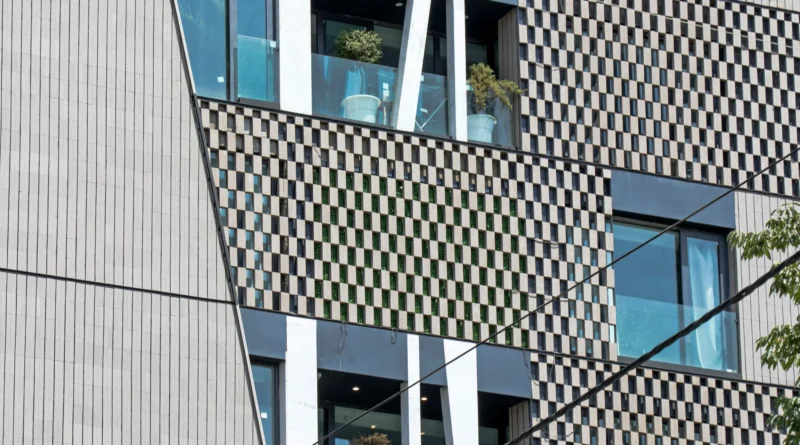
Facade design goes beyond simple decoration. It shapes how folks see and connect with buildings. You might work on a tall office building, a museum, or a group of homes. In each case, the facade shows the building’s reason for being, its cultural ties, and fresh ideas. Today, facade work mixes good looks with real-world needs. It balances eye-catching style, green practices, and everyday use. This piece looks at how facade design builds a building’s unique character. We cover choices of materials, adding tech, showing culture, and reacting to the environment.
Why Does Facade Design Influence Architectural Identity?
A building’s outer layer often acts as its main face to the world. It creates the first view that sets the building’s place in the city. When done with care, this outer part shares a tale about what the building does and what it stands for. Builders use sizes, feels, and patterns to make outer walls that touch people on an emotional level. Both those who use it and those who just pass by feel that pull.
Visual Expression and Perception
The way a facade looks—its shapes, see-through parts, and colors—changes how people read the building’s personality. Take simple glass walls. They suggest openness and forward thinking in office setups. On the other hand, rough stone or brick points to lasting strength and old ways. How light bounces and shadows fall can shift feelings as the day goes on. In the morning, a facade might feel bright and welcoming. By evening, it turns more mysterious. I’ve seen this in real city spots where the same wall looks totally different at dawn versus dusk.
Symbolism and Cultural Reference
Facade work often holds deeper signs linked to local history or ways of life. A museum could rework old patterns with new stuff to link yesterday and today. Look at the Louvre Abu Dhabi. It uses metal sheets with holes, drawn from Arabic mashrabiya screens. These let light in softly and nod to local roots. Such touches make the outer wall a story of culture, not just a flat cover. In places like that, it’s like the building whispers tales from the past to modern visitors.
Integration With Urban Context
A strong facade fits well with what’s around it. It doesn’t overpower the scene. Planners study nearby sizes, shades, and flows to match the feel. In busy spots like Tokyo or New York, this care stops a mess of sights. Yet it lets the building stand out a bit through small twists in design or clearness. Think of a new shopfront next to old brick buildings. It echoes the red tones but adds a modern twist with slim lines. That blend keeps the street feeling whole.
How Do Material Choices Affect Building Identity?
Picking materials sits at the heart of giving a building’s outside a real touch and deep feel. It affects not just the look but how long it lasts and how it handles the weather. Choices like these can make a structure feel warm and inviting or cool and sleek.
Natural Materials for Authenticity
Things like stone, wood, and clay bricks bring a true sense of the land. They wear well as years pass. Plus, they tie the build to nearby rocks or handmade skills. Rammed earth walls in dry areas show green ways. They mix right into sandy views. In one project I recall from the Southwest U.S., such walls cut cooling needs by 20% and looked right at home.
Metal and Glass for Modernity
Metal sheets and glass walls stand for sharp work and tech progress. Aluminum mixes let builders make light setups for tricky shapes. Special glass helps control light inside without wasting power. This fits what businesses want now. It’s common in high-rises where natural light boosts worker mood, but heat stays out.
Composite Systems for Performance Balance
Mixed setups join different materials for better outcomes. Glass fiber-reinforced concrete (GFRC), insulated metal panels (IMP), or double-skin facades mix toughness with heat control. They give room for creative shapes. At the same time, they meet tough rules on energy use. In a recent office build in Europe, these helped drop energy bills by 15% while keeping the look bold.
What Role Does Technology Play in Contemporary Facade Design?
New tech has changed outer walls from fixed covers to smart setups. These adapt to weather and what people need. It’s exciting how gadgets make buildings more alive.
Parametric Design Tools
Computer models let builders test sun paths, air movement, or weight loads before starting work. Tools like Grasshopper give exact say over panel angles or hole counts. This brings both nice views and smart use. For example, in a sunny spot, you can tilt shades just right to block glare without dark rooms.
Smart Facade Systems
Moving shade parts shift on their own with sun strength or how many people are around. Some walls have solar cells built in to make power right there. These clever parts make the facade help the building work better. Not just sit there. Imagine a school where shades close during hot afternoons, keeping kids comfy without extra AC.
Advanced Fabrication Techniques
3D printing and robot building allow detailed designs that hands couldn’t do before. Cut aluminum edges or carved glass now come at prices that fit big jobs. They mix art with factory skill. In Asia, I’ve heard of towers with wavy patterns from robots that took weeks instead of months by hand.
How Does Sustainability Intersect With Facade Design?
Green facade plans tackle power savings. They also boost comfort for those inside and care for the planet. It’s key in a world facing climate shifts.
Passive Climate Control Strategies
Double-skin facades make air spaces that ease hot and cold swings. Outside blinds cut sun heat but let light through. This works well in warm places like Singapore’s tall offices. There, such designs keep inside temps steady, saving on fans and heaters year-round.
Renewable Energy Integration
Building-integrated photovoltaics (BIPV) turn walls into power makers. Clear solar bits in glass give energy without blocking the view. This grows in projects aiming for zero waste. One U.S. hotel used this to cover 30% of its needs, cutting grid pull nicely.
Recyclable Materials and Lifecycle Thinking
Builders now pick stuff with low carbon marks or easy reuse, like aluminum mixes or reused glass bits. Tools check full life effects from the start. It helps spot issues early. In green certifications, this focus often scores high points for long-term good.
Can Cultural Context Shape Facade Language?
Local ways deeply guide how outer walls speak a building’s story in different areas. It adds layers that make places feel personal.
Regional Patterns and Ornamentation
Builders rework old local designs with fresh methods. Laser-cut metal screens might copy traditional grids. This keeps ties between old skills and new steps. In the Middle East, these often cool air naturally while looking familiar.
Local Climate Adaptation as Cultural Expression
In hot lands, deep windows or covered spots do more than work. They show smart fixes from years of living with tough weather. These aren’t just add-ons. They carry stories of survival and smarts passed down.
Urban Memory Preservation
Keeping bits of old outer walls in new builds holds shared pasts. It shows honor for the spot’s history. This happens a lot in Europe’s redo projects. Sometimes, it’s just a wall section that sparks talks about change over time.
How Do Lighting Strategies Reinforce Facade Identity?
Lights turn outer walls into lively spots at night. They stretch the building’s tale past sunny hours. Done right, it makes the place feel safe and special after dark.
Day-Night Duality Design
Day shapes turn into spots for night lights. Soft upward glows highlight tall lines without harsh shine in cities. This switch adds depth. A plain wall by day might glow warmly at night, drawing eyes from blocks away.
Integrated LED Systems
Built-in LEDs that change colors react to happenings or times of year. You see this on big screens like Seoul’s Galleria Department Store by UNStudio. It makes the facade fun and tied to the city’s pulse.
Human-Centered Nighttime Experience
Good lights at doors build a sense of safety. They highlight fine work that sun hides. This mix builds a bond between people and the build even in the dark. In busy streets, it guides folks without overwhelming the quiet night vibe.
FAQ
Q1: What is the main goal of facade design?
A: The main goal is to define a building’s visual identity while balancing aesthetics with functionality such as energy efficiency, durability, and user comfort.
Q2: Which materials are most sustainable for modern facades?
A: Recycled metals, sustainably sourced timber, high-performance glass with low-emissivity coatings, and composite panels made from renewable resources are considered sustainable choices today.
Q3: How does technology improve facade performance?
A: Technologies like parametric modeling optimize geometry for climate response; smart sensors regulate shading; integrated photovoltaics generate on-site power—all improving overall performance metrics.
Q4: Why is cultural context important in facade design?
A: It ensures designs resonate locally by reflecting regional traditions or climatic adaptations rather than imposing generic global styles disconnected from place identity.
Q5: What future trends will shape facade design?
A: Expect growth in adaptive kinetic systems powered by AI algorithms predicting weather changes; bio-based materials reducing carbon footprint; plus interactive lighting enhancing user engagement across urban lan