
How Can Design Living Room Concepts Elevate a Lenox Hill Space With Meaning
Filling a Lenox Hill Living Room With Objects That Inspire
A Lenox Hill living room carries an inherent dialogue between heritage and innovation. The design living room concept here is not about decoration alone but about shaping an environment that reflects personal meaning within architectural sophistication. Every object—from art to furniture—contributes to a layered narrative that speaks of identity, culture, and time. The most successful interiors are those that merge spatial logic with emotional resonance, allowing the homeowner’s story to unfold through curated form, texture, and light.
Exploring the Essence of Design in a Lenox Hill Living Room
The Lenox Hill neighborhood embodies a refined urban character rooted in history yet open to modern adaptation. Designing within this context demands sensitivity to proportion, craftsmanship, and atmosphere. Each decision must balance respect for the building’s architectural language with the evolving needs of contemporary living.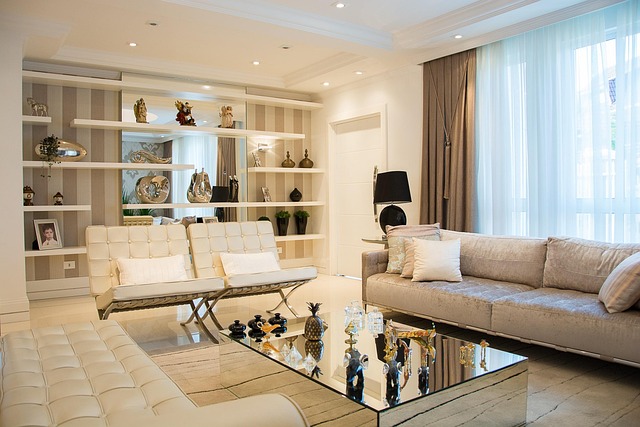
Understanding the Spatial Character of Lenox Hill Residences
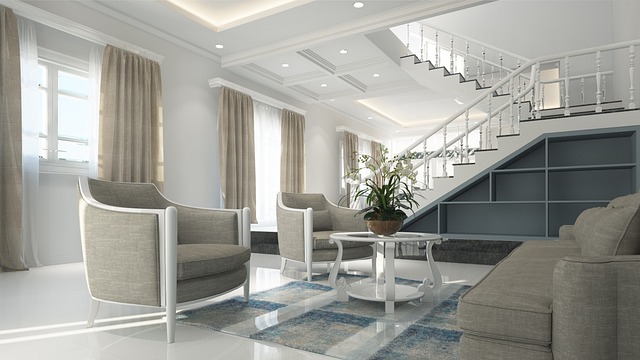
Many Lenox Hill apartments feature high ceilings, intricate moldings, and generous windows that flood rooms with natural light. These architectural traits shape how designers approach scale and color. A tall ceiling calls for vertical emphasis—perhaps through elongated drapery or stacked art arrangements—while crown moldings encourage restraint in furniture height to maintain visual harmony. The cultural legacy of this Upper East Side enclave invites a hybrid aesthetic: classic bones paired with clean-lined furnishings that express modern ease. Spatial flow matters as much as proportion; furniture placement should create intuitive pathways while preserving openness between living and dining zones.
Defining “Meaning” in Interior Design Concepts
Meaning in interior design arises from the interplay between form, function, and personal narrative. A Lenox Hill living room gains authenticity when it reflects its inhabitant’s values rather than following trends. Symbolic objects—a family heirloom vase or a painting collected abroad—imbue emotional weight beyond aesthetics. Such pieces transform rooms into lived stories rather than styled sets. The designer’s role is to interpret these narratives through composition and materiality so that every element feels intentional yet effortless.
Integrating Objects That Inspire Into the Living Room Concept
Objects chosen for a Lenox Hill residence should do more than fill space; they should provoke curiosity and connection. Inspiration often comes from contrasts—between eras, textures, or ideas—that keep the eye engaged while maintaining coherence.
The Role of Art and Collectibles in Creating Emotional Depth
Art anchors emotion within architecture. A bold abstract canvas can offset traditional paneling, introducing tension that enlivens the room. Sculptures or ceramics add tactile intrigue; vintage finds lend historical texture that complements newer works. When illuminated thoughtfully—perhaps by concealed track lights or wall washers—the art becomes part of the spatial rhythm rather than an isolated statement. In expert practice, lighting temperature around 3000K tends to preserve true color without harshness, reinforcing both mood and authenticity.
Using Furniture as a Medium of Expression
Furniture defines how people experience space physically and emotionally. Custom pieces crafted by local artisans often carry subtle imperfections that celebrate human touch—a quality mass production rarely achieves. Proportions must align with both comfort and architectural context: a deep sofa suits large parlors but overwhelms smaller layouts typical of prewar co-ops. Material choices such as walnut or linen communicate warmth, while metal accents introduce refinement without excess gloss. A well-curated mix signals sophistication grounded in restraint.
Designing for Atmosphere: Light, Color, and Texture Interplay
Atmosphere is where technical precision meets sensory response. Light modulates perception; color defines mood; texture invites touch—all three must converse fluently for balance to emerge.
The Impact of Natural and Artificial Lighting on Mood
Natural daylight remains central to any design living room strategy in Lenox Hill apartments blessed with tall sash windows. Yet artificial lighting completes the composition after dusk through layered systems: ambient sources establish base illumination; task lights support reading or conversation; accent fixtures highlight art or architectural details. Window treatments should filter sunlight without concealing craftsmanship—sheer linen panels often achieve this dual purpose elegantly.
Color Palettes That Reflect Urban Sophistication
Urban sophistication thrives on subtle contrast rather than saturation. Neutral foundations—soft taupe walls or pale stone floors—allow artwork and furnishings to shine independently. Accents inspired by Manhattan’s skyline blues or Central Park greens introduce contextual depth without cliché. Tonal variation across fabrics prevents monotony while enhancing perceived spaciousness in compact rooms typical of city dwellings.
Textural Contrasts That Add Sensory Richness
Texture gives life where color alone falls short. Pairing wool rugs with polished marble tables creates tension between softness and solidity that invites exploration through touch. Organic materials like jute or linen temper formal architecture with approachable warmth. Layering textiles—throws over armchairs, cushions on benches—adds comfort yet must remain visually disciplined to avoid clutter.
Curating Meaningful Layouts for Functionality and Flow
A well-planned layout transforms beautiful objects into a cohesive environment where movement feels natural and purpose-driven.
Zoning Strategies for Multi-Purpose Living Rooms
Modern urban life demands flexibility from every square foot. Rugs can delineate conversation areas without erecting barriers; low bookcases subtly divide zones while maintaining sightlines across open plans. Seating arrangements should adapt easily—from intimate gatherings to larger social events—through movable ottomans or modular sofas that reconfigure quickly.
Harmonizing Scale Between Architecture and Furnishings
Scale determines whether grandeur feels gracious or overwhelming. Oversized chandeliers might emphasize ceiling height but require proportional anchoring below—perhaps via a substantial coffee table or area rug—to prevent visual imbalance. Modular systems suit evolving lifestyles common among city professionals who value adaptability over permanence.
Infusing Personal Narrative Into the Design Living Room Concept
Design gains soul when infused with memory and meaning rather than mere style compliance.
Incorporating Heirlooms and Personal Artifacts Thoughtfully
Family heirlooms bridge generations within contemporary spaces when displayed thoughtfully instead of sentimentally cluttered shelves. A restored mid-century cabinet can hold inherited china beside modern sculpture if unified by consistent lighting tone or complementary finishes.
Balancing Aesthetic Consistency With Individual Expression
Consistency keeps eclectic collections coherent; repetition in color temperature or material palette ties diverse objects together subtly. Slight asymmetry—a single off-center artwork or mismatched chair pair—introduces vitality without disrupting harmony.
Sustaining Longevity Through Purposeful Design Decisions
Enduring interiors depend on thoughtful choices that age gracefully both materially and conceptually.
Selecting Timeless Materials for Enduring Appeal
Natural materials like oak, brass, or stone develop patina over time rather than decay, enriching character through wear instead of diminishing it. Quality joinery supports longevity aligned with sustainable principles increasingly valued by discerning homeowners seeking investment-grade interiors rather than disposable décor.
Designing Spaces That Evolve With Their Inhabitants
Adaptability defines future-proof design living room strategies: modular shelving accommodates growing libraries; movable partitions adjust privacy levels as family dynamics shift. Spaces designed this way remain meaningful long after initial styling trends fade.
FAQ
Q1: What defines the design character of a Lenox Hill living room?
A: It merges historic architecture with contemporary refinement through balanced proportions, curated materials, and personalized storytelling elements.
Q2: How important is natural light in shaping atmosphere?
A: It’s fundamental; daylight reveals texture truthfully while artificial layers extend usability into evening hours without distorting tone.
Q3: What type of art suits such interiors best?
A: Both modern abstracts and period pieces work if scale respects wall dimensions and lighting enhances each piece’s surface quality.
Q4: How can one maintain cohesion among varied collectibles?
A: Use consistent framing styles or repeated tones across textiles to link diverse items under one visual language.
Q5: Why prioritize timeless materials over trend-based finishes?
A: They mature beautifully over decades, reducing replacement costs while preserving authenticity within evolving personal narratives.