
How Can Home Interior Decor Elevate Textile Art Like an Interior Designer
Here’s How to Style Textile Art Like an Interior Designer
Textile art is more than decorative fabric; it’s an architectural and emotional instrument that defines the soul of a home interior decor scheme. Expert designers use textiles to build rhythm, warmth, and cohesion across spaces, connecting walls, furniture, and light into a single visual story. The secret lies in proportion, materiality, and placement—each textile piece must speak to the architecture around it. When styled with intention, textile art transforms interiors from static rooms into layered environments that reflect culture, craftsmanship, and personality.
The Relationship Between Home Interior Decor and Textile Art
Textile art shapes how a space feels and functions. It interacts with structure and light while adding tactile richness that pure architecture cannot achieve. Designers treat fabric as both surface and substance—a mediator between human comfort and built form.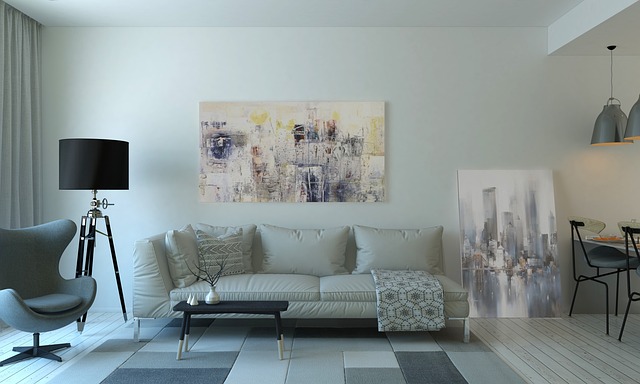
Understanding the Synergy Between Space and Fabric
Textile art interacts with architectural elements, lighting, and spatial flow. The textures, patterns, and colors of textiles can balance or emphasize structural features. Professional designers use textiles to create visual continuity throughout interiors. In practice, this means a woven wall hanging might soften the geometry of a concrete wall or a silk drape might echo the vertical rhythm of tall windows.
The Role of Materiality in Design Composition
Material choice defines mood. Natural fibers like linen or wool provide tactile warmth and depth that synthetic materials often mimic but rarely match. Synthetic fabrics add sheen or durability where needed—such as in high-traffic zones or modern minimalist spaces. Layering these materials builds dimensionality; for instance, pairing a coarse jute rug with smooth velvet cushions adds both physical texture and visual contrast.
Principles of Styling Textile Art in Interior Spaces
Styling textile art requires technical sensitivity to scale, proportion, and color behavior under different lighting conditions. Each decision contributes to the balance between artistic expression and livable functionality.
Balancing Scale and Proportion
Large textile pieces anchor a room or define focal zones. A floor-to-ceiling tapestry can visually expand height while grounding furniture arrangements beneath it. Smaller works complement architectural details like alcoves or stair landings without overwhelming them. Designers adjust proportions carefully so that fabric art supports rather than competes with furnishings.
Color Theory and Emotional Resonance in Textile Displays
Color drives emotion within interior design. Complementary hues reinforce mood—cool blues calm bedrooms while warm ochres energize dining areas. Neutral backdrops allow intricate weaves or embroidery to stand out without visual clutter. Gradual shifts in color tones guide movement through open-plan layouts by subtly signaling transitions from one area to another.
Placement Strategies for Textile Art Integration
Placement determines whether textile art feels intentional or incidental. Designers read each room’s architecture before positioning fabrics to enhance rhythm and balance.
Wall-Mounted Textiles as Structural Statements
Tapestries serve as both artwork and acoustic treatment by absorbing sound reflections in large rooms. Vertical orientation emphasizes ceiling height and gives rhythm to blank walls. Proper mounting systems maintain tension without stretching fibers over time—museum-grade brackets or hidden frames are common solutions among professionals.
Soft Furnishings as Functional Art Forms
Cushions, throws, and upholstered surfaces carry motifs from wall hangings into everyday touchpoints. This repetition ties rooms together visually even when furniture styles differ slightly between spaces. Functional textiles like curtains or bedcovers become part of the aesthetic narrative when their patterns echo those found elsewhere in the home interior decor plan.
Lighting Techniques That Enhance Textile Art Presentation
Light reveals texture more effectively than any other element in design composition. Both artificial and natural sources influence how fabric appears throughout the day.
The Interplay Between Light and Texture
Directional lighting highlights weave density or raised embroidery by casting subtle shadows that accentuate relief effects. Diffused illumination softens those contrasts for delicate fabrics such as silk or fine cotton lace. Adjusting color temperature—from warm white to cool daylight—changes perceived texture warmth; cooler light flattens fibers slightly while warmer tones enrich them.
Integrating Natural Light Considerations in Design Planning
Sunlight affects pigment longevity; direct UV exposure fades dyes faster than ambient reflection does. Designers often specify UV-filtering window films or layered sheers to regulate brightness without dulling vibrancy. Strategic placement—keeping fragile tapestries away from south-facing walls—maintains consistent appearance across seasons.
Curating a Cohesive Visual Story Through Textiles
A coherent narrative emerges when textiles across rooms share underlying rhythm yet retain individuality through pattern variation or cultural reference.
Layering Patterns for Depth and Movement
Combining geometric prints with organic motifs introduces visual movement that prevents monotony. Variation in scale keeps energy alive: small repeats on cushions complement large abstract rugs beneath them. Repetition of certain colors or line directions unifies disparate elements while preserving creative diversity across multiple zones.
Cultural Narratives Embedded in Textile Selections
Regional craftsmanship brings authenticity into contemporary interiors—handwoven kilims from Anatolia or indigo-dyed Japanese noren curtains each carry stories rooted in tradition. Historical weaving techniques adapted into modern palettes bridge past craftsmanship with present aesthetics while supporting sustainable artisan economies that value slow production over mass output.
Advanced Techniques for Professional-Level Styling Outcomes
Master-level styling goes beyond selection; it involves collaboration with artists, technical conservation knowledge, and long-term planning for preservation.
Custom Commissioning for Tailored Integration
Commissioned works allow alignment between artist intent and spatial concept from the start. Designers provide architectural drawings so textile artists can tailor dimensions precisely to wall recesses or ceiling heights. Bespoke pieces also respond to thematic cues—like translating local flora into embroidered motifs for site-specific relevance within luxury residential projects.
Preservation and Maintenance Considerations for Longevity
Proper framing shields delicate fibers from dust while maintaining airflow through reversible mounts recommended by conservation standards such as ISO 18902 for archival materials handling (ISO). Controlled humidity levels around 50% prevent shrinkage or fiber brittleness over years of display use. Rotating fragile items seasonally reduces strain on hanging points while refreshing visual interest periodically within lived-in interiors.
FAQ
Q1: How can textile art improve acoustic comfort?
A: Dense weaves absorb mid- to high-frequency sounds better than bare walls do, reducing echo especially in open-plan living areas.
Q2: What’s the best way to protect fabric colors from fading?
A: Avoid direct sunlight exposure by using UV-filtering glass or layered curtains; regular rotation also distributes wear evenly.
Q3: Are synthetic textiles suitable for luxury interiors?
A: Yes, modern synthetics mimic natural fiber textures while offering durability ideal for hospitality-grade upholstery applications.
Q4: How do designers decide where to place large tapestries?
A: They analyze sightlines first—placing major pieces opposite primary entry points ensures immediate visual focus upon entering a room.
Q5: Can mixing too many patterns make interiors chaotic?
A: Excessive variation can overwhelm; limiting palette range while varying scale maintains coherence without losing vibrancy across connected spaces.