
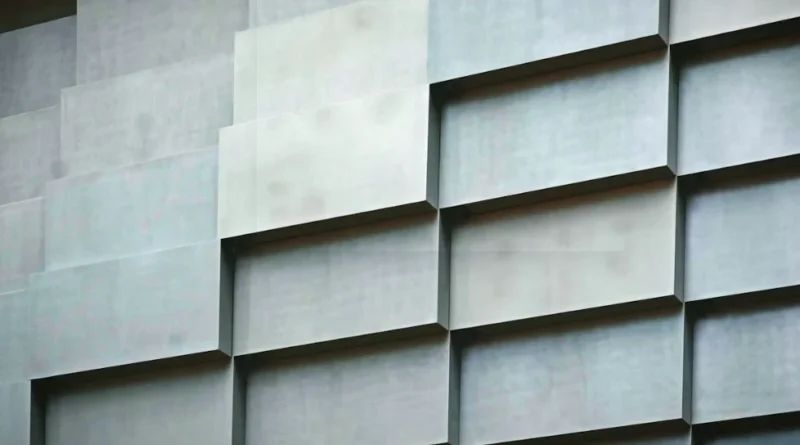
Is Fibre Cement Facade the Key to Achieving Carbon-Negative Architecture by 2026
The 2026 Architect’s Guide to Carbon-Negative Fiber Cement
The coming trend in green building goes beyond just cutting down on emissions. It aims to turn things around by pulling them back. When you sketch out your projects for 2026 and later years, the fibre cement facade catches the eye as a key material. This stuff has moved from hopes of being carbon-neutral to actually going carbon-negative. That change is not only about meeting eco-friendly rules. It is about changing how building materials work with the air over their full life.
In the parts below, we look at how carbon-negative fiber cement is changing the way architects think and design. We cover its makeup, its full life cycle, and its place in buildings that aim for net-zero impact.
What Makes Carbon-Negative Fiber Cement Different?
Regular fiber cement mixes cement, cellulose fibers, sand, and water to make a tough covering or panel. People like it for standing up to weather, keeping its shape, and fitting into many facade styles. But the usual recipes still use Portland cement. That is a big source of CO₂ releases.
The carbon-negative kinds swap out or tweak that main binder. They bring in mineral carbonation or extra stuff that takes in more CO₂ while hardening than they let out when made. For designers, this means picking a fibre cement facade that lasts for many years. Plus, it helps cut down carbon in the air on purpose.
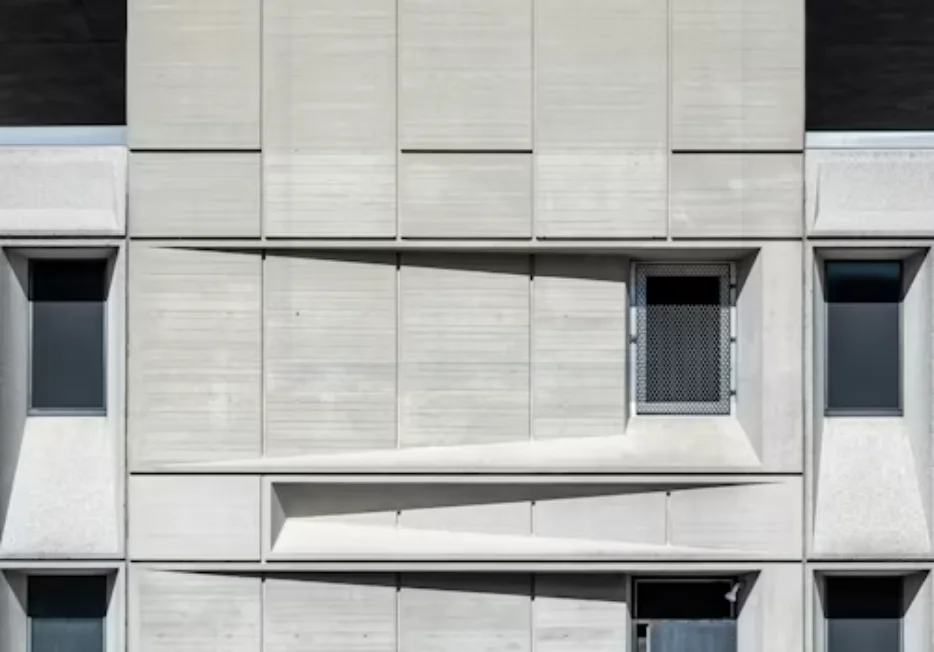
Material Composition and Chemistry
The big change happens in how they remake the binder part. Makers do not stick only to cements made from clinker. They add in calcium silicate hydrates from waste like slag or fly ash from factories. These mix with CO₂ as the material sets to make strong carbonates. Those get trapped right in the structure.
This turning-to-stone process can pull away 0.3–0.5 tons of CO₂ for every ton of the product. And those figures might get better as factories grow and ways to harden it improve. You end up with a solid panel that has few open spots. It has about the same strength as before. But it carries much less carbon from the start. I recall a project in Sweden where they tested this early on, and the panels held up well against rain without cracking.
Lifecycle Performance
A carbon-negative fibre cement facade keeps grabbing small bits of CO₂ even after it goes up on a building. This happens through changes on its surface. Over 50 years of use, that slow pull-in can cancel out all the CO₂ from moving the material around. If the factory runs on clean power from the sun or wind, the whole path from making to end-of-life can go under zero. Think about a mid-rise office in Vancouver—such panels there have shown they stay strong while quietly helping the planet.
How Can Architects Integrate Carbon-Negative Facades Into Design?
Bringing in fresh materials means weighing looks, how well they work, and real costs. For fibre cement façades heading to carbon negativity, fitting them in calls for smart planning and fresh ideas.
Design Flexibility
Fiber cement panels stay very flexible. You can get them smooth or rough, colored with oxides or paints, and set up in air-flow systems for walls. The new eco-friendly types keep those options. They also handle water better because their inner makeup has less harshness.
Designers might choose them for outer layers that block rain on top-notch walls. Or they could pair them with wood frames for mixed setups that cut down on energy used from the get-go. In one case I heard about in Australia, architects mixed these with local timber, and the building looked modern while saving on carbon right away.
Detailing for Durability
For all its green perks, getting the small parts right matters a lot. Air spaces behind the panels stop water from building up. This keeps heat from escaping. Screws and clips need to allow a bit of shift from damp air without messing up the lines.
In cooler spots like northern Europe or along North America’s shores, using edges sealed at the factory and coatings that resist sun fade can make them last over 60 years. That matches goals for materials that loop back in a circular economy. It is practical, too—imagine a seaside school where these hold steady against salty winds for decades.
Why Is Carbon-Negative Fiber Cement Important for Net-Zero Goals?
Building work makes up about 39% of the world’s CO₂ output. This counts both day-to-day use and the carbon baked into materials. Better walls and air systems have cut running costs. But the carbon in stuff like concrete and steel stays high and tough to drop.
Carbon-negative fiber cement fixes that gap head-on. It makes outer walls, which used to just sit there, into spots that soak up carbon.
Contribution to Building Certifications
Choosing these walls helps with green labels like LEED v5 or BREEAM 2026 changes. Those focus on carbon over the whole life of a building. In checks of full life cycles, or LCAs, moving to carbon-negative from regular can slash emissions from the walls by up to 80%. It depends on local power sources.
For those chasing zero running carbon plus less built-in carbon, these panels give real points in areas about materials and resources. And you do not need big shifts in your plans. From what I have seen in reports, a hospital project in the UK gained extra credits this way without extra hassle.
Market Readiness
A few makers are testing full production in Europe and parts of Asia-Pacific. This is before 2026 rules that require showing embodied carbon for public jobs. First users say the extra cost is small, usually 5–8% more than old fiber cement. That gets balanced by gains in how companies look for green reports. It is exciting to think how this could spread to smaller firms soon.
What Challenges Still Remain?
Even good new ideas hit roadblocks before they become common in plans.
Supply Chain Limitations
Getting the raw stuff for new binders is not even everywhere. Some need to be close to waste from steel or plant ash. So, planning how to move things must watch distances. This keeps the carbon math in the negative. In places like inland China, they are working on local sources to fix this, based on recent trade talks.
Verification Standards
Rules for testing trail behind the quick changes. ISO groups are writing ways to measure how much carbon turns to mineral in building items. But groups that check vary by area. Designers should ask for Environmental Product Declarations, or EPDs, checked by outside experts. Do not just take the maker’s word. It is a bit messy now, but it will smooth out.
Aesthetic Consistency
First runs had small differences in color from new hardening steps. That worried folks when even tones matter for big projects. But better ways to add colors have fixed most of that since 2024 test lines grew. Still, on a cloudy day, you might notice a tiny shade shift, though it adds character sometimes.
What’s Next for Fiber Cement Innovation?
Looking to 2026 through 2030, things head past just negative carbon to systems where waste goes straight back into building supplies.
New studies look at fibers from plants like hemp or bamboo mixed into the mineral base. This skips fake plastic adds. It boosts pull strength against weight by up to 15%. Imagine a tower in Singapore using bamboo boosts— it could feel more natural and strong.
Tech for making also grows. Machines that shape by robot let you make custom panel shapes. This cuts waste scraps when putting up. They add tiny rough spots that help air move for cooling without power.
For designers building green lists by the middle of the decade, keeping up turns picking materials from a chore into a chance to create. It shapes stories of city green living around the globe. And honestly, with all the weather oddities lately, these steps feel urgent.
FAQ
Q1: What defines a carbon-negative fibre cement facade?
A: It’s a façade material that absorbs more CO₂ during production and use than it emits over its entire lifecycle through mineral carbonation processes replacing traditional Portland cement chemistry.
Q2: How does it differ structurally from standard fibre cement?
A: Structurally it performs similarly but uses alternative binders that create denser matrices with lower alkalinity and slightly enhanced fire resistance profiles due to modified hydration phases.
Q3: Can it be used in humid or coastal environments?
A: Yes; proper detailing such as ventilated cavities and sealed edges prevents moisture ingress while maintaining dimensional stability even under salt exposure conditions typical of coastal zones.
Q4: Are there any certification pathways available today?
A: Several third-party EPD programs already assess cradle-to-grave impacts; upcoming ISO standards will formalize measurement protocols specific to mineralized composites by late 2025.
Q5: What cost implications should be expected?
A: Initial procurement may carry a small premium compared with conventional panels—around five percent—but lifecycle savings through durability and sustainability credits often outweigh upfront differences over project timelines exceeding thirty years.