
The Rise of Industrial Style in Modern Architecture
Modern architecture always shows the mood of its era. Few trends catch today’s feelings as well as industrial style. You spot it in old warehouses changed into cozy lofts. You see exposed steel beams in tall office buildings. Concrete walls stay rough on purpose. This rise in industrial style goes beyond looks. It marks a big change in culture. It comes from practical needs, green living, and real honesty.
How Did Industrial Style Emerge in Modern Architecture?
Industrial style started from real needs. In the early 1900s, factories and warehouses used simple materials. They picked steel, brick, and concrete. These focused on speed and work over fancy touches. Later, when these places sat empty, builders saw chances. They did not see ruin. The reuse trend in the 1960s and 1970s changed old industrial spots into homes and work areas. This shift changed everything. What served only for work turned into something stylish.
Historical Influences on Industrial Design
The start of industrial building links to the Industrial Revolution. Places like London’s Crystal Palace from 1851 stand out. Chicago’s Home Insurance Building in 1885 does too. They used iron and steel frames first. These ideas opened new ways to build. They led to tall skyscrapers. They also brought big open rooms. Those features stay key in today’s architecture. For instance, think of how early steel frames in Chicago helped create the skyline we know now, with over 1,300 skyscrapers there today.
Post-War Urban Transformation
After World War II ended, cities in Europe and North America lost factories. Jobs moved away. Empty buildings gave huge rooms for cheap. Artists and creators moved in. They liked the wide spaces and true feel. This led to loft life in spots like New York. People began to like bare walls and rough looks. These became signs of real art work. In fact, SoHo in New York turned from factories to artist homes in the 1970s, drawing crowds and boosting local art sales by millions each year.
Influence on Contemporary Practice
Builders today take old industrial parts and mix them with new tools. They use smooth concrete floors next to clear glass walls. They pair old wood from reuse with shiny metal parts. This mix joins past skills with simple now styles. It works well in busy city projects. Sometimes, you might notice a small quirk, like a beam that doesn’t quite match the rest, but that adds to the charm.
Why Has Industrial Aesthetic Become So Popular?
People like it for its straight talk. Industrial looks show what others hide. Think pipes, air ducts, bolts, and joins. For those in building and room design, this open way fits green goals and true use of stuff. It feels real, not fake.
Authenticity and Material Honesty
Choices like concrete, steel, and glass mean more than just building. They show a deep belief in being real. These stay plain. When you step into a place with industrial style, you feel its bones. You do not see a cover over it. It’s like walking through a story told by the walls themselves.
Sustainability Through Reuse
Changing old factories into homes or shops sits at the core of this green side. It cuts down on trash from tearing things down. It keeps old stories alive. Plus, it fits new power-saving rules. In one project in Manchester, UK, a 19th-century mill became apartments, saving about 500 tons of waste and cutting energy use by 30 percent.
Emotional Connection to Space
There is a mind side too. These open spots bring a sense of free air. Tall roofs and big windows make rooms feel solid yet wide. Many folks today want that mix. It grounds you while letting your thoughts roam. I recall visiting a loft in Brooklyn; the space just made everyday tasks feel lighter, almost playful.
What Are the Key Elements That Define Industrial Style?
Industrial building has clear sights and builds that set it apart from other simple styles.
Exposed Structural Components
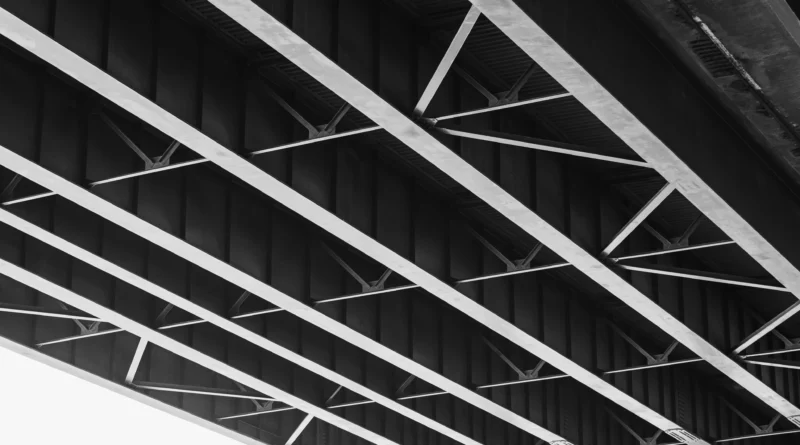
Beams, posts, and roof supports stay out in the open. They do not hide behind walls or pretty covers. The look comes right from how things are built. It turns strong work into art.
Raw Materials Palette
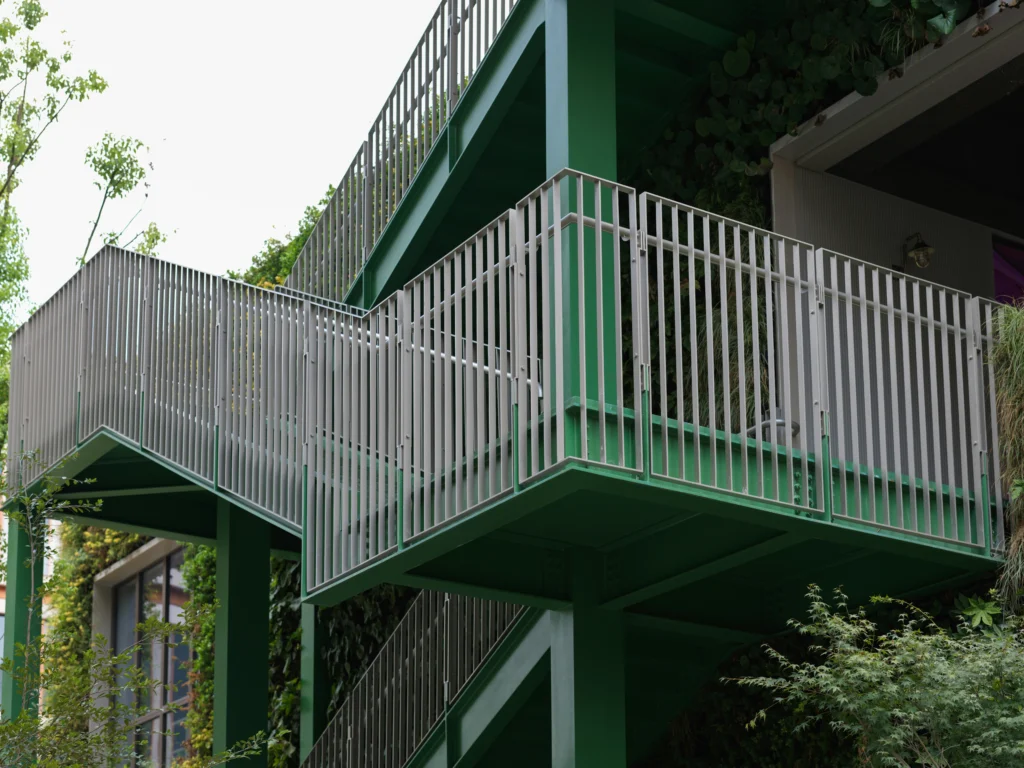
Brick stays as is, without paint. Metal keeps its worn shine. Concrete lets flaws show. This plain way adds feel and layers. It skips extra decorations. You can touch the history in every rough edge.
Open Floor Plans
Rooms blend from one use to the next. A living spot flows to the kitchen. Then it goes to a work area. This matches old factory setups. It also fits how people live now, with needs that change. In small homes, this setup can make 800 square feet feel twice as big.
How Does Technology Shape Modern Industrial Architecture?
New tools lift industrial work from quick fixes to sharp building plans. These fit fast-paced spots with top work.
Advanced Construction Techniques
Ready-made steel parts speed up building. They keep things exact. Computer drawings let builders test light in big rooms before starting. This saves time and cuts mistakes. For example, in a recent Toronto project, digital tools helped plan light for a 10,000-square-foot space, making it brighter without extra costs.
Smart Materials Integration
Fresh covers guard bare metals from rust. They keep the look the same. Clear ways to insulate save power. They do not mess with the plain style that makes industrial special. It’s a quiet upgrade that lasts.
Lighting Innovation
LED lights bring out feels in walls. They show brick lines or concrete spots. They add beat to the room without too much fuss. In dim evenings, these lights make the space come alive, like stars on a city night.
How Does Industrial Style Intersect With Sustainability Goals?
Green living matters a lot now. It guides every build choice. Industrial style fits right in with save-stuff ways and change-old-places ideas. It is not just talk; it works in real life.
Energy Efficiency Strategies
Big windows in these buildings let in lots of sun. This cuts the need for fake lights in day hours. It saves power and feels natural.
Reclaimed Material Usage
Old wood or reused metal cuts harm to the earth. It adds a story from the past. In Seattle, one builder used beams from a 1920s factory, which not only looked great but also lowered the carbon footprint by reusing 20 tons of material.
Longevity Over Ornamentation
Tough stuff like steel or strong concrete lasts way longer. It beats pretty things that need new coats often. This means less waste over time. Buildings from the 1800s still stand strong in places like Pittsburgh, proving the point.
What Role Does Culture Play in Shaping This Architectural Movement?
Building ties to how people live, money flows, and feelings in a time. It does not stand alone.
Urban Identity Renewal
Cities that shift from factory days, like Berlin or Detroit, use this look as a sign of bounce-back. It shows new life, not fall. These spots turn old pain into pride.
Artistic Expression Within Functionality
These rooms often work as art shows or show spots. Their plain base lets creators add their touch freely. It is a blank page that invites ideas.
Global Adaptations
Stories often focus on West starts. But big cities in Asia, like Tokyo, change industrial simple ways into tight city homes. They stress smart use over too much. In Tokyo, small lofts with exposed pipes fit into 500-square-foot apartments, making city life cozy yet efficient.
How Can You Incorporate Industrial Elements Into Modern Projects?
Those in the field who want to add this style need to mix true feel with easy use. It takes care and sharp eyes. Balance matters here.
Structural Transparency in Design Concepts
Show weight-holding parts only where they add to the look. Skip fake copies that hurt safe builds or flow. Keep it real to avoid odd fits.
Balance Between Comfort And Rawness
Mix hard stuff with soft lights or plant-based cloths. This keeps the place livable. It does not water down the main style words. A touch of rug can soften concrete without hiding it.
Integration With Contemporary Systems
Put out-in-view pipes with hidden smart home tools. This way, work joins looks smooth. It meets what folks expect for easy living now. In a recent office redo in London, they hid wires behind beams, keeping the raw vibe intact.
FAQ
Q1: What distinguishes industrial architecture from brutalism?
A: Both use plain stuff like concrete. But brutalism goes for big blocks and shape play. Industrial style picks work ease, change options, and seen builds in spots fit for people.
Q2: Is industrial design suitable for residential projects?
A: Yes. Lots of new homes use milder takes. They add saved wood floors or dull black parts with out beams. This brings warmth in simple setups. One family in Chicago turned their garage into a home office this way, loving the open feel.
Q3: How does lighting affect industrial interiors?
A: Good lights show feels, not hide them. Straight LED lines on beams or spots on brick work bring out layers. They keep things plain. It is like the light tells the room’s tale.
Q4: Are there regional variations in industrial style?
A: In Europe, they keep old touches like curved windows. America likes loft changes. Asia uses the same stuff for tight smart homes. Each place tweaks it to fit local life.
Q5: What challenges arise when renovating old factories?
A: Old parts may need strong fixes from wear. Adding warm layers or air systems without breaking the look takes plan from pros. In a Detroit project, teams spent months on this, but the end result drew tourists and new businesses.