
Key Features of Industrial Style: Raw Materials and Open Spaces
Industrial style grew from its basic, everyday beginnings into one of the biggest trends in today’s design world. It honors real materials, shows off building structures, and gives a feeling of wide-open areas that seem tough yet polished. You see it a lot in loft apartments, artist studios, and projects that turn old warehouses into cool homes. The next parts look at the main ideas behind this design trend.
What Defines the Core Aesthetic of Industrial Style?
The industrial style stands out with its rough, unfinished look that shows the building’s main parts instead of hiding them. This style started in changed factories and warehouses in places like New York and London back in the late 1900s. Artists took those old spots and made them into homes. It feels real and tied to the city’s past.
Exposed Structural Elements
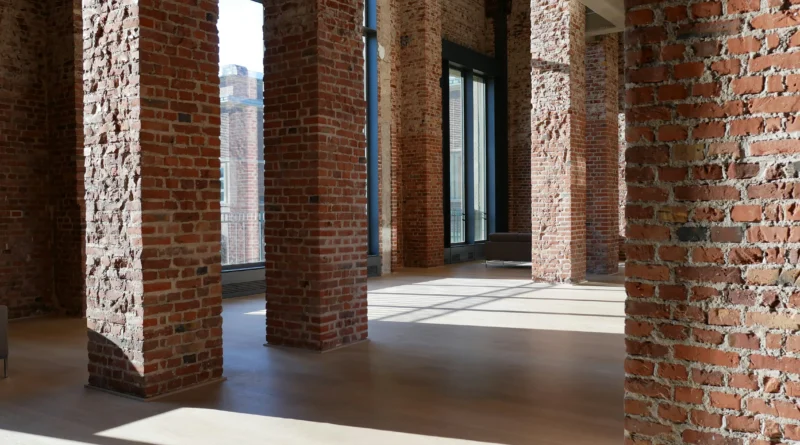
Beams, pipes, ducts, and brick walls stay out in the open. They do not get covered by plaster or drywall. This way highlights true quality, which is key in industrial design. It shows the skill in building things. Steel columns next to concrete floors make a real visual feel. That mix looks solid and like real architecture. For example, in a typical loft, you might spot those beams running across the ceiling, reminding you of the building’s strong history.
Neutral Color Palette
The colors usually stick to grays, blacks, whites, and browns. These shades come from the materials like metal, wood, and stone. They tie big open areas together without making them too busy. Sometimes, people add soft blues or greens. This softens things up but keeps the simple feel. I once saw a room where a hint of blue on a wall made the whole space feel less stark, like adding a breath of fresh air.
Functional Simplicity
Industrial rooms put real use first, not fancy extras. Furniture is strong with straight lines. Picture old wood tables with iron legs or shelves from reused scaffolding. Each item has a job and skips extra frills. This keeps things practical for daily life. In busy urban homes, such pieces hold up well to everyday wear and tear.
Why Are Raw Materials So Important in Industrial Design?
Raw materials sit right at the center of industrial style. They add realness and feel to a room. This style does not hide flaws. Instead, it treats them as part of the room’s tale.
Reclaimed Wood
Old wood from barns or factories brings some coziness to spots full of cold metal and concrete. The uneven patterns in the grain and worn spots speak of years gone by and hard work. New stuff just cannot match that. Think about a coffee table made from such wood; it adds stories to your living room, maybe from a factory that ran for decades.
Metal Finishes
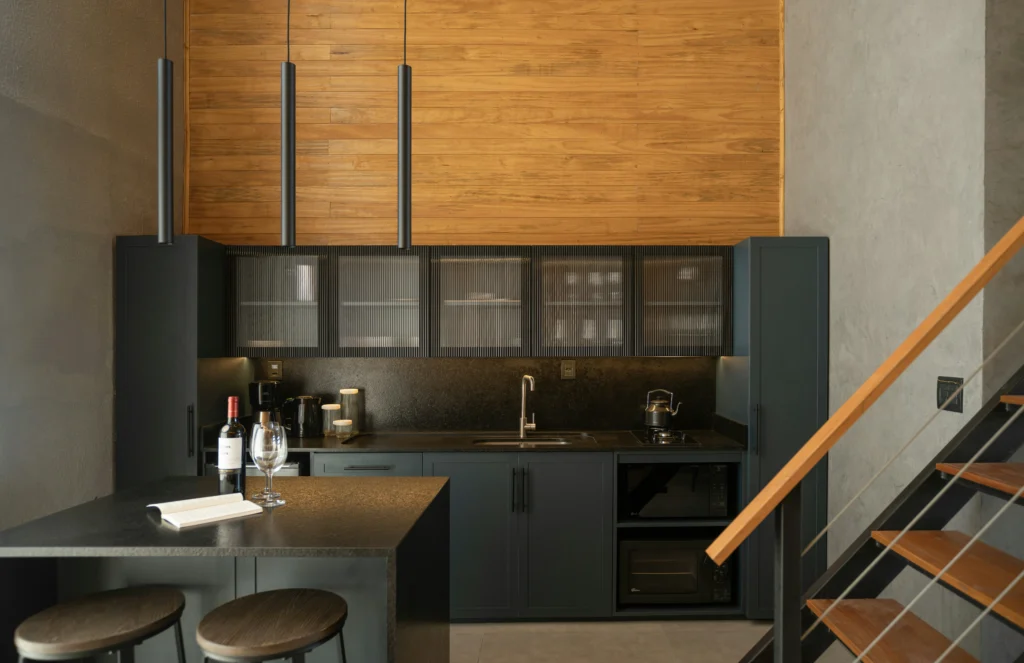
Steel, iron, copper, and aluminum show up often in chair frames, lights, or stair parts. As time passes, these metals get a natural layer called patina. That layer boosts their look instead of hurting it. Copper, for instance, turns a warm green over years, like in old pipes I’ve seen in renovated spots.
Concrete Surfaces
Concrete floors or tops last a long time. They add a tough edge to the style. When polished, concrete bounces light around big areas well. It mixes rough feel with a touch of class. In one project I recall, a concrete floor in a 1,500-square-foot loft made the space feel both durable and bright on sunny days.
How Does Open Space Shape Industrial Interiors?
Open plans form the base of industrial style. They keep the original big feel of factory buildings. Plus, they let modern homes change easily for different needs.
Loft-Style Living
Loft apartments show this idea best. They have tall ceilings, big windows, and few walls. This makes a free feeling you do not get in old-style houses. You can switch areas for eating, work, or rest without hard blocks. It’s like having one big room that flows from one use to another, perfect for families who multitask.
Natural Light Emphasis
Large windows from old factories let in lots of sun. This light plays on brick walls or metal parts. The mix of light and stuff adds layers to plain setups. On a clear afternoon, that glow can turn a simple corner into something special, highlighting every texture.
Spatial Flow
With few inside walls, moving around feels smooth. You use furniture to set zones, not walls. A group of sofas makes a sitting spot. Open shelves mark off a kitchen area. This setup works great in homes around 800 square feet, where every inch counts but flow keeps it airy.
What Role Does Lighting Play in Industrial Spaces?
Lighting does more than just light things up. It sets the mood and points out differences in materials that come with industrial rooms.
Pendant Fixtures
Big hanging lamps from steel or glass drop down over tables or counters. Their plain style brings back old factory lights. Now, they act as main eye-catchers. In a dinner setup for six, one such light can draw everyone in, making meals feel both casual and chic.
Track Lighting Systems
Track lights let you change where light goes on wide ceilings in old warehouses. They spotlight art or building parts without messing up views. You can adjust them for different times of day, like brighter for work hours or dimmer for evenings.
Ambient Glow Through Edison Bulbs
Old-style Edison bulbs give off a soft yellow light. This warms up hard spots like concrete or metal. It keeps the industrial feel, like in early power shops. I’ve noticed how one bulb over a reading nook can make a cold evening cozy without much effort.
How Can You Integrate Comfort Into an Industrial Setting?
Even with its tough start, industrial design can seem welcoming. You just need to mix in softer bits and personal items with care. Sometimes, it takes trial and error to get the balance right, but that’s part of the fun in decorating.
Textural Contrast
Bring in fabrics like wool rugs or cotton pillows next to metal chairs. This adds touchable softness without losing the real style. A thick rug underfoot in a bare concrete space can change how the whole room feels, especially on chilly mornings.
Greenery Inclusion
Plants add life to plain settings. Vines growing on brick walls make a natural break against straight lines. Potted ferns or small trees in corners soften edges, bringing a bit of outdoors in, which is handy in city apartments far from parks.
Layered Warmth With Lighting And Color Accents
Place lamps in smart spots. Add small color pops, like yellow pillows or clay pots. These bring character but stay in neutral lines. Layering a few warm lights can turn a stark area into a snug spot for about 20 bucks in bulbs, based on what I’ve seen in budget makeovers.
What Are Modern Adaptations of Industrial Style Today?
Today’s designers take industrial looks and mix in new tech and green ideas into its basic setup. They adapt it for our fast-changing world, sometimes blending in unexpected twists like colorful art pieces that nod to local culture.
Sustainable Material Use
New work often picks recycled steel or green concrete options. This cuts harm to the earth. It keeps the look strong. For instance, using wood from sustainable forests in a 2,000-square-foot office keeps costs down by 15 percent while looking authentic.
Smart Integration In Old Structures
Projects that reuse old buildings add smart home tech without messing up the history. They hide wires in beams. This holds both use and shape. In one London conversion, hidden speakers in ducts made the space modern yet true to its roots.
Hybrid Aesthetics With Other Styles
Designers now blend industrial parts with simple Nordic looks or 1950s chairs. This adds warmth and steadiness. It makes mixed rooms that fit city life. Picture a steel frame bed with soft wool blankets; it feels fresh and lived-in, ideal for young professionals.
FAQ
Q1: What distinguishes industrial style from rustic design?
A: Rustic rooms aim for natural coziness with wood and soil colors. Industrial focuses on shown structures and city stuff like steel or brick. The difference shows in how one feels like a cabin and the other like a workshop.
Q2: Is industrial style suitable for small apartments?
A: Yes. Pick light shades, shiny tops like polished concrete, and items that do many jobs. This keeps things open in tight spots. Even in a 400-square-foot place, mirrors and slim shelves can make it breathe.
Q3: How can you make an industrial space feel less cold?
A: Put in fabrics like rugs or drapes. Add plants for gentle touches. Use lights with warm tones to fight back against metal shines. These steps turn a chilly vibe into something homey over time.
Q4: Which metals work best for industrial decor?
A: Iron and steel lead because they last. But copper touches bring warmth without dropping the real feel. In accents like lamp bases, copper adds a subtle glow that pairs well with daily use.
Q5: Are there sustainable ways to achieve an industrial look?
A: Yes. Old wood floors, reused metal lights, and lights that save power do the trick. They match the style’s heart while helping the planet. Many pros now swear by these for eco-friendly builds that don’t skimp on style.