

What Makes A Successful Building Facade Design
A building façade does more than show the front of a structure. It mixes careful engineering, creative ideas, and good environmental work. In today’s architecture, façade design affects how folks see buildings. It also changes how those buildings fit with the world around them. For people in architecture and building work, it’s not just about looks. It’s about making façades work well for many years. The next parts look at what really makes a strong building facade design. They cover the mix of beauty and use, plus the tech and green sides. Sometimes, I think back to old buildings in my hometown, and their simple fronts still stand out after all these years. That kind of lasting charm is what we aim for now.
How Does Aesthetic Appeal Influence Building Facade Design?
The way a building façade looks sets how people feel about it right away. It helps build the building’s identity. It shapes how brands come across. It even stirs emotions. Architects try to match sizes, textures, colors, and patterns. They do this to blend shape with purpose. In real life, think of a busy city street. A plain glass front might feel cold, but add some warm brick accents, and it welcomes folks in.
Visual Harmony And Proportion
Getting sizes right is key to façades that seem even. When you stroll by an office building or a community hall, your eyes look for shapes that fit. They hunt for window gaps, shadow edges, or tall splits that match people’s height. These small touches decide if the building seems friendly or too big. For example, in a school, windows at eye level make kids feel at home. That’s not just pretty; it helps learning too.
Material Texture And Color Expression
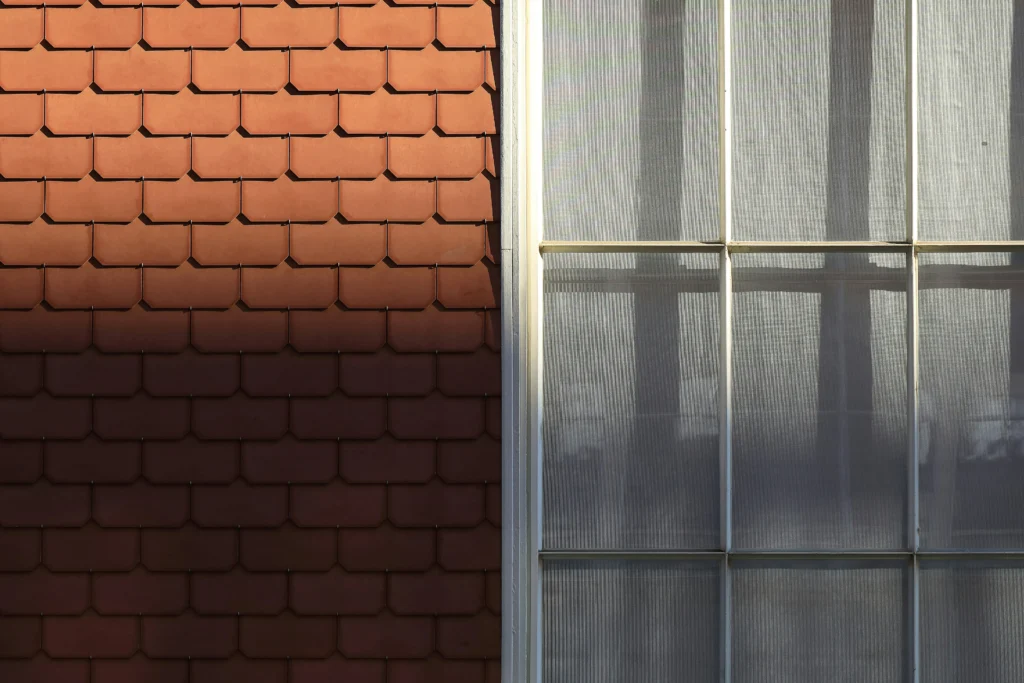
Choosing materials means more than strength. It’s about giving personality. A smooth aluminum finish brings a clean, new feel. Terracotta tiles add a cozy, old-time vibe. Glass changes a lot with its shade and shine. The best mix tells what the building is for. Clear glass shows openness in public spots. Solid walls give quiet in homes. I’ve seen a hotel in the mountains use wood tones to match the trees outside. It made the place feel like part of nature.
Cultural And Contextual Integration
Façades need to honor their spot. A gallery in a former factory area might use old bricks again. This nods to the past. A beach hotel could pick rough stones to match the shore. Such care makes the design fit in. It stops the building from looking out of place. Instead, it joins the scene. In places like Europe, old towns keep this by mixing new glass with stone walls. It keeps history alive without losing the now.
What Functional Roles Do Facades Play Beyond Appearance?
Looks grab eyes, but real work makes façades last. A smart design shields inside spaces from bad weather. It handles light and air flow. It also helps the whole structure run smooth. Beyond that, in hot summers, a good façade keeps cool air in without big AC bills. That’s practical sense.
Thermal And Acoustic Performance
Façades that save energy control heat coming in or out. They use padding layers or double walls. In loud city spots, sound control matters just as much. Glass setups with layered sheets can cut outside noise by up to 40 decibels. That’s from a 2022 report by the Building Research Establishment. Picture living near a highway. Quiet windows make a huge difference in daily peace.
Weather Resistance And Durability
A façade has to face years of rain, wind, sun rays, and dirt. So, folks pick tough stuff like pressed laminates or concrete with fibers. These fight cracks or color loss over time. Designers plan check-ups early to make the life longer. In rainy spots like Seattle, this means picking rust-proof metals. It saves money on fixes down the road.
Structural Integration And Flexibility
In high-rises, façades do more than cover. They link with weight-holding parts. Wall setups must handle shifts from wind or heat changes. They keep everything safe. Swap-out parts let you fix broken bits without bothering people inside. For a 50-story tower, this flex avoids big headaches during storms.
Why Is Sustainability Central To Modern Facade Design?
Being green isn’t just popular anymore. It’s a must. Cities push for no-carbon goals by 2050, per a 2023 UN Environment Programme report. Façades help cut energy use in daily runs. Plus, with climate shifts, these designs fight floods or heat waves better. It’s about building for tomorrow’s weather too.
Energy Efficiency Through Smart Systems
Façades that change with the weather use sensors. They move shade parts based on sun strength or room heat. Such setups can lower cooling needs by up to 30%. The American Society of Heating, Refrigerating and Air-Conditioning Engineers says so. Adding solar cells to glass turns fronts into energy makers. In sunny California offices, this powers lights without extra wires.
Use Of Recyclable And Low-Impact Materials
Pick stuff with low carbon from making it, like reused aluminum or plant-based mixes. This cuts harm from start to end. Tools check full life effects early on. Recycled glass panels, for one, look sharp and help the planet. I’ve noticed more projects skipping new metals to reuse old ones. It feels right for the earth.
Water And Air Management Strategies
Façade pipes catch rain for watering plants below. Breathable sheets let air pass but stop water. This keeps inside comfy without machines. In dry areas, this saves water bills. It’s a simple win for green living.
How Does Technology Shape Contemporary Facade Innovation?
Tech has changed façade planning and making big time. Computer tools now test how things work before building real ones. This cuts mistakes. Remember when sketches were on paper? Now, screens make it faster and smarter.
Parametric Design And Computational Modeling
Special software makes many design ideas from weather info like sun tracks or wind moves. It creates façades that fit shape and job best. No more guessing by eye alone. For a windy bridge building, this shapes curves to cut drag. It’s like nature’s own smart fix.
Advanced Fabrication Techniques
Machines like CNC and 3D printers build tricky shapes old ways couldn’t touch. Punched metal sheets get custom holes to manage light just right. They make art patterns you see from blocks away. A sports arena might use this for fan-shaped vents. It looks cool and works great.
Intelligent Control Systems
Building controls tie sensors in façades to watch heat differences or air clean levels live. Data tweaks make inside nice without people doing it. In smart homes, this means auto shades on sunny days. Comfort without the fuss.
What Role Do Regulations And Standards Play In Facade Design?
Rules keep new ideas safe and up to mark. Pros must follow them every time. Skipping this leads to trouble, like fines or rebuilds. It’s the backbone of good work.
Fire Safety Requirements
Events like the 2017 Grenfell Tower fire in London led to stricter rules on burnable covers. Now, many places require non-burn stuff like mineral wool cores for tall builds. This saves lives in worst cases. Fire tests now check smoke spread too, adding layers of care.
Energy Codes And Certifications
Green tags like LEED or BREEAM check façade work with numbers like U-values for heat pass and SHGC for sun heat. Hitting these not only meets law but boosts sale price. In Europe, new codes push for 20% better energy use. It’s a push toward better buildings.
Accessibility And Maintenance Standards
Systems to reach façades follow safety laws for workers up high. This includes hook spots and strength checks every five years, per ISO 22846 rules. Safe access means fewer accidents on the job. For a skyscraper, this planning keeps crews steady.
How Do Collaboration And Interdisciplinary Work Affect Facade Success?
Façade design needs teamwork from many fields. Architects, engineers, makers, and green experts all pitch in. No one group does it alone. Good talks early on spot issues fast.
Early Integration Of Specialists
Get façade pros in at the start. This avoids pricey changes when build limits show up. It also speeds up getting materials. In a team meeting, a quick sketch share can save weeks. That’s real-world efficiency.
Communication Between Digital Platforms
Shared BIM setups keep everyone on the same page. They hold one true set of info for all. This cuts mix-ups between design dreams and build facts. For big projects, this means fewer on-site surprises.
Mock-Ups And Real-World Testing
Life-size tests check ideas under fake weather before big makes. They look at air leaks or sun glare bends. In a desert test yard, this spots dust issues early. It’s like a dress rehearsal for the building.
How Does User Experience Influence The Success Of Façade Design?
Façades are for people inside every day. How comfy they feel affects work output and joy. A bad front means stuffy rooms or bright glare. Good ones make life better. From my view, happy users mean happy owners.
Daylight Quality And Glare Control
Sunlight boosts mood, but too much blinds. Movable slats or dotted glass even it out. They let light in without harsh shine. In offices, this cuts eye strain on computers. Workers stay sharp longer.
Visual Connection With The Exterior Environment
People like seeing outside views, be it trees or streets. Clear but warm glass does this with low-shine coats. It links inside to out without heat loss. A city apartment with park views lifts spirits on gray days.
Indoor Climate Stability
Steady room temps rely on full façade padding at joins like window edges. Tiny holes make cold spots that lead to wet buildup. Fix details early to dodge this. In winter homes, this keeps bills low and toes warm.
FAQ
Q1: What Is The Primary Purpose Of Building Facade Design?
A: Its main purpose is to combine aesthetics with performance by protecting interiors from environmental factors while expressing architectural identity clearly through materials and proportions. Sometimes, folks forget how much a front sets the mood for the whole place.
Q2: Which Materials Are Most Commonly Used In Modern Façades?
A: Common materials include glass curtain walls, aluminum composite panels, terracotta cladding, fiber cement boards, and natural stone depending on project context and budget considerations. Each picks based on the site’s needs, like wind in open fields.
Q3: How Can Façade Design Improve Energy Efficiency?
A: By integrating shading devices, high-performance glazing systems, insulation layers, or photovoltaic elements that reduce heating and cooling demands throughout building life cycles. Real savings show in lower power use over years, maybe 25% less in hot spots.
Q4: Why Are Mock-Ups Important Before Construction?
A: They allow designers to test real-world behavior such as water tightness or thermal bridging issues under controlled conditions before full-scale implementation begins onsite. Plus, seeing it built small catches odd looks you miss on screen.
Q5: What Trends Are Emerging In Future Façade Technologies?
A: Expect increased use of adaptive skins that respond dynamically to climate data inputs along with expanded applications of recycled materials aligned with circular economy principles across global projects. Bio-materials from plants might pop up more, blending green with tough. It’s exciting to watch this grow.