
What Is Green Roof Architecture And Why Use It
Green roof architecture goes beyond just a passing fad. It serves as a smart fix that blends building skills, nature studies, and city planning. Cities deal with rising warmth and scarce open areas these days. So, builders and planners choose green roofs to make eco-friendly structures that add fresh air to busy spots. This piece looks at the basics, perks, and uses of green roof architecture from an expert viewpoint. Interestingly, I’ve seen how these setups turn dull rooftops into lively spots in real projects.
What Makes Green Roof Architecture Unique?
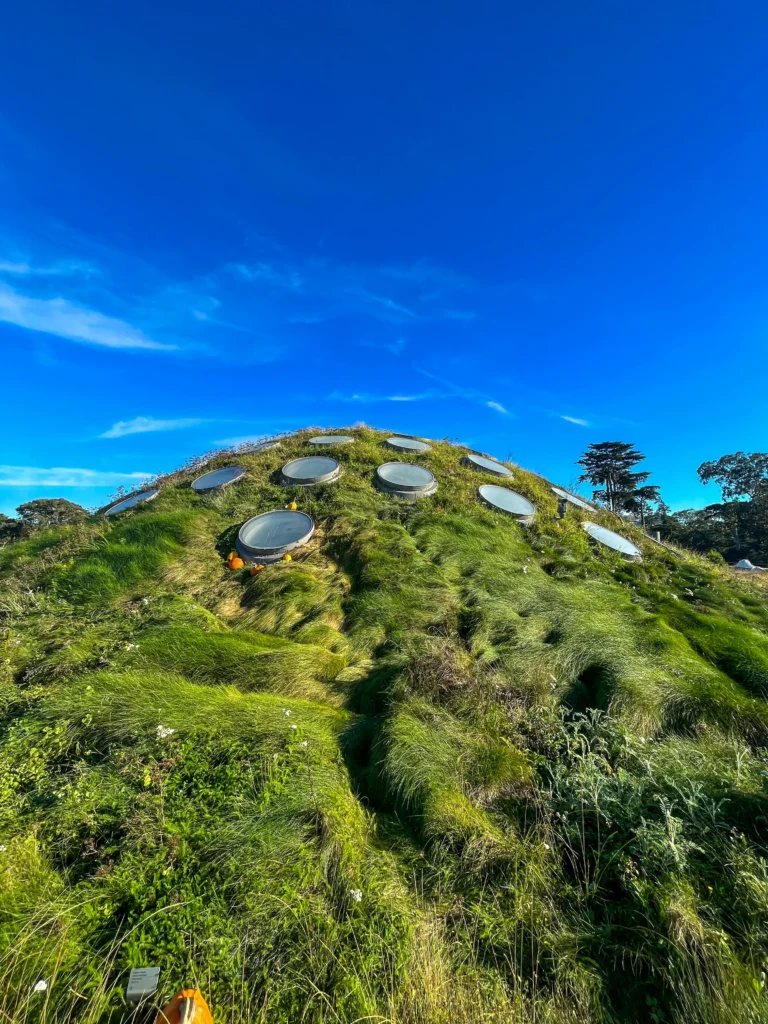
Green roof architecture adds plant layers right on top of building roofs. This method mixes waterproof setups, root guards, water flow layers, dirt bases, and greenery to build a working habitat over the main frame. Picture it like a planned outdoor area that handles both looks and jobs. In my view, it’s like giving a building its own mini-park up high.
Structural Composition of Green Roofs
A common green roof has a few main parts. First, there’s a waterproof sheet to guard the building. Next comes a root block to stop harm. Then, drainage setups handle water movement. Finally, a soil layer holds the plants. The greenery—from tough sedums to local grasses—gets picked by weather and care needs. For example, in a rainy city like Seattle, folks often go for plants that handle extra water well.
Integration With Building Systems
Green roofs do not stand alone. They link up with heating and cooling units, warmth barriers, and rain control plans. When done right, this setup cuts down on power use. It does so by keeping temperatures steady all year. Take a hot summer day; the plants shade things naturally, easing the load on air conditioners.
Design Variations Across Regions
In chilly places like Scandinavia, green roofs pick strong mosses or mountain plants for easy care. On the other hand, sunny spots in the Mediterranean go for plants that take dry spells, like succulents. Local plants matter a lot in choosing types and soil thickness. In one project in Spain, they used local wildflowers that bloomed year-round without much fuss.
How Does Green Roof Architecture Improve Environmental Performance?
Green roofs bring clear gains for the surroundings. These go past single buildings. They help city health with better air, rain handling, and less city heat buildup. Plus, they make urban spots feel less concrete-heavy.
Reduction of Urban Heat Islands
Green roofs swap out plain roof stuff for plants. So, they take in less sun heat by day. At night, they let it out slowly. Research from the U.S. Environmental Protection Agency shows that plant-covered roofs can drop nearby air warmth by as much as 5°C in packed city zones (EPA Report 2023). Imagine walking in a hot downtown; these roofs make it a bit cooler right away.
Stormwater Retention Capability
A good green roof holds back 50% to 80% of yearly rain. This depends on its depth and plant kinds (National Research Council Canada, 2022). As a result, it eases the strain on city drain lines during big storms. In places like Chicago, where floods hit hard, this feature has saved cities from extra repair costs after heavy rains.
Air Quality Enhancement
Roof plants clean out bad air bits like nitrogen dioxide and dust. They do this while making oxygen via sunlight processes. Over years, it leads to fresher city air. Birds and bugs up there add to the lively feel too.
Why Is Green Roof Architecture Economically Viable?
Putting in a green roof looks pricey at the start when you compare it to regular roof covers. But, savings over time usually beat the upfront spend. It’s like investing in a durable tool that pays back.
Energy Efficiency Savings
Buildings with simple green roofs see up to 30% less need for cooling power in warm seasons (University of Toronto Building Research Study, 2021). The extra dirt and plants act as a steady warmth shield. This keeps inside temps even through cold winters and hot summers. One office building I read about cut its bills by a noticeable chunk after adding one.
Extended Roof Lifespan
Soil and plants cover protect the base roof from sun rays and wild temp swings. This makes the main roof last two or three times longer than flat ones without cover. Repairs happen less often, which keeps costs down in the long run.
Increased Property Value
Eco features like green roofs boost appeal for shops, offices, and home buyers. CBRE’s 2022 sustainability report notes that spots with approved eco-roof setups get rent hikes of about 8% on average. Tenants love the green view, and it sells faster in green-minded markets.
What Are the Main Types of Green Roof Systems?
Builders sort green roofs into three main kinds: extensive, semi-intensive, and intensive setups. Each fits different needs based on weight limits and care levels. Picking the right one depends on the building’s strength.
Extensive Green Roofs
These light setups use thin dirt layers under 15 cm. They grow strong plants like sedum or thyme. Little watering or work is needed. So, they’re great for updating old buildings. In fact, many schools add them without big changes.
Semi-Intensive Systems
Semi-intensive types mix easy plants with small bushes or lasting flowers. They offer a mix of nature help and nice sights. Weight stays in the middle range. This makes them a solid choice for mixed-use spots.
Intensive Green Roofs
Intensive ones look like real gardens or parks on roofs. They have deep dirt for trees or paths to walk on. Water systems are a must. But they give fun space for people to use. High-rises in New York often feature these for rooftop events.
How Does Green Roof Architecture Support Urban Biodiversity?
City growth breaks up wild homes. Yet, roof habitats give safe spots for plants and animals in town settings. It’s a small but key way to bring nature back.
Habitat Creation for Wildlife
Green roofs draw helpful bugs like bees and butterflies. They also offer spots for birds to nest. Some towns link several roof greens into paths for critters to travel. In London, this has boosted local bird numbers noticeably.
Native Plant Restoration
Choosing local plants keeps the area’s nature balance. It helps bugs that match those plants. Plus, these plants use less water or feed once set. This cuts care bills. A park project in California used only natives and saw less weed trouble.
Contribution to Ecological Networks
Planners can tie green roofs into bigger nature links. These connect parks, rivers, and yard gardens. It builds strength against weather shifts. Overall, it makes cities tougher in changing times.
What Are the Technical Challenges in Implementing Green Roofs?
Green roofs have strong points, but projects hit some tough spots. These need expert know-how in planning and building stages. Skipping them can lead to headaches later.
Load-Bearing Constraints
Build experts figure out the extra steady weight from wet dirt after rains. For old buildings, you often add supports first. In one case, a 50-year-old warehouse needed beam upgrades to handle it safely.
Waterproofing Reliability
If the waterproof sheet fails, leaks can cost a lot and hurt the frame. So, tests like electric leak checks are key before adding plants. Good checks catch issues early.
Maintenance Requirements
Some roofs need little work, but all call for regular checks on drains and plant health. Skip them, and you get thin plant cover or standing water. Simple weeding a few times a year keeps things smooth.
How Is Policy Influencing Adoption of Green Roof Architecture?
Governments push green building more now. They use rewards or rules to boost roof plant projects around the world. This helps speed up changes in how we build.
Regulatory Frameworks in Major Cities
Places like Toronto require green roofs on new big commercial builds over 2,000 m² (City of Toronto Regulation No. 583-2009). Berlin and Singapore have like rules to mix in more green. These laws make it standard practice.
Financial Incentives for Developers
Some European towns cover up to 50% of setup costs with aid (European Commission Report on Urban Sustainability 2021). This helps builders who worry about first costs. It tips the scale toward going green.
Role in Climate Adaptation Strategies
With warmer global temps, country plans add city green steps like roof plants. They fight floods and better local weather in crowded areas. It’s part of bigger efforts to adapt smartly.
FAQ
Q1: What is the average lifespan of a green roof system?
A: Well-kept systems often run 40 to 60 years. This varies by weather and build quality (Green Building Council Data 2023). Harsh winds might shorten it a tad in open spots.
Q2: Can any building support a green roof?
A: No, not every one does. Experts check weight hold first. Wet dirt adds real heft per area unit. Older frames might need tweaks.
Q3: Do green roofs attract pests or insects harmful to humans?
A: They pull in good bugs like those that help flowers. Smart picks avoid plants that draw bad ones. Risks stay low with care.
Q4: How much does it cost per square meter to install a basic extensive system?
A: Prices change by place, but basic ones run $150 to $300 per square meter. This covers waterproof parts (International Roofing Federation Survey 2022). Local labor bumps it up sometimes.
Q5: Are there specific certifications for professionals designing these systems?
A: Yes, groups like Green Roofs for Healthy Cities run training to meet build standards. This fits different weather needs. It’s worth the effort for solid work.