
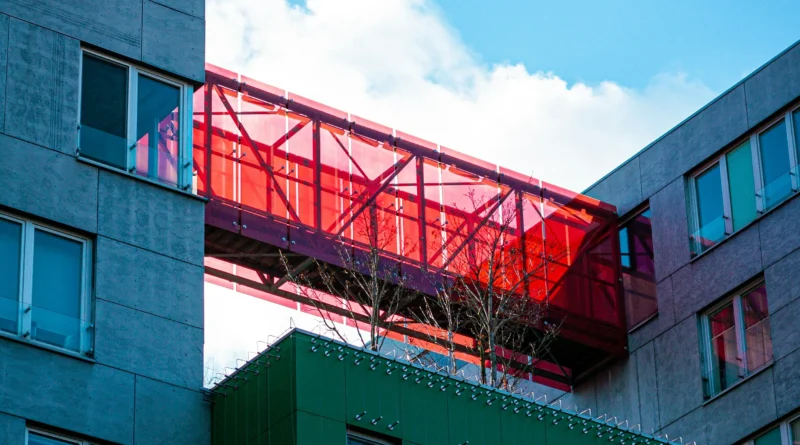
What Does A Sustainable Design Architect Do
Sustainability holds a key place in modern architecture. It shapes how we plan, build, and look after buildings. Towns and cities grow more packed with folks, and resources run low. For this reason, the job of a sustainable design architect has changed from an uncommon niche to a vital ability. This expert blends fresh ideas with care for the earth. They make certain that each choice during planning helps create a stronger environment for people to live in. In my experience from watching various projects, these architects often find ways to balance beauty with practicality in surprising spots, like turning a simple park into a community hub.
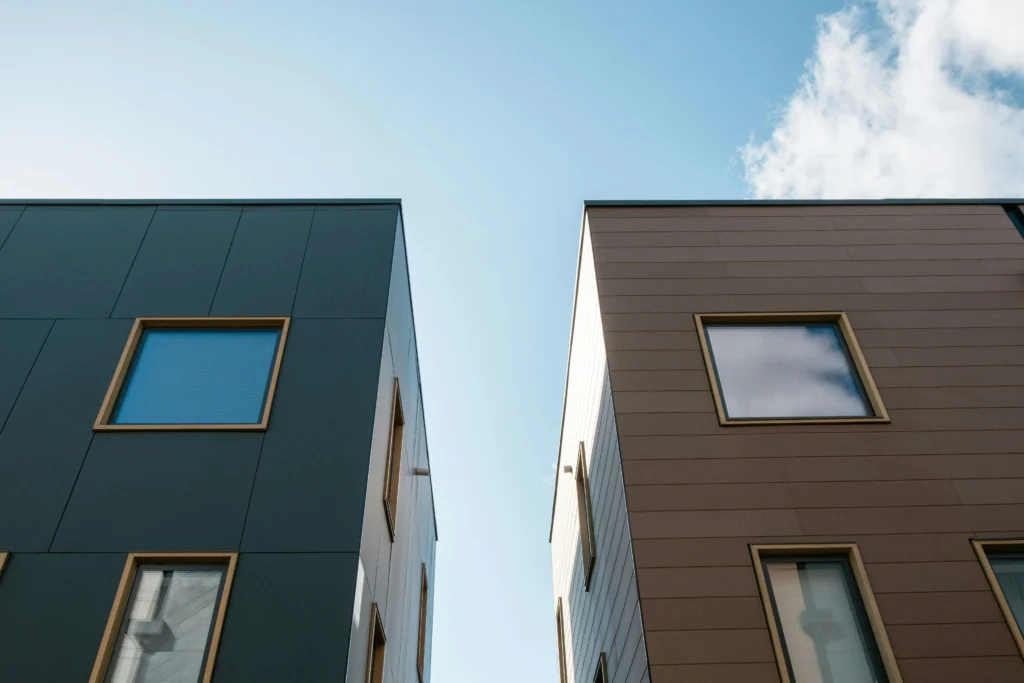
What Is the Role of a Sustainable Design Architect?
A sustainable design architect focuses on making buildings that lessen harm to the environment. They also enhance how well the space works and how comfortable users feel. Their responsibilities go beyond just looks or basic functions. Instead, they weave in earth-friendly ideas at every stage of the project. For example, think of tasks where they connect lower energy use with better health in nearby neighborhoods. Or, they might come up with smart ways to give old buildings new life.
Environmental Design Strategy
This section means choosing strong green aims right from the start of a job. Things like cutting down carbon emissions, saving water, and helping local animals and plants grow well. A sustainable design architect studies the area’s weather. They check how long different materials will hold up. Plus, they look into options for clean energy. These actions guide picks from the first sketch all the way to completion. In one case I saw in a rainy coastal town, focusing on local weather helped avoid common mistakes like poor drainage, which saved time and money later.
Green Building Certifications
People in this field often go after recognitions like LEED (Leadership in Energy and Environmental Design), BREEAM (Building Research Establishment Environmental Assessment Method), or WELL Building Standard. These frameworks provide clear checks for things such as power cuts, clean air indoors, and smart use of supplies. Picture a city hall project in a lively urban center. Getting LEED certification led to a 20 percent cut in yearly electricity costs right off the bat. That outcome really highlights how these badges can bring real changes to daily running. Sometimes, though, the paperwork can drag on a bit, but the payoff makes it worthwhile.
Collaboration with Engineers and Planners
Sustainable design architects do not work solo. They team up closely with experts like structural pros, eco consultants, and urban planners. Together, they add in tools that help the planet. Think of systems for natural ventilation or gathering rainwater. The end result is designs that run well on a tech level and fit nicely with people’s lives. It is like putting together a puzzle, where every part counts for the whole. Now and then, these group works uncover surprise perks, such as lower costs from group brainstorming. In a mixed-use development I recall, such teamwork fixed a traffic flow issue early, keeping everyone happy.
How Does a Sustainable Design Architect Approach Energy Efficiency?
Cutting energy consumption sits right in the middle of green building work. The goal goes further than just reducing bills. It also lowers the total carbon footprint a structure leaves over time. To reach this, they need solid tech skills. They draw on wise forecasts for what lies ahead. From what I’ve observed in the industry, these approaches vary by region, with hotter areas stressing cooling more than heating.
Passive Design Principles
Passive ways bring in natural light, soft breezes, and heat-trapping walls to cut back on mechanical systems. How the building faces the sun matters a lot. For instance, setting windows to grab daylight just right while keeping out too much warmth can drop power needs a good deal. And it keeps people at ease without extra hassle. Houses in sunny places have used this to cut cooling costs in half over hot summer peaks. These basic tricks tend to amaze those new to design with how easy they are to apply. In a desert community project, it even helped residents save on fans during 100-degree days.
Renewable Energy Integration
Tools such as solar panels, geothermal systems, and wind turbines show up more in green efforts these days. A sustainable design architect looks over the land’s features. They note sun paths, wind patterns, and ground types. Then, they select clean power fits that match the money and site well. In a new grade school construction, adding solar lessened grid dependence by 40 percent. This shift helped the kids’ study areas and the budget too. It is a clear example of how eco picks match real-world demands perfectly. Plus, in windy Midwest spots, wind options have pushed savings even higher, up to 50 percent in some reports.
Smart Building Systems
Clever gadgets keep an eye on how many people are in a room. They change lights or heat by themselves. This keeps the place nice for all. Meanwhile, it cuts wasted power day by day. Picture an office with sensors that turn down lights in empty spots. The concept is simple. But over months, the savings add up big. In fast-paced business buildings, these setups have changed ignored waste into smart routines. One tech firm I know of saw their monthly bill drop by 15 percent just from auto-adjusting thermostats, which made the switch feel like an easy win.
Why Are Materials So Important in Sustainable Architecture?
Picking materials affects the load a building puts on the planet. It also shapes how the inside feels to those living or working there. Each choice, from fillers in walls to coverings on floors, ties into how long it lasts, air quality inside, and the carbon locked in from making it.
Life Cycle Assessment
Planners use life cycle assessment (LCA) tools to measure a material’s impact from mining to throwing away. They lean toward items from nearby areas or built from reused parts. This lowers transport pollution and encourages loops where trash turns into treasure again. For a plant renovation last year, choosing local wood cut shipping miles a lot. As a result, the whole job remained kinder to the earth. Such picks show how tiny changes in where things come from can lead to bigger wins overall. In timber-rich forests, this not only saves fuel but also supports local jobs, creating a win-win.
Healthy Indoor Environments
Paints low in VOCs, safe adhesives, and natural fabrics boost the freshness of indoor air. EPA data says people spend about 90 percent of time indoors. So, these options link right to how well folks do their work and stay fit. The effect reaches past just feeling good; it sets the base for everyday tasks in busy city life. In regular houses, moving to these materials has cut down gripes about bad air during muggy weather. Even in schools, cleaner air has meant fewer sick days, with some places noting a 10 percent drop in absences after updates.
Adaptive Reuse Practices
Instead of knocking down old places, sustainable design architects like to find new uses for them. They keep things like bases or outer shells. This saves the past’s value. And it skips the huge power drain of starting over. Look at an old depot turned into apartments. The update saved loads of energy. It gave the block a fresh feel without losing its history. Efforts like this dig up old tales sometimes, bringing more meaning to today’s homes. In historic districts, these changes have preserved charm while meeting modern needs, like adding energy-efficient windows without altering the facade.
How Do Sustainable Architects Address Water Conservation?
Scarce water hits almost everywhere now. So, creating plans for careful water use ranks high in green tasks. From field notes, it’s clear that water issues drive many innovations, especially in growing suburbs.
Efficient Plumbing Systems
Items that use less water and toilets with two-flush settings act as main answers. They reduce pull on fresh water sources. But they keep things easy for users. Some buildings even send sink runoff to irrigate lawns or flush again. Dry spots like California areas have watched buildings trim water use by 30 percent with these. The change happened without cutting comfort. It shows how little tweaks in pipes can bring major water saves in tight-supply zones. In one apartment complex there, residents barely noticed, yet the overall usage fell sharply during droughts.
Rainwater Harvesting Systems
Planners build roof catch areas. These tie into storage tanks for uses that do not need potable water. This eases load on city lines in busy seasons. The way turns rain into a helpful thing, above all in wet but dry-prone places. Community spots in changing climates have gained steady extra supply in dry times, lightening the total burden. For a park pavilion in a stormy region, this collected enough to water plants year-round, cutting municipal bills by a third.
Landscape Design Integration
Local plants need much less water than far-off ones. By making yards fit the natural surroundings, planners make pretty and low-care areas. Imagine a play area with homegrown flowers that grow without hoses. It looks good and costs less to tend. In outer town builds, these picks save water and draw in more wildlife, like bees and butterflies, quietly boosting nature around. One neighborhood garden used this to go water-free in summer, and kids loved the buzzing visitors it brought.
What Role Does Technology Play in Sustainable Architectural Practice?
Tech helps designers test how a building will perform before digging starts. Digital aids turn green targets into things they can see and measure. In practice, these tools speed up decisions, though learning them takes time for some teams.
Building Information Modeling (BIM)
BIM lets them see in 3D how changes affect power use or light spread. Changes show up live as they tweak. This aids team work. And it reduces waste in building phases. In a clinic expansion, BIM caught problems early, saving weeks and stuff that could have been tossed. The accuracy spots things hand drawings overlook, making it key for tough jobs. During a multi-story office fit-out, it even helped rearrange wiring to avoid future repairs.
Computational Simulation Tools
Software such as EnergyPlus or Rhino’s Grasshopper plugin maps out hard connections between weather data and shape picks. Early tests make sure ideas hit marks before work begins. It works like a preview for energy, based on real numbers. Groups on shore projects apply these to guess storm effects, tweaking to handle higher waters stronger. In flood-prone deltas, simulations have guided elevated designs that held up in recent heavy rains.
Data-Driven Maintenance
After finishing, small sensors follow daily readings. They log power draws or wet spots inside. This guides fixes that keep the building strong and tidy. Over time, it finds small troubles soon, like regular check-ups for houses. In tall business towers, this stops big failures, running smooth for years. The constant info flow gives buildings a lively, adjusting feel. A hotel chain used it to spot a leaky roof before guests complained, saving on water damage claims.
How Do Sustainable Architects Influence Urban Development?
Sustainable architects do more than lone buildings. They help shape sturdy city areas that handle weather changes without falling apart.
Climate-Responsive Urban Planning
They push for areas mixing homes, stores, and jobs near bus or train stops. This cuts car rides and smoke. Close-knit city layouts boost walking. At the same time, they guard outer wild spaces. Places like Portland built zones where bikes beat cars on nice days. These ways build better health habits, and locals mention more time outside as a plus. In bike-friendly blocks, accident rates dropped 20 percent after adding safe paths.
Social Sustainability Considerations
Designs open to everyone, no matter age or ability, create real togetherness. Chatting with people early builds trust. This leads to lasting care. Now and then, casual talks at meetings spark top ideas. In varied neighborhoods, this input added things like easy ramps for all family stages. One community center included quiet reading nooks after hearing from elders, making it a true gathering spot.
Policy Advocacy and Education
Many sustainable architects share info or advise leaders on laws. They back rules that prize green parts, like water-soak paths or green roofs. These fight city heat traps. It takes steady effort. But pushing zoning changes has turned empty lots into leafy spots in some towns. Works like this gain speed, slowly moving whole urban views to harmony. In a growing suburb, advocacy led to new codes that required tree planting, cooling streets by five degrees in summer.
FAQ
Q1: What qualifications are needed to become a sustainable design architect?
A: Most start with a degree in architecture from an approved college. Then licensing exams come next. Extra badges like LEED AP prove strong skills in green standards. In competitive job markets, hands-on internships add extra edge, often leading to quicker hires.
Q2: How does sustainable architecture differ from traditional architecture?
A: Old methods might stress style or low price alone. Green architecture makes planet care a main point. It covers from early ideas to long-term care. The shift shows in details, like using recycled steel instead of new, which ties back to cost over time.
Q3: Are sustainable buildings more expensive?
A: Starting costs can go up from better parts or setups. But day-to-day bills fall soon. Savings on energy and upkeep usually cover the extra in just a few years (source: U.S. Green Building Council 2023). On top, in hot property areas, green labels raise sale prices and draw buyers. One study found a 7 percent value boost in certified homes.
Q4: What’s the biggest challenge facing sustainable architects today?
A: Matching what clients want with current rules stays hard. Many places lack good rewards for wide green use. Roadblocks pop up when solid plans meet red tape. Still, steady pushing keeps opening paths. In some regions, grant programs have eased this, funding pilot projects that prove the worth.
Q5: Can existing buildings be retrofitted sustainably?
A: Yes—power audits spot weak points. Then upgrades like better wall fills or sun panels extend use and cut pollution. Full teardowns are not needed. A business tower in New York made these shifts and hit a 25 percent pollution drop in under a year. These updates show promise for old structures in changing towns. In Europe, similar retrofits on factories have turned them into vibrant co-working spaces, blending old brick with new solar tech.