
What Are The Best Facade Materials for Buildings
Today’s building designs depend a lot on facade materials. These choices shape a structure’s look, how well it works, and how long it lasts. Picking the correct facade material can affect indoor comfort from heat, save on energy bills, and even show off a company’s image or a school’s style. For folks in building and design fields, knowing how various materials act in different weather is key to hitting both good looks and solid function. I recall a project in a rainy city where the wrong pick led to early repairs—lesson learned early.
What Factors Determine the Choice of Facade Materials?
Choosing facade materials goes beyond just how they look. It means weighing practical, money-related, and green issues. Each job has its own rules—like the weather, cash limits, upkeep hopes, and building limits—that guide the end pick.
Climate and Environmental Conditions
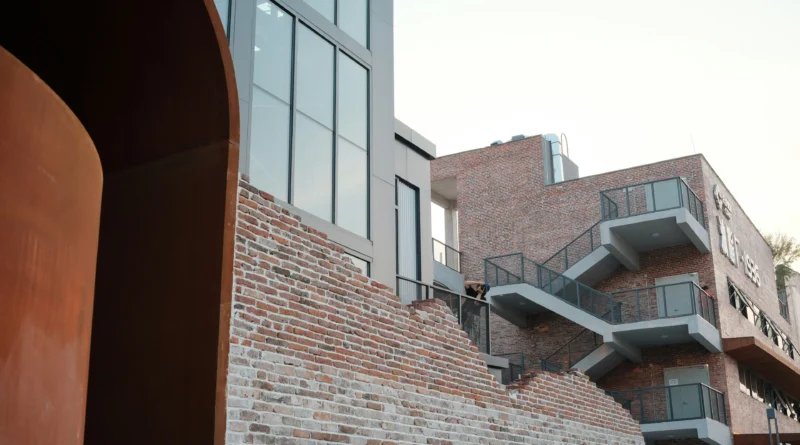
In wet or beach areas, options like aluminum composite panels or handled wood hold up better. They fight rust and water soak well. Dry spots might pick stone or brick facades. These deal with hot and cold changes without breaks. Builders check local wind strength, rain habits, and sun hits before picking facade setups. For instance, in a windy coastal spot, we once switched to stronger panels to avoid damage from gusts up to 50 mph.
Aesthetic and Design Requirements
The facade tells a building’s story through sight. It could be a shiny glass wall for an office high-rise or a rough terracotta face for art spots. The material needs to fit the design tale. Take natural stone—it gives a sense of lasting strength and high-end feel. Perforated metal sheets, on the other hand, hint at new times and openness. In one office redesign, mixing these created a fresh vibe that clients loved right away.
Cost, Maintenance, and Lifespan
Money limits often cut down choices. Natural stone or top-notch glass costs more at first. But they last years with little care. Painted steel or fiber cement boards may need checks now and then. Still, they give color and feel options at less price. Over time, that initial spend on durable stuff pays back in fewer fixes—something I’ve seen in long-term projects spanning 20 years.
How Do Metal Facades Perform in Modern Architecture?
Metal fits right into current designs with its clean style and easy changes. Yet, how it works relies on the kind, surface treatment, and fitting way.
Aluminum Composite Panels (ACP)
ACP setups see wide use. They mix light weight with good stiffness. These have two aluminum layers stuck to a core that’s not aluminum. That setup gives warmth hold plus design freedom via paints like PVDF or polyester.
Stainless Steel Cladding
Stainless steel fights rust and city dirt very well. That’s why it suits town settings. Its mirror-like face can make big builds seem lighter to the eye. And it keeps strong form for many years. In polluted downtowns, this choice has saved teams from constant cleanups, based on real jobs I’ve followed.
Corten Steel Surfaces
Corten steel forms a self-guarding rust coat when out in the weather. This draws folks to projects wanting a factory or country look. It holds strong without much worry. One bridge project used it, and after five years, the patina just added character—no extra work needed.
Why Are Glass Facades So Popular in Commercial Buildings?
Glass has changed how builders handle light and clear views in made spaces. Past looks, new tech has made glass a smart wrap for saving power.
Energy Efficiency Through Glazing Technology
Low-emissivity (Low-E) layers cut heat move while letting light through. Units with two or three glass layers, filled with safe gases, drop energy waste more. These tweaks can slash heating costs by up to 30% in moderate climates, from what studies show.
Daylighting and Visual Comfort
A smart glass face lets in plenty of day light. It cuts shine with covers or dotted designs. This boosts how people feel inside. It also cuts need for fake lights in day times. Think of a store where natural light drew in 15% more shoppers—small change, big win.
Structural Glass Systems
New laminated safety glass lets full faces build without seen frames. Structural glazing makes smooth faces. They stress wide-open feel—a sign of today’s business builds. In high-rises, this setup not only looks sleek but also eases installation by reducing parts.
Can Natural Materials Like Stone or Wood Compete With Synthetic Options?
Natural picks stay classic for creators who like real feel and touch. Their green mark changes with how they source and treat. Wood might seem old-school, but in eco-builds, it’s making a comeback stronger than ever.
Stone Veneers and Panels
Granite, limestone, marble—each offers special shades and feels that fake ones can’t match easy. Made stone panels cut weight but keep the real charm. A museum facade with limestone held its glow after 10 rainy seasons, proving its worth.
Timber Cladding Systems
Heat-changed wood fights rot more than raw types. It adds a cozy feel that metals or cement can’t touch. But you need to seal it often to keep looks under sun rays. In wooded areas, this choice blends buildings into nature seamlessly.
Brick Masonry Facades
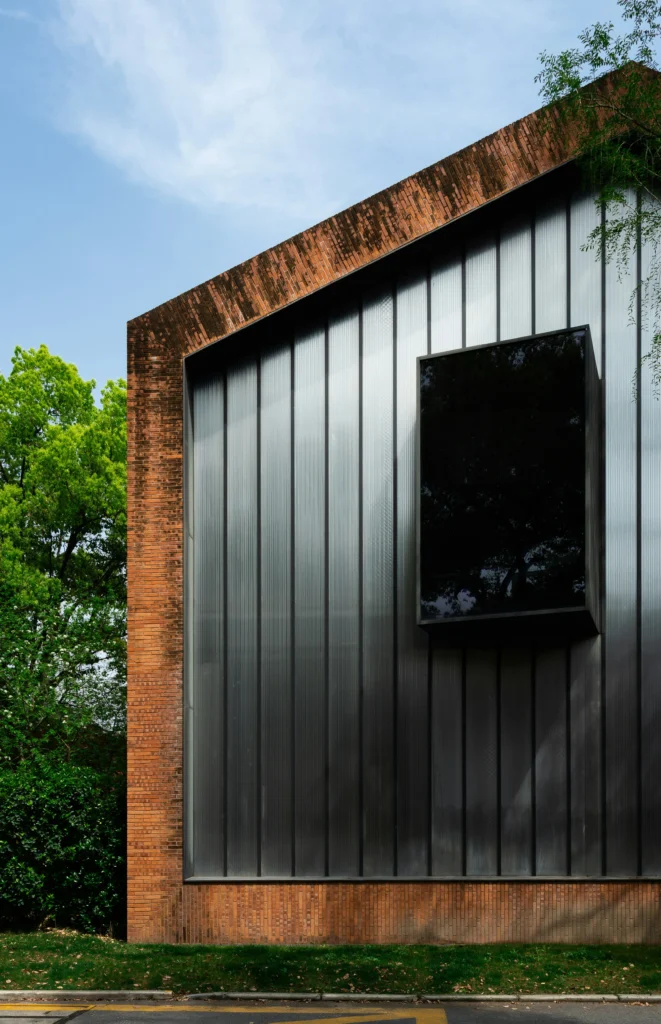
Brick stays one of the greenest facade picks. It’s reusable and needs little care. New thin-brick ways speed up fitting without losing old charm. Factories often use it for that tough, everyday look that lasts generations.
What Role Do Innovative Composite Materials Play?
Mix tech has grown what facade work can do. It blends many material traits into one setup.
Fiber-Reinforced Polymer (FRP) Panels
FRP panels weigh little but hold strong for big spans. Think stadiums or travel spots. Their bend lets make tricky shapes that stiff stuff can’t. At events with crowds, this lightness cuts build time by days.
High-Pressure Laminate (HPL) Boards
HPL boards copy wood lines or stone looks. They beat UV rays and marks well. That’s a plus in open spots where tough use counts. Schools pick them for walls that kids can’t easily ruin.
Ceramic-Based Composites
Ceramic panels give fire guard plus color hold after long sun time. They fit school builds wanting safe rules and nice looks. In fire-prone zones, this has become a go-to for peace of mind.
How Do Sustainability Goals Affect Facade Material Selection?
Green aims now guide most build steps. From getting raw stuff to recycle end, it matters. Eco facades help get badges like LEED or BREEAM. It’s not just buzz—real savings show in lower bills over time.
Recyclable Metals and Glass
Aluminum recycles forever without quality drop. Some goods have over 90% reused bits (source: European Aluminium Association 2023). Glass makers use more broken glass to save power in making. One factory cut its energy use by 20% this way—practical proof.
Bio-Based Alternatives
Wood with FSC tag means good forest care. It cuts built-in carbon versus fake covers from oil chems. In green projects, this swap often tips the scale toward certification.
Energy-Generating Facades
Building-integrated photovoltaics (BIPV) turn faces into power makers. Not just wraps anymore. This mix of looks and green tech grows in Europe since 2021, per IEA notes. A office in sunny spots added panels and powered 40% of its needs—impressive shift.
FAQ
Q1: What Is the Most Durable Facade Material?
A: Stainless steel ranks high for lasting power. It resists rust and tough weather for years with little care. In salty air tests, it outlasted others by double the time.
Q2: Are Glass Facades Suitable for Hot Climates?
A: Yes. Pair them with Low-E layers and shade tools. These cut sun heat while keeping views clear. It cools insides without losing day light. Hot desert builds use this combo often.
Q3: Which Material Offers the Best Acoustic Insulation?
A: Units with many glass layers top the list. Gaps in panes block sound like walls. Dense brick walls do well too. For noisy streets, this quiets things inside nicely.
Q4: How Often Should Wooden Facades Be Maintained?
A: Check every three to five years. It depends on weather hit. Reapply guard oils or seals to stop fade or water harm. Skip it, and you might see cracks sooner than planned.
Q5: Can Different Facade Materials Be Combined?
A: Yes, for sure. Mix setups with metal sheets, stone covers, or glass parts happen a lot now. They boost work and give unique build styles across types. One hotel mixed them for a standout front that won awards.