
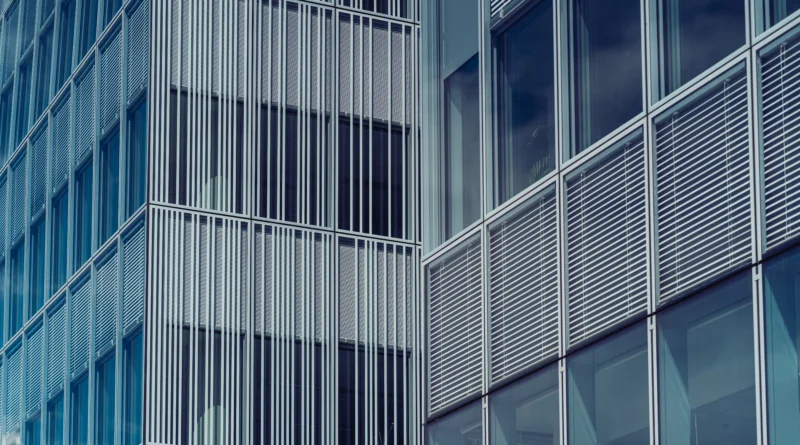
What Are Facade Systems And How Do They Work
Facade systems stand out in today’s buildings. They shape how a structure looks. They also control how it performs. Plus, they help with saving energy. As someone who knows a lot about this, I can say the facade does more than just look pretty. It acts as a smart setup that mixes building skills, material knowledge, and green design ideas. This piece looks into how these systems work. It covers their kinds, the stuff they’re made from, and the new ideas pushing them forward.
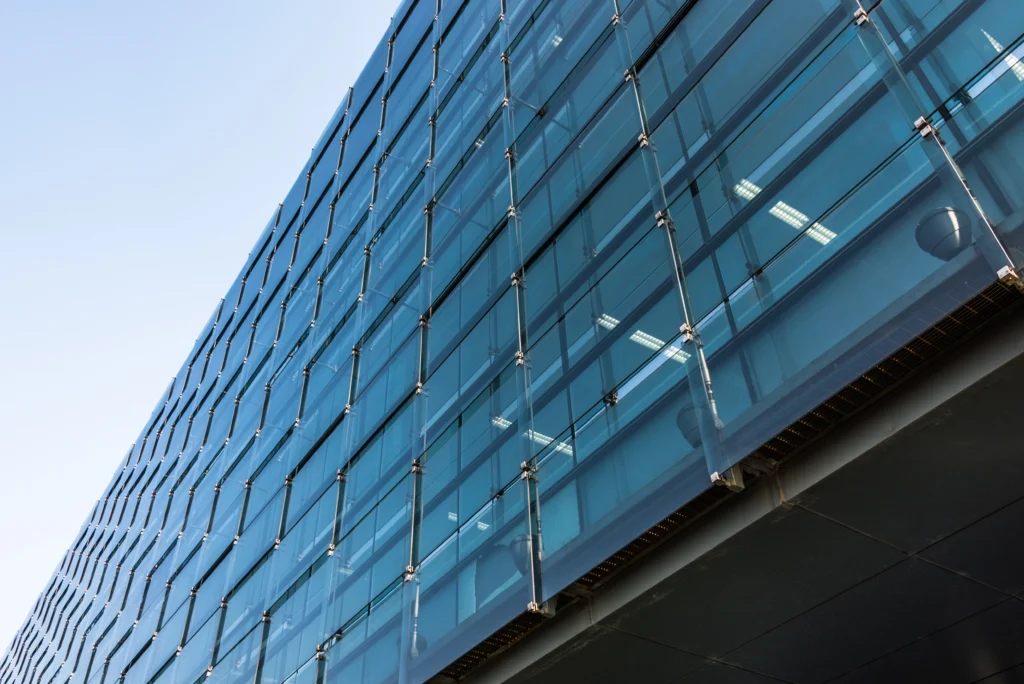
What Is a Facade System?
A facade system means the outer cover of a building. It keeps the inside separate from the outside world. Builders design it to handle weight from the structure. It fights off bad weather. It provides warmth. It lets in natural light. And it adds to the building’s style. In real life, it’s where looks meet solid work. It balances nice views with strong function.
Definition and Core Function
A facade system protects and shows off. It guards the building from things like strong winds, heavy rain, and big temperature swings. At the same time, it sets the building’s look. Take curtain wall systems in tall office buildings, for instance. They use glass sheets held by aluminum frames. This makes the outside light but tough.
Structural Components
The main parts include outer panels, support frames, fixing points, warm layers, and seals against water. All these pieces need to fit together well. That way, they keep air out and heat in place. Engineers use computer programs with 3D views. They test how pressure spreads. They also improve how joints connect for better safety.
Performance Criteria
Standards check things like how much air leaks through (EN 12152). They look at how well it stops water (EN 12154). They test against wind push (EN 13116). And they measure heat flow (U-value). A good facade cuts down heat escape in cold months. It also lowers extra heat from the sun in hot times. This matters a lot for buildings that aim to use zero net energy. I remember a project in a windy city where poor seals led to drafts—simple fixes like better gaskets made all the difference.
How Do Different Facade Systems Operate?
How facade systems run comes down to their build style and how materials go together. Picking between pre-made units or on-site assembly changes how fast they install. It affects costs too. And it shapes upkeep plans.
Curtain Wall Systems
Curtain walls don’t carry the building’s weight. They hang on the frame like a curtain. You can get them as unitized types—ready-made sections put up quickly. Or stick-built ones—pieces joined right there on the job. Glass versions fill many business high-rises. They let light in and look clean. But they need careful work on details. That stops water buildup or cold spots where heat slips away.
Ventilated Facade Systems
Ventilated facades have a gap for air between the outer layer and the warm stuff inside. This space lets air move on its own. It uses rising warm air to pull cooler air through. That cuts down on trapped dampness. It also helps keep temperatures steady. Common picks include clay tiles or fiber cement boards. In rainy areas like the Pacific Northwest, these setups have saved owners from mold problems by just letting air flow naturally.
Double-Skin Facades
Double-skin facades use two glass sheets with an air pocket in between. This pocket works like a shield. It softens weather effects. Sensors watch the space. They open vents if needed. This changes air flow based on heat or air quality. You’ll see this in top green buildings in places like Germany. It’s been around since the start of the 2000s. One office I know of cut its cooling bills by 20% with simple vent controls tied to weather apps.
What Materials Are Commonly Used in Facade Systems?
Choosing materials sets the look and how long it lasts. Each one handles light, heat shifts, and dirt in its own way. Sometimes, folks pick based on local weather—think rust-proof options near the sea.
Glass as a Modern Standard
Glass tops the list for its clear view and easy changes. You can add coatings like low-E to block heat or films to control sun. Laminated glass makes it safer by holding pieces together if it breaks. Insulated units trap gases like argon between layers. This boosts energy savings. In sunny spots, I’ve seen buildings stay cooler inside without cranking the AC all day.
Metal Panels for Durability
Aluminum composite panels (ACP) give light weight and strong build. They don’t rust easily. Stainless steel or zinc covers add rough textures. But joints need exact work. That avoids reactions with other metals that cause eating away. For a factory near the coast, switching to these panels meant no more repaints every few years.
Stone and Ceramic Finishes
Real stone gives a solid, lasting feel. But it weighs a ton. Porcelain ceramics look close but load less on the structure. Both hold up well against sun damage. They outlast plastics or painted surfaces over years. In historic revamps, ceramics often mimic old stone without the heavy lift.
Why Are Facade Systems Crucial for Energy Efficiency?
Smart facades lower running bills. They make inside spaces comfy. This fits into worldwide plans for green buildings. Plus, with energy costs rising—up 15% in some cities last year—they pay off quick.
Thermal Insulation Layers
Warm wall setups cut heat movement. They use steady foam boards or rock wool fills behind the outer skin. Good planning around windows stops cold paths. That avoids wet spots inside that lead to drips. A school project I recall added extra insulation and saw heating costs drop by half during winters.
Solar Control Mechanisms
Moving shade parts built into facades manage sun entry over the day. Things like slats or glass that tints on its own shift with light sensors. These link to the building’s control setup. In hot climates, this keeps glare down without dark curtains blocking views.
Air Tightness Management
Strong seals at connections hold indoor warmth steady. This cuts the work for heating or cooling systems. Tests with air blowers measure leaks when the building first opens. For big jobs, these checks catch issues early. One high-rise fixed leaks and saved thousands in energy each month.
How Do Facade Systems Contribute to Building Safety?
Safety goes past just holding up. It covers how they act in fires, stand up to hits, and allow easy fixes. Regulations push for this, especially after past mishaps.
Fire Resistance Design
Materials that don’t burn, like rock-based boards or safe aluminum insides, meet tough fire rules (e.g., EN 13501-1). Walls inside gaps block fire from climbing in air spaces. This came from lessons in fires with ACP around the world. In one case, proper barriers kept a small issue from spreading to the whole floor.
Impact Resistance Standards
Glass parts must take hits from flying objects in storm areas. Standards like ASTM E1996 guide this for places with hurricanes. Laminated layers keep shards in place if broken. This stops harm to people below. Coastal builds often test extras, like for 100 mph winds.
Maintenance Access Solutions
Systems for reaching the outside, such as BMUs (Building Maintenance Units), let workers clean high spots safely. Designers hide tie points in frame lines. This keeps the look smooth and water-tight. For a 40-story tower, good access cut cleaning time by days per cycle.
What Innovations Are Shaping Modern Facade Systems?
New tech changes facades from simple shields to active players. They now respond to the world around them. It’s exciting—almost like the building breathes.
Smart Responsive Facades
These outer layers use watchers that sense sun strength or wet air. They change shade shapes on their own. This idea started in studies at ETH Zurich around 2015. In practice, it means less manual tweaks for light control. A museum used this and visitors loved the natural glow without harsh spots.
Integration of Renewable Energy Elements
Building-integrated photovoltaics (BIPV) turn facades into power makers. They use see-through solar sheets inside glass. Check out Copenhagen International School. Its solar outside makes over 200 MWh each year (source: SolarPower Europe Report 2022). Retrofitting these can boost old buildings’ green score without big rebuilds.
Parametric Design Tools
These computer tools let designers try many shapes fast. They use real data on sun paths or wind flows. This improves looks and build accuracy with machine-cut parts. In a recent park pavilion, it helped fit panels perfectly to the curve, saving material waste.
How Are Facade Systems Maintained Over Time?
Good care plans keep them working well for years. Bad spots in seals or covers can lead to big problems. These hide high up until they show clear signs. Regular checks prevent that escalation.
Inspection Protocols
Check every two years for worn seals or shifted panels. Catch issues early. This stops water from sneaking in. That could cause mold behind the walls. Teams use drones now for tall spots—faster than ladders. In urban towers, this routine has extended life by decades.
Cleaning Techniques
For tall glass sides, machines on ropes with pure water sprays work best. They avoid streaks better than hand tools. Manual wipes often leave marks in strong midday sun. A hotel chain switched to robots and cut cleaning costs by 30%, plus safer for staff.
Refurbishment Strategies
Updating old covers means adding new light panels over the old ones. This boosts warmth without changing inside rooms. It’s a cheap way to go green. This trend picked up in busy cities since 2018, per RICS reports. One office block did this and gained LEED points easily.
FAQ
Q1: What distinguishes curtain wall from structural glazing?
A: Curtain walls attach externally via mullions while structural glazing bonds glass directly onto frames using silicone adhesives creating seamless appearances favored in contemporary façades.
Q2: How often should facade seals be replaced?
A: Typically every 15–20 years depending on UV exposure levels; periodic inspection helps determine earlier replacement if cracking appears along perimeter joints under magnification checks during maintenance cycles.
Q3: Can facade systems support renewable integration retroactively?
A: Yes; modular photovoltaic laminates can retrofit onto existing curtain walls provided load capacity assessments confirm compatibility before installation begins following IEC certification guidelines for BIPV retrofits issued in 2021.
Q4: Which material offers best acoustic insulation?
A: Multi-layer laminated glass with acoustic PVB interlayers achieves superior sound attenuation up to Rw = 45 dB suitable near airports or highways where ambient noise exceeds permissible thresholds defined by ISO 140‑3 standards.
Q5: What role does BIM play in facade coordination?
A: Building Information Modeling centralizes geometric data enabling clash detection among trades ensuring alignment between structural anchors mechanical penetrations lighting conduits during pre-construction coordination reducing rework costs significantly later onsite activities.