
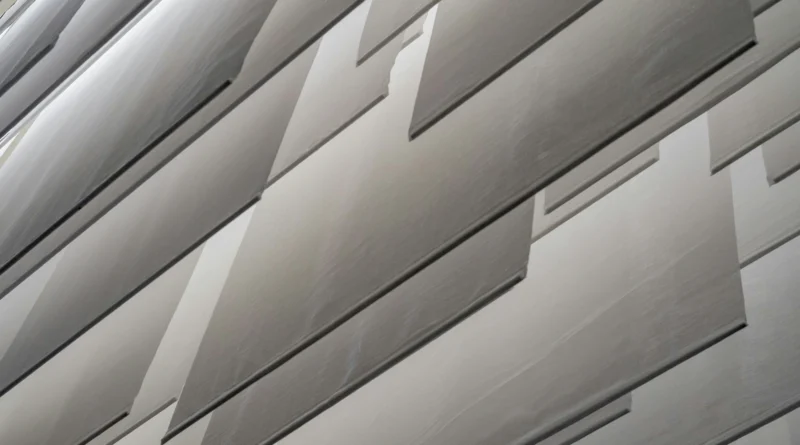
What Is Fibre Cement Cladding And Why Use It
Fibre cement cladding has turned into one of the top talked-about choices in today’s building world. It’s not only about how it looks. The real draw comes from its strong performance, tough build, and green side too. If you’re in construction or design work, knowing how this stuff holds up in everyday use can really shape your project’s success. It affects upkeep schedules and overall worth over time. This piece looks at the main points of fibre cement cladding. We cover its makeup, how to put it on, and its effects on the environment.
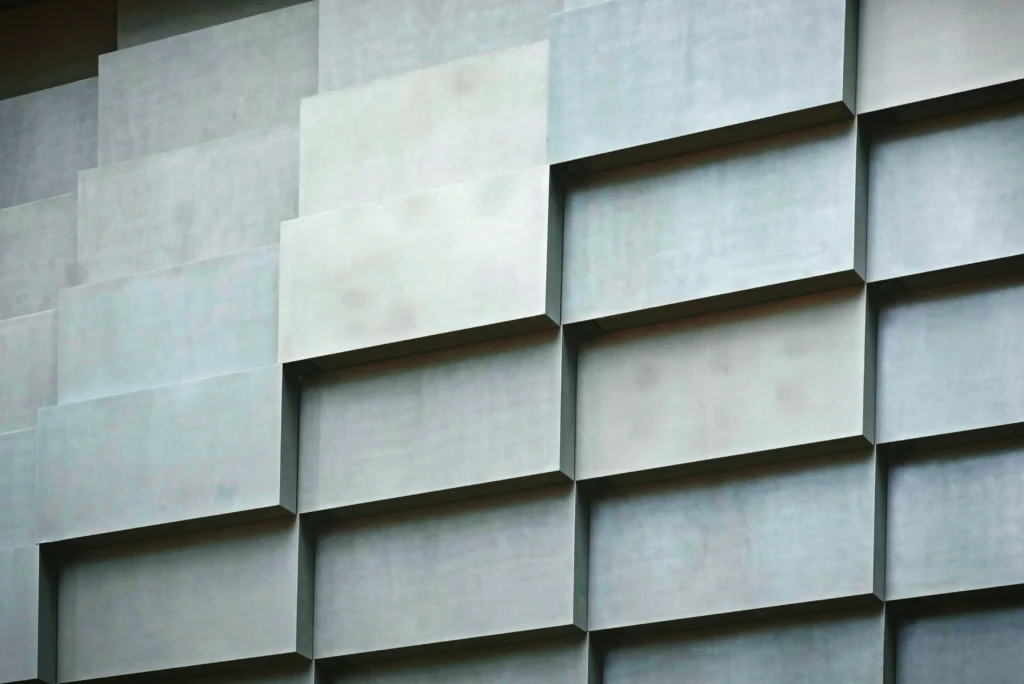
What Makes Fibre Cement Cladding Different From Other Exterior Materials?
Fibre cement cladding sets itself apart thanks to its mixed makeup. It blends cement, cellulose fibres, sand, and water into a solid, steady board. This board copies the feel of timber or stone. Yet it avoids many of their downsides. Before we get into the perks, keep in mind that this blend creates a special mix of toughness and bend. It’s like getting the best of both worlds in one sheet.
Composition And Structure
The secret to how well fibre cement cladding works comes from the way these parts mix together. Cement holds everything in place. Cellulose fibres bring in pulling strength. Sand adds firmness and a rough feel. Workers press the boards hard while they dry to make them stay the same size over time. What you end up with is a surface that won’t catch fire. It handles heat and wet conditions without twisting or splitting. In places like rainy spots, this means fewer headaches down the line.
Durability And Weather Resistance
When you stack it up against timber weatherboards or vinyl siding, fibre cement cladding beats them in fighting off decay, bugs like termites, and sun damage from UV rays. Think about beach towns where salty wind eats away at metal parts fast. Here, this material keeps its shape for years with just basic care. Plus, its thick build cuts down on noise passing through. That’s handy for city builds right by busy roads. I recall a project in Sydney where the team picked it for that exact reason—kept the office quiet despite the traffic hum.
Aesthetic Versatility
Designers love fibre cement because it comes in plain sheets or rough-cut boards that look like wood patterns or rock walls. Paint sticks well to it thanks to the open texture. Colors stay bright longer, even in strong sun. Lots of makers now sell boards already coated with heat-baked layers. This gives even shades over big front walls. It’s a small touch, but it saves time on site and looks sharp from the street.
How Does Fibre Cement Cladding Perform In Terms Of Fire Safety?
One big plus for fibre cement cladding is how it handles fire. In areas that follow rules like European EN 13501-1 or Australian AS 1530, these boards get top marks for not burning. They’re great for tall buildings where safety counts most.
Non-Combustibility And Flame Spread
Since it’s mostly made from minerals, fibre cement won’t start a fire or add to one. If flames hit it straight on, it holds its shape much better than wood mixes or PVC sheets. This makes it a smart pick for spots prone to wildfires or city spots with tough fire rules. For example, in California builds after those big fires, folks turned to it to meet codes without worry.
Smoke And Toxic Emission Control
Tests show that when it burns, fibre cement lets out very little smoke. It also skips the bad gases. That’s key for people getting out safely in a fire. Plastics, on the other hand, give off harmful stuff when they get hot. This material just sits there, not making things worse. It’s a quiet hero in those scary moments.
Compliance With Building Codes
Most local rules see fibre cement cladding as meeting Class A fire levels under ASTM E84 or similar worldwide. Picking it makes getting permits easier. You don’t have to jump through extra hoops for face materials that need to stay fire-safe.
Why Is Fibre Cement Cladding Considered A Sustainable Choice?
Talks about green building often look at how long a material lasts, not just how it’s made. Fibre cement fits right in here. It shines because it endures and needs little fixing up.
Resource Efficiency
The basic stuff—cement, sand, cellulose fibres—comes from plenty of sources. You can recycle them at the end. Factory scraps often go back into fresh runs without dropping quality. Take aluminium composite panels. They need heavy energy to melt and shape. Fibre cement uses less power per square foot of wall cover. In one factory tour I heard about, they reused 20% of waste material weekly, cutting down on fresh pulls from the ground.
Longevity And Reduced Replacement Cycles
If you install it right, the outside layer can go 40 to 50 years before a big fix. That long run means less waste and pull on resources. Fewer swaps equal a smaller mark on the planet.
Energy Efficiency Contribution
Pair it with air-flow wall setups, and fibre cement boards help control heat. Air moves behind the sheets to cool things down naturally. This cuts back on fans or AC units. It boosts how well the whole wall keeps temps steady inside.
How Does Installation Affect Performance And Maintenance?
The top material can flop if you don’t set it up well. Fibre cement cladding needs careful work when attaching and sealing. Only then does it reach its full years of service.
Subframe And Fastening Systems
You usually fix the boards to aluminium or rust-proof steel frames. Use hidden clips or screws right on the face, based on the look you want. Leave space to handle heat changes. This keeps lines straight on the whole side of the building. Skip that, and you might see pulls or gaps later.
Joint Treatment And Moisture Control
Designs with gaps let air flow on purpose. But you must get the covers right around windows or roof edges. That stops water from sneaking in. Sealants need to stay soft over years. If not, tiny breaks let damp in. In cold spots, that could lead to cracks from ice forming and breaking.
Cleaning And Surface Care
Keeping it clean is simple. Wash it now and then with soft soap to clear dirt. This won’t harm the paint. You repaint about every 15 to 20 years, based on sun and weather. That’s way better than wood sides that need oil or seal each year. One homeowner told me they just hosed it down twice a year and it looked new after a decade.
What Are The Cost Considerations When Choosing Fibre Cement Cladding?
Looking at costs means more than the upfront bill. Think about the full run of money over time. That’s key for pros weighing options.
Material And Labour Costs
Fibre cement lands in the middle price spot. It’s pricier than vinyl but cheaper than metal walls. Putting it up takes a bit more work. The boards weigh enough for two people to handle. But that extra effort pays off with less fixing later on.
Maintenance Savings Over Time
Once it’s on right, costs stay low. No sprays for bugs, no patches for rot, and paint jobs come less often. In 30 years, these breaks often cover the starting gap with low-price picks. It’s like buying quality shoes that last instead of cheap ones you replace monthly.
Value Retention And Resale Appeal
For money reasons, spots with tough, fire-safe outsides hold their price better. Buyers like the long haul. It matters in business buildings where wall issues mean lost work days and cash.
How Does Fibre Cement Compare With Competing Materials Like Timber Or Metal Panels?
Every wall type has its spot. But fibre cement often comes out ahead when you weigh looks and strength needs. It’s not always the flashiest, but it gets the job done reliably.
Comparison With Timber Cladding
Wood brings a cozy feel. But it fights constant battles with wet rot and pests. Fibre cement gives that same style without the living threats. It’s perfect when you want wood vibes but plan for decades of use. In rainy Seattle projects, teams swap timber for this to skip the yearly checks.
Comparison With Metal Panels
Metal works great for clean lines. But it bends from hits like hail or rough play. Fibre cement’s solid feel fights that off. It also quiets sounds better with its heavy makeup. That’s from how the parts settle vibrations naturally.
Comparison With Vinyl Siding
Vinyl wins in homes for being cheap. Yet it twists in hot spots over 60°C, especially dark ones in full sun. That’s a problem fibre cement skips as a rock-based choice. In Texas summers, vinyl folks often regret it after a few seasons of warp.
FAQ
Q1: What Is The Lifespan Of Fibre Cement Cladding?
A: It usually runs 40 to 50 years. That depends on weather and how well you install it. Many makers give promises over 30 years for the build strength.
Q2: Can Fibre Cement Be Painted Or Recoated Easily?
A: Sure. The open top takes water-based paints without extra base coats. Factory ones come with sun-proof layers that need little touch-up later. You can switch colors if the mood strikes, though most stick with the original for simplicity.
Q3: Is It Suitable For Coastal Environments?
A: Yes, totally. Metal walls rust from salty air fast. Fibre cement stays steady in the chemistry. It’s a top choice for beach spots like resorts or boat docks with steady wet air all year.
Q4: Does It Provide Any Thermal Insulation Benefits?
A: It doesn’t insulate on its own. But in air-flow wall setups, it helps the whole thing work better. It cuts heat build by letting air move in channels behind. This keeps rooms comfy without extra machines.
Q5: Are There Limitations On Panel Sizes Or Shapes?
A: Makers have usual cuts up to about 3m by 1.2m. Custom slices let you shape it for fun designs. Think curved walls done with small pieces fitted along the bend. Strength stays solid no matter the layout. In one modern home, they used strips for a wavy front that turned heads without weak spots.