
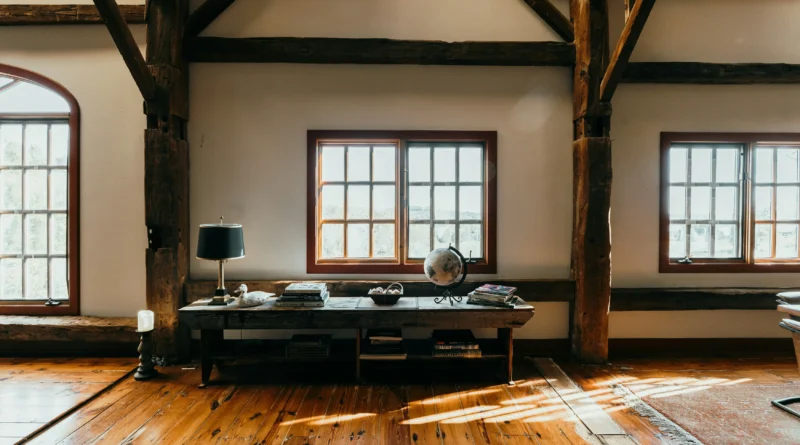
Are Modern Barndominiums Worth the Investment
Modern barndominiums have shifted from simple rural oddities to popular housing choices in a short time. They mix the country charm of barns with the cozy and practical features of today’s homes. These homes draw in people who want room, good looks, and options. But do they really pay off in the end? This piece looks at their worth from several sides. It covers cost, style, strength, and future gains. The goal is to help you decide wisely. I remember chatting with a friend who built one last year. He said it changed how he lives, but let’s dig deeper.
What Makes a Modern Barndominium Different from Traditional Homes?
Modern barndominiums differ through their build and materials. They often use steel frames and metal walls instead of wooden supports. This setup lets you have big open insides without walls that hold up the roof. So, you can make huge living areas. Or, you can blend home spots with work rooms or garages.
Structural Efficiency and Open Layout
The wide floor plan is a key reason people like them. It offers big areas without breaks. This helps with fun inside setups that old-style homes struggle to match. The steel frame holds up tall roofs and wide windows. That creates a light and breezy feel. Plus, it cuts down on inside supports.
Material Durability and Maintenance
Steel builds fight off bugs like termites, damp issues like mold, and fires better than wood. Over the years, upkeep stays low. Metal walls don’t decay or bend out of shape. But keeping warm or cool matters a lot. Metal passes heat quicker than wood. So, good heat blockers are a must for comfort. They also save on power bills.
Customization Flexibility
The build uses parts that fit together easily. You can add on or change things as life shifts. That’s tough to do with regular brick or wood houses. This easy change draws in folks who want homes that grow with them. For example, a family might start with a basic setup and later add a playroom without big headaches.
How Do Construction Costs Compare to Conventional Homes?
Lots of folks pick barndominiums because they seem less pricey to put up. But the real cost depends on where you build, what you use, and how much you tweak it.
Initial Building Costs
In 2024, the average cost runs from $120 to $200 per square foot for a modern barndominium in the U.S., based on info from HomeGuide (2024). Regular homes often begin near $150 per square foot. But they can climb fast with special touches. You save mostly on basic bases and quicker work. That’s thanks to ready-made steel pieces. Think about it: a crew might finish the frame in days, not weeks.
Long-Term Energy Efficiency
How well it saves energy changes a bunch based on the insulation and windows. Metal setups lose warmth faster than wood ones. Yet, good spray foam can cut power costs by up to 25%, per Energy.gov (2023). In the long run, this evens out any starting price gaps between the two kinds. I’ve seen bills drop in places like Colorado winters.
Maintenance and Lifespan Expenses
Day-to-day care tips the scale toward barndominiums. Metal roofs hang on for 40–70 years. Asphalt ones last just 20–30 years (National Association of Home Builders, 2023). A fresh coat of paint or seal on outside parts every ten years stops rust cheap. That’s way less than fixing wood walls often.
Are Modern Barndominiums Structurally Reliable Over Time?
Strength is why more investors like these low-care spots that keep their worth for years.
Weather Resistance
Steel frames handle strong winds and shakes well if built right. In spots like Texas or Oklahoma with lots of storms, builders make them strong for winds over 140 mph. They follow FEMA P-361 rules. This toughness helps with insurance too. Rates often go down after checks by local experts.
Fire Resistance
Wood frames catch fire quick and burn. Steel doesn’t add to the blaze. It just softens at very high heat over 1,100°F (UL Fire Safety Report 2022). Add walls that don’t burn and stone in kitchens or by fireplaces. This cuts fire danger a lot compared to wood homes.
Corrosion Protection Measures
Water can lead to rust if you ignore it. But new zinc coatings make them last over 50 years without big wear (American Galvanizers Association 2023). Check the connections now and then. That stops water build-up in wall spaces where rust might hide and grow. It’s like giving your home a yearly check-up to catch small issues early.
Do Barndominiums Offer Good Return on Investment?
Investors see modern barndominiums as smart buys now. Demand grows for homes that mix work and living spots with ease.
Property Appreciation Trends
Land in the country has gone up in value since 2020. That’s from more people working far from offices. Pair cheap land with quick steel homes, and you get solid gains in places like Texas or Tennessee. Rules there let you build freely (Zillow Market Data Q1 2024). Folks like the fresh look and easy care. These push sale prices up quicker than plain city homes at the same cost.
Rental Income Opportunities
For short stays, these “barn-style” spots do great on sites like Airbnb. They look cool and have room for groups or parties. Owners say they fill up more than average when pitched as fancy farm getaways. Long rents pull in shop owners who want home and work in one place. That’s rare in quiet areas. One owner I read about turned his into a weekend spot and doubled his income.
Tax Incentives and Financing Options
In some spots, if you build on farm land, states see barndominiums as farm buildings. That means lower taxes sometimes (USDA Rural Development Program 2023). Loans are getting better. Banks now give special ones for steel homes. They match regular house values after experts check them out.
How Does Design Influence Their Market Appeal?
How it looks decides if a barndominium feels like a real home or just a big shed. That view hits how easy it sells later.
Interior Aesthetic Balance
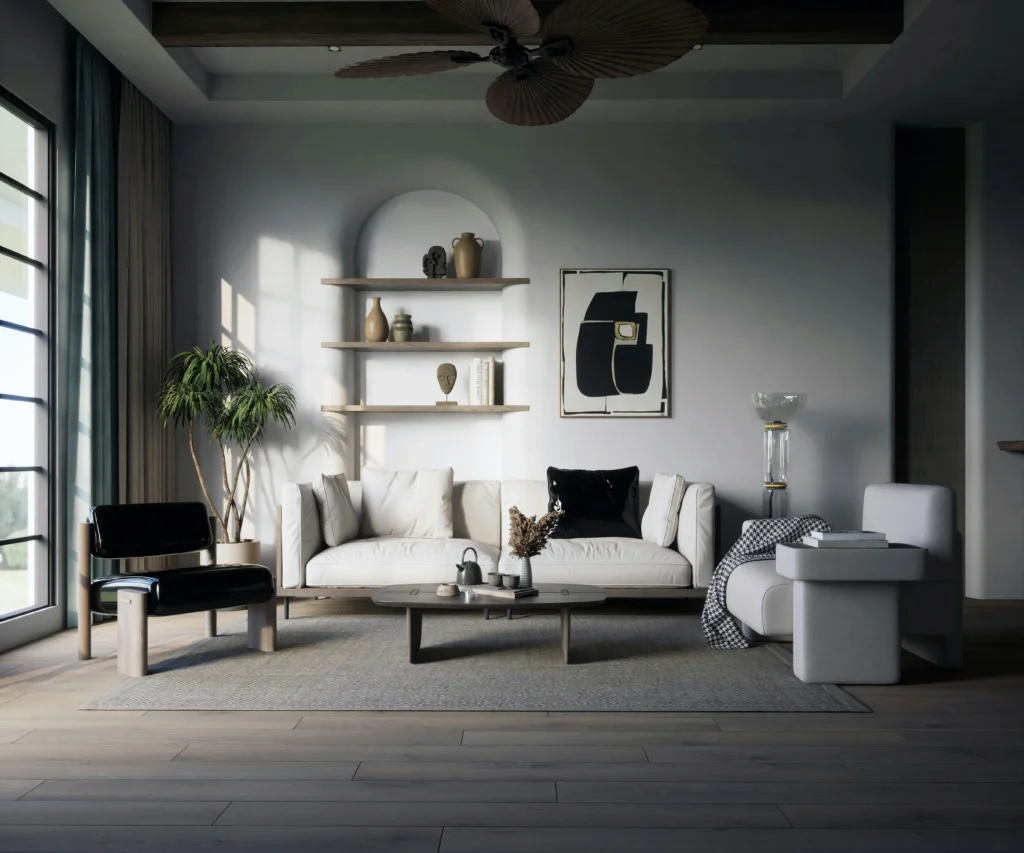
Good ones mix rough stuff with cozy touches. Think old wood beams or smooth floors with soft rugs and lights. These warm up the big space without it feeling empty or noisy. New builders sometimes go too plain. They forget how sounds bounce in open rooms or how to make it comfy.
Exterior Integration with Landscape
Designers suggest soft colors that fit the land. Skip bright metal that shines too much in the sun over fields. This tweak helps looks and keeps heat out in hot times (Architectural Digest Design Review 2023). Add plants from the area. They tie the house to the ground and cut water use over years. It’s like the home grows from the soil.
Smart Technology Enhancements
Put in smart controls for heat in different zones. This works best in big insides. Sloped roofs suit solar panels well. They cut power needs over 30 years or more with battery backups now under $150/kWh (BloombergNEF 2024). These green adds draw buyers who care about the earth. They think about selling later too.
What Are the Potential Drawbacks You Should Consider?
For all the pluses, some downsides might matter based on where you are or what you want in daily life besides money.
Zoning Restrictions and Permitting Challenges
Certain towns still see metal builds as just farm tools, not homes. You need extra okay from leaders before moving in. This can add months of wait. Clear it ahead with local offices that know the growing interest since 2019.
Insulation Complexity in Extreme Climates
In cold north areas, watch for water drops inside. Bad steam blocks can lead to wet damage you don’t see at first. It shows as stains on walls later. Fixing it costs a lot and needs pros who know metal walls.
Limited Conventional Mortgage Options Historically
Loans get easier each year. But some banks still hold back on odd builds without nearby sales to compare. This makes value checks hard for a bit. It will smooth out as more people build. This happens fast outside big cities, with growth over 15% a year since folks moved to the country during the pandemic.
FAQ
Q1: What Is the Average Lifespan of a Modern Barndominium?
A: With steady care like a new paint job on outside every ten years and checks on joins each year, most steel-frame barndominiums hold up 50 to 75 years. It depends on the weather they face.
Q2: Can You Get Insurance Easily for These Homes?
A: Yes. After they pass local rules for wind strength, insurance folks treat them like regular houses. They often cut rates based on how tough they are.
Q3: Are Modern Barndominiums Suitable for Urban Areas?
A: They shine in the country, but some cities okay them now. Use covers on the outside to hide the metal look. This fits them into city spots with mixed uses.
Q4: How Long Does Construction Typically Take?
A: Ready kits let you finish in four to six months. That’s against eight to twelve for built-from-scratch homes, if the base work goes without rain holding things up.
Q5: Do They Hold Resale Value Compared to Conventional Houses?
A: Sales numbers show prices going up steady, especially in the south U.S. As more buyers know them, the cost difference to regular homes shrinks. Checks after build confirm power savings, which helps folks feel sure before buying.