
How To Choose Between Different House Styles
Picking a house style means more than just going with something that looks nice at first glance. It affects how you go about your daily tasks. It shapes the jobs needed to maintain the place. And it sets the overall mood in your home for years to come. The structure of the building forms its look. Plus, it touches on how practical it is day to day. It also plays into saving on electricity and gas. And it matters for the price when you sell down the road. Folks in real estate, building design, or decorating rely on good facts and practical know-how to sort through all this.
What Factors Should You Consider Before Choosing a House Style?
As you look over different house styles, check out several key parts. These cover how well it fits the area’s weather. They include money limits too. Don’t overlook the work needed to keep it up. And think about how it can change with time. One style might do great near the ocean. But it could struggle a lot in a snowy mountain town. In the same way, a detailed Victorian house takes more work than a basic modern one.
Climate and Environmental Suitability
Weather in your spot has a big say in what you build. Take a Mediterranean-style home as an example. It has walls covered in stucco. The roof uses terracotta tiles. Those parts handle heat well in sunny, warm spots. Craftsman or Colonial homes have sloped roofs. They fit areas with lots of snow better. This keeps snow from building up on top. For one thing, in wet areas like Florida, houses sit up on raised bases. That keeps flood water away. Also, wide roof overhangs block out too much direct sun.
Budget and Construction Costs
Each style of house has its own price setup. A plain Ranch or Bungalow is often less expensive to build. That’s because of its simple shape. It has just one floor. So it uses less work and stuff. But Tudor or Victorian houses have many fancy parts. That means higher bills for labor and supplies. When you map out your money plan, include the starting build costs. And add in the ongoing care. Painted wood details on older homes need new paint every few years. Newer types use stuff that’s easy to clean and lasts a long time with little hassle. I once saw a budget breakdown for a small Bungalow project in the Midwest. It came in under $200,000, mostly thanks to skipping the extras.
Lifestyle and Functionality
Your daily habits should fit the way rooms are laid out in the style you pick. Big open spaces in Modern homes work well for people who like being together. They bring in lots of natural light as well. Old-school Colonial setups give separate rooms for private time. Big families from different ages might pick Craftsman houses. They mix group areas with snug personal spots. This setup helps when everyone lives under one roof. Think of a family gathering in the living room of such a home. The flow makes it easy to chat or play games without feeling crowded.
How Do Architectural Features Define Each House Style?
Different building styles show what they are like through their shape. They use balance in sizes. They pick certain materials. And they add little extras. Knowing these helps you see what suits your tastes and the land around it.
Modern and Contemporary Designs
Modern building uses straight lines. It has wide rooms. And lots of glass walls. These tie the inside to the outside yard nicely. Newer Contemporary homes often add green touches. Like solar panels. Or roofs with plants on them. These houses keep it simple. They skip heavy decorations. So they draw in people who want things to work well and stay plain. In busy cities, I’ve noticed how these designs make small lots feel bigger with all that glass letting in the view.
Traditional American Styles
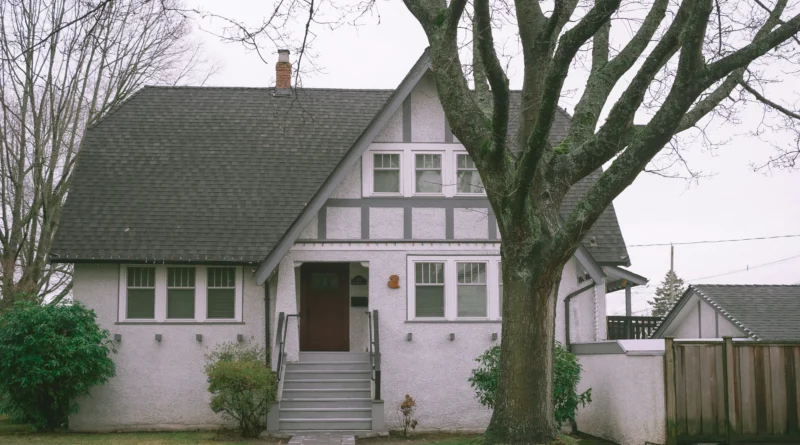
Colonial Revival is a top pick in the U.S. It lasts over time. The front looks even on both sides. There’s a door in the middle. Windows match up around it. Cape Cod houses look similar. But they are smaller. Their sharp sloped roofs handle snow okay. Tudor Revival stands out with wood beams and plaster walls. It has tall thin windows. These bring back old English country homes in hilly areas. One Cape Cod I remember from a trip to Massachusetts had that cozy feel, even if the winters meant shoveling the drive every morning.
Regional Vernacular Homes
Local ways of building use what’s on hand. They fit the area just right. In the Southwest, Adobe houses have thick dirt walls. These hold in heat at night when it’s cold. They keep out heat in the day when it’s blazing. Pacific Northwest homes use strong wood frames. This stands up to all the rain. Southern Plantation homes have big porches out front. Before air conditioners were common, those porches let air move through. They cooled the house on sticky summer days. Imagine a steamy afternoon in Louisiana. The porch shades the harsh sun. It grabs any light wind. The old wood floors don’t feel so damp. But high moisture can make paint chip if you don’t check it often. It’s those little things that make regional styles feel alive, not just functional.
Why Does Maintenance Vary Across Different House Styles?
Tasks to keep the house in shape often get overlooked when choosing a style. But they can make a huge difference in how much you enjoy it later on. Styles that are more detailed usually need extra fixes and checks.
Material Durability
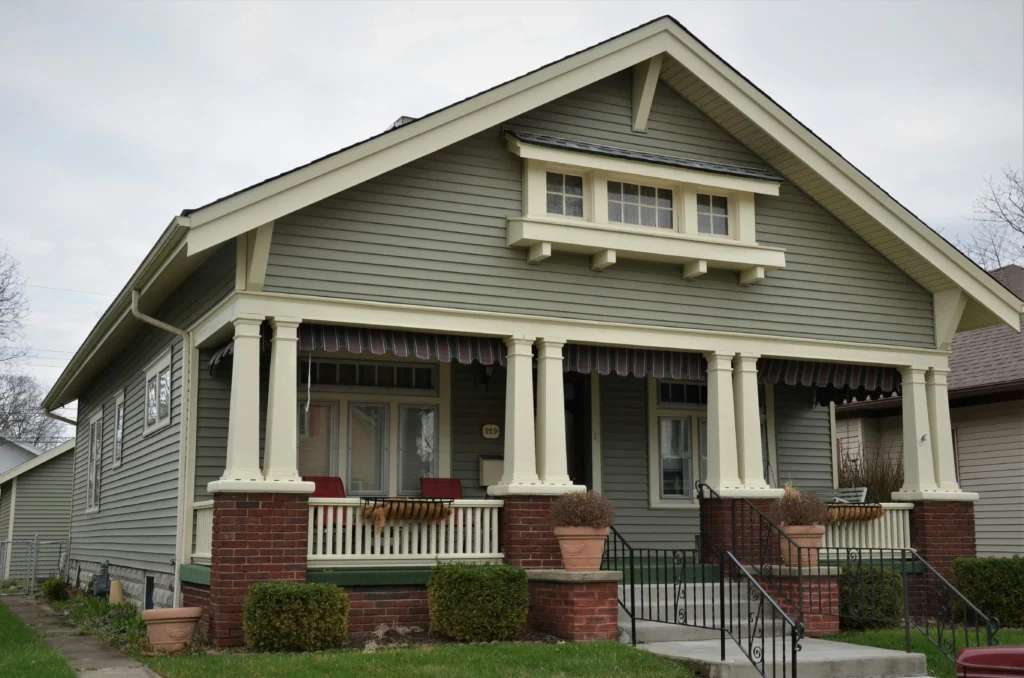
Brick or stone sides, like on Georgian or Federal-style homes, last a really long time. They take little work to keep going. They hold up against weather better than wood sides on Craftsman bungalows. Those wood ones need paint or stain jobs every so often. Modern homes with steel and glass keep bugs away fine. But to keep them shiny and clear, you need special cleaners. In humid spots, that glass can fog up if not wiped right, adding a chore you didn’t plan for.
Roof Design Complexity
How the roof is shaped affects money spent and how often you look it over. Flat roofs on Mid-Century Modern homes need regular checks. This spots leaks before they get bad. Steep gabled roofs on Victorian houses let water run off fast. But getting up there to fix things is hard because of the height and slant. In rainy towns like Portland, people call in pros for those tricky roofs. It can add surprise bills that pinch the wallet. One time, a neighbor paid $5,000 just for a roof patch after a storm, all because of the steep angle.
Decorative Detailing
Fancy trim adds a nice touch of style. But it breaks down quicker from wind and rain. Busy roof edges or wood supports in Queen Anne houses need fixes now and then. Plain sides on simple styles hold up better. They take less time and effort to maintain. It’s like the difference between a showpiece garden that needs daily weeding and a low shrub that grows on its own.
How Does Energy Efficiency Differ Among House Styles?
How a house saves energy links straight to its basic shape. It depends on which way it faces the sun. Walls have stuffing to block heat or cold. Windows are placed smartly. All this is built into the style.
Passive Design Principles
New Modern houses often use smart ways to heat and cool without machines. Big south-facing windows pull in winter sun for free warmth. Roof overhangs keep out strong summer rays. Tight shapes like in Ranch homes cut down on walls that let heat escape. Big Victorian houses with lots of add-ons lose heat easier from all the edges. Picture a small Ranch in the hot Arizona desert. It stays cooler inside. You don’t run the AC as much. That can cut your monthly bills by 10 to 15 percent. Local power company stats from recent years back this up. It’s a small win that adds up over a year.
Insulation Potential
Thick stone walls in Mediterranean or Adobe homes control hot and cold swings on their own. They soak up sun heat in the day. Then they let it out slow at night. Older wood houses from way back might need new filler to meet today’s save-energy rules. Adding that insulation isn’t always easy. Still, it shows in lower bills for lights and heat as time goes on. In colder states like Minnesota, retrofitting an old Colonial can pay for itself in three years through saved gas.
Integration of Technology
Fresh Contemporary homes put in smart tools for lights and air flow. They also have shades that move on their own. These match power use to what you need. Changing old historic houses is tough. Rules keep the old look in place. But you can add quiet updates. Like extra glass layers on windows. Or better stuffing in the roof space. A builder I heard about fitted solar fans into a 1930s bungalow not long ago. It didn’t change the outside charm. The owners saw their energy use drop by 25 percent right off. That mix of old looks and new fixes works well in many neighborhoods.
Which House Style Offers the Best Resale Value?
What buyers like changes with the market. Some house types keep drawing people in. They do this with their classic style or handy features. Look at sales data from fast-growing spots like Texas Hill Country. Updated Farmhouse styles sell for 12 percent more than the usual. Families go for that warm, lasting vibe mixed with today’s comforts. It’s not always the flashiest that win; sometimes it’s the one that feels like home.
Universally Popular Designs
Classic kinds like Colonial Revival or Craftsman keep a steady pull. They mix good looks with easy living. Their even shapes please lots of folks. So they make safe bets in most areas. In steady markets, these can hold value even when others dip.
Regional Demand Variations
In crowded city spots with little land, Modern townhouses do best. They use space well. Out in the suburbs, Ranch homes are liked for no stairs. By the coast, Beach Cottage styles rule. They focus on outside spots for fun by the water. People love them for relaxing. Especially in busy summer times when home prices jump up quick. In Florida keys, a good Beach Cottage might fetch 20 percent extra during tourist season.
Customization Flexibility
Buyers want plans that can shift later on. Open Modern homes are great for this. Non-load walls let you move rooms around easy. Older houses with heavy walls limit what you can do. It’s like picking a flexible drawing board over a set picture. The first one lets you add your own touches as life changes. That freedom can boost the home’s worth when you sell.
How Can You Match Personal Taste With Practical Needs?
Blending what you like with what you need leads to a choice that feels right inside and works well outside. Sometimes a style from a book looks perfect right away. But real use shows if it fits your days. Small tweaks might make it better for the long haul.
Visual Appeal Versus Functionality
A Gothic Revival outside can catch eyes with its bold look. But inside, few windows might leave rooms dark and closed in. Scandinavian Minimalist homes go for lots of light. That makes things feel open. The outside might seem basic. Yet the inside is bright and fresh. In northern towns with short days, that light really helps lift the mood during winter.
Long-Term Adaptability
Plan for how family life might shift. Kids growing up could fill a tiny cottage too soon. Older people like Ranch plans with no steps. Thinking about an empty house later saves big moves. In places like California, where people stay put longer, adaptable homes sell faster.
Neighborhood Context
Your house style should fit in with the ones next door. You don’t have to match exactly. But standing out too much can lower what buyers think it’s worth in tight groups. Homeowner groups or old-building rules often set what works. They aim to keep the area looking good together.
FAQ
Q1: What Is the Most Cost-Effective House Style?
A: Ranch-style houses are generally most affordable due to their single-story layout and simple construction methods that reduce labor costs.
Q2: Which Style Requires Least Maintenance?
A: Brick Colonial or Georgian homes tend to need less upkeep since brick resists weathering better than wood siding used in other traditional designs.
Q3: Are Modern Homes More Energy Efficient?
A: Yes, modern designs often incorporate passive solar orientation and high-performance glazing systems improving thermal comfort year-round.
Q4: What Style Best Fits Coastal Areas?
A: Beach Cottage or Key West-style homes suit coastal zones thanks to elevated foundations protecting against floods and wide porches providing shade ventilation.
Q5: Can Historical Styles Be Made Sustainable?
A: Absolutely—retrofitting older structures with insulation upgrades or renewable energy systems preserves character while enhancing environmental performance.