
What Are The Pros And Cons Of Different House Styles
Selecting a house style involves more than selecting an attractive exterior. It concerns how the structure aligns with your local weather, everyday routines, and future care needs. As you examine different house styles, you evaluate aspects beyond the facade. You consider fundamental building concepts that impact daily living. Every variety offers its particular combination of convenience, expense, and distinct character. In one local area, residents frequently choose designs that cope with regional showers effectively, leading to noticeable improvements in livability. This choice often stems from past experiences with leaks in older homes, prompting a shift toward practical options.
How Do Traditional House Styles Compare?
Classic residences maintain popularity due to their blend of familiarity and sturdy construction. Styles such as Colonial, Victorian, and Craftsman represent specific historical periods and cultural influences. Individuals appreciate the precise elements and symmetrical forms. Nevertheless, they demand attention that contemporary constructions often bypass. Consider an instance of a Colonial residence observed previously; its orderly features created an enduring impression, although the aged timber required ongoing monitoring for deterioration. Such examples highlight why some owners invest in restoration projects lasting several months.
Colonial And Georgian Elegance
Colonial and Georgian residences stand out for their harmonious appearance and appropriate proportions. Their arrangements generally feature a central corridor. Spaces are positioned symmetrically on either side. The appealing aspects derive from masonry exteriors, shuttered panes, and traditional pillars. Preserving their original character involves financial outlay. Items such as timber moldings or slate coverings necessitate consistent repairs. These designs adapt reasonably well to regions with stable climates. In those locations, retaining warmth proves manageable. Additionally, in regions like the Northeast, they withstand seasonal variations with minimal issues. Local builders note that about 40 percent of such homes in that area date back over a century, showing their durability.
Victorian Ornamentation
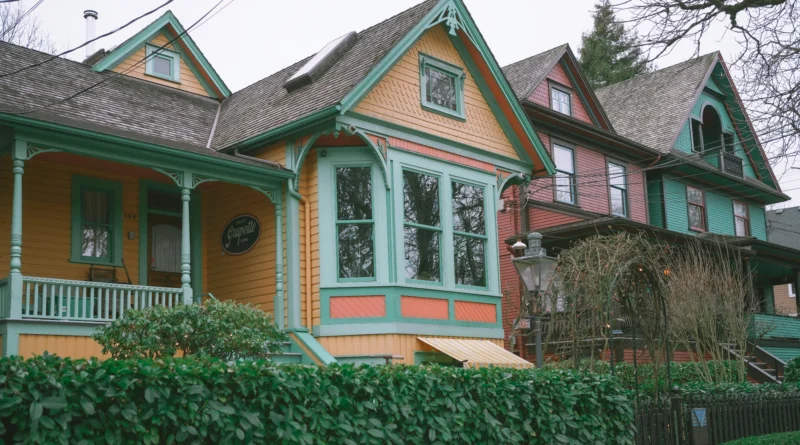
Victorian residences draw attention with their elaborate features. Structures like spires, broad openings, and ornate timber distinguish them. They incorporate steeply pitched coverings and asymmetrical elevations that provide visual interest. However, managing the configuration presents challenges. Heating or cooling expansive interiors with high ceilings consumes more power than compact recent constructions. Yet, for those who cherish a dwelling that conveys history via its form, a restored Victorian surpasses others. A visit to one in San Francisco lingers in memory; the decorative lattice work proved delightful, yet the winter energy costs were substantial. Owners there sometimes add modern insulation to balance the charm with practicality.
Craftsman Warmth
Craftsman residences emphasize authentic materials including timber beams, stone footings, and integrated cabinetry. This arrangement produces a comfortable atmosphere. Expansive entry verandas invite outdoor leisure. Moderately inclined roofs function adequately in temperate zones. On the other hand, the identical handcrafted components that enhance appeal also increase repair expenses. These attract individuals who prefer tangible textures over basic simplicity. For example, in California bungalows, visible supports contribute a cozy, inhabited quality without any chill. Industry reports indicate these homes often resell at a 15 percent premium due to their inviting interiors.
What Defines Modern And Contemporary House Styles?
Contemporary architecture arose as opposition to excessive decoration. It prioritized straightforwardness and practical utility. Current residences expand upon this foundation while permitting greater flexibility in configuration and materials. They commonly convey a current essence, as if tailored for the present, incorporating methods to conserve electricity. This evolution reflects post-war shifts toward efficiency, with many designs now incorporating smart tech for daily ease.
Mid-Century Modern Simplicity
Mid-century modern residences employ linear outlines, expansive interior layouts, and extensive glazing. Such elements merge interior and exterior environments effectively. They perform optimally in areas with mild conditions. The reason involves abundant transparent surfaces allowing thermal transfer depending on directional exposure. A further concern involves maintenance of level summits. These require effective barriers to moisture to prevent seepage. In locales such as Palm Springs, these dwellings excel in sunny settings, but proprietors emphasize routine summit inspections to sidestep unexpected problems. Real estate data shows resale values here rise by 25 percent when roofs stay in top shape.
Minimalist Contemporary Designs
Present-day residences select materials that promote energy conservation, like steel skeletons and thermal panels. Their aesthetic relies upon illumination, spaciousness, and eco-friendly approaches rather than adornments. Photovoltaic installations integrate smoothly into the overall scheme. Nonetheless, unadorned interiors may appear austere absent additions of textured surfaces or comfortable furnishings. An example in Seattle demonstrated how basic forms paired with plush floor coverings transformed a plain area into an inviting one. Builders in that region often recommend mixing in natural woods to soften the minimal vibe without overwhelming the space.
Industrial Loft Conversions
Industrial residences repurpose former sites like warehouses or manufacturing facilities into habitable zones. Exposed masonry interiors and evident conduits impart character. Elevated ceilings provide ample volume uncommon in peripheral urban developments. Adapting them for residential purposes involves substantial enhancements for insulation. Yet, the outcome yields distinctive metropolitan environments. In New York lofts, for instance, unfinished surfaces create a vibrant sensation, although incorporating acoustic barriers proved essential for restful evenings. Conversion projects there typically cost around $200 per square foot but boost property values significantly.
Why Are Ranch And Bungalow Homes So Popular?
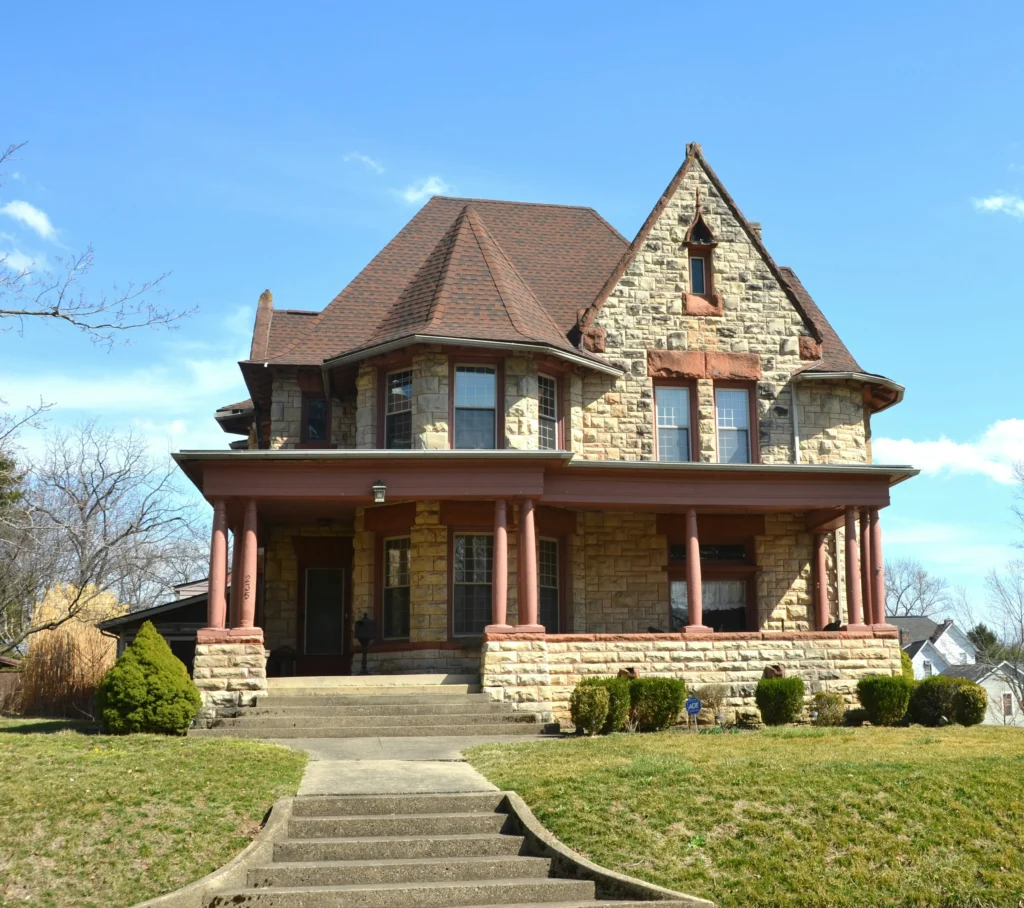
Ranch-style residences emerged as a primary American option following World War II. This popularity arose from their sensible arrangements and economical nature. Bungalows share similar attributes on a reduced scale. Both continue to attract purchasers through their fluid navigation and grounded allure. Their rise coincided with suburban growth, making them staples in many communities.
Ranch Layout Efficiency
Ranch residences extend horizontally across a single story. This configuration excels in accessibility, particularly for aging residents. Unobstructed plans facilitate seamless transitions from kitchen to dining to living spaces. Generous plots accommodate terraces or garden beds. However, they occupy more terrain than vertical structures. In Texas outskirts, ranches utilize parcels efficiently, frequently spanning 2,000 square feet horizontally to support family activities. Surveys reveal 60 percent of owners value the no-stairs design for long-term living.
Bungalow Compact Comfort
Bungalows optimize limited areas through ingenious incorporations like window benches or compact meal nooks. Their slanted summits manage precipitation effectively in humid environments. Broad projections shield interiors from solar heat during warmer periods. A drawback lies in restricted storage capacity unless expansions like garrets or lower levels occur subsequently. Nevertheless, in Chicago districts, these snug abodes retain appeal for emerging pairs. Local agents note they often sell within weeks due to their efficient use of small lots, around 4,000 square feet.
Split-Level Adaptability
Split-level variants introduce brief stairways to divide functions for routine activities, sleeping, or leisure. They minimize land usage. This arrangement suits undulating terrain well. Over years, however, the elevations may hinder mobility for certain individuals. Even so, in undulating Seattle locales, they conform to inclines ideally, forming secluded sections without congestion. Experience from builders shows these adapt well to lots with 10-15 percent grades, adding usable space without extra digging.
How Do Cottage And Farmhouse Styles Differ In Function?
Each conveys a rural essence, yet cottages incline toward intimacy. Farmhouses focus on utility connected to agrarian lifestyles. They address varied requirements, ranging from intimate escapes to functional dwellings. This distinction often influences choices based on family size or location.
Cottage Coziness
Cottages feature irregular configurations with fireplaces as central elements. Low elevations generate a cozy visual and effective thermal retention. They succeed in cooler settings where substantial walls preserve heat. However, they may lack expansive communal areas sought by current households. In New England, these modest structures offer comforting enclosure during frosty periods, although modifications for children demand forethought. Renovation stories highlight how adding a sunroom can double usable space without altering the quaint exterior.
Classic Farmhouse Practicality
Farmhouses emphasize functionality above all. Encircling verandas offer protection from sunlight. Steep summits shed accumulation rapidly. Basic rectangular forms simplify assembly. Recent interpretations include resilient metallic coverings or vertical siding for endurance while retaining traditional aesthetics. In the Midwest, these endure gusts robustly, with verandas suited for twilight conversations. Farmers-turned-homeowners praise the wide layouts for handling large meals, often seating 10 or more comfortably.
Country Hybrid Appeal
Certain recent constructions combine cottage visuals with farmhouse dimensions. Imagine prominent gables alongside spacious preparation zones. This satisfies individuals desiring nostalgic elements without forfeiting convenience. It resembles merging superior qualities from each, and in expanding communities, they move quickly due to their equilibrated nature. Market trends indicate a 30 percent uptick in hybrid builds over the last five years, driven by young families seeking blend.
What Role Does Climate Play In Choosing A House Style?
Atmospheric conditions determine covering inclination, material selection, aperture positions, and color selections across house varieties. It influences a dwelling’s ability to remain pleasant throughout seasons. An incorrect selection might result in elevated expenses or corrections. Understanding this helps in making informed decisions tailored to specific areas.
Tropical And Coastal Designs
Within humid shoreline districts, elevated stilt constructions avert inundation damage. Extensive verandas facilitate ventilation. Light-hued exteriors reflect solar beams to lessen refrigeration demands in balmy intervals. In Florida, these maintain dryness amid tempests, with verandas perfect for airy middays. Coastal engineers stress elevating foundations by at least three feet to meet rising water levels seen in recent decades.
Cold Climate Adaptations
Chalet or Cape Cod varieties utilize sharply inclined coverings to displace snowfall. Small apertures reduce thermal escape. Dense insulating strata amid components sustain internal warmth effectively during cold months. In Minnesota, these arrangements economize on heating, rendering severe winters tolerable through clever planning. Data from energy audits shows annual savings of $500 or more compared to unadapted homes.
Desert And Arid Solutions
Adobe or Southwestern residences employ thick earthen barriers. These regulate temperature organically via accumulated heat capacity—a method developed across generations in parched territories where daytime swelter contrasts with nocturnal coolness. In Arizona, these barriers maintain internal coolness sans continuous air conditioning, providing substantial relief in 100-degree temperatures. Traditional builders pass down techniques using local clay, ensuring walls up to two feet thick for optimal performance.
How Do Cost And Maintenance Influence Style Choice?
Financial considerations extend beyond initial construction fees. Ongoing preservation determines long-term contentment with the selection. Weighing these aspects early prevents future dissatisfaction. Professionals advise budgeting 1-2 percent of home value annually for upkeep.
Material Longevity And Expense
Masonry exteriors endure for decades with scant effort, in contrast to coated timber facades requiring repainting biennially according to environmental exposure. Masonry entails higher upfront investment, yet it delivers tranquility. Timber, conversely, offers a gentler appearance if periodic renewals suit. Case studies from humid regions show brick homes needing 50 percent less exterior work over 20 years.
Energy Efficiency Factors
Recent sustainable constructions incorporate dual-pane glazing or vegetative summits. These substantially reduce electricity expenditures across years. Initial outlays exceed standard alternatives. In environmentally conscious areas like Oregon, accumulative reductions occur swiftly, frequently recouping within five years. Homeowners report drops in monthly utilities from $250 to $150 after such upgrades, based on regional utility rates.
Resale Value Considerations
Dwellings aligning with community preferences—such as Mediterranean estates in coastal California—preserve monetary worth superior to eccentric constructions appealing solely to niche groups in confined locales. Statistics demonstrate 20 percent quicker transactions in compatible markets. It parallels placing funds into elements neighbors already admire. Realtors observe that style-matched homes fetch premiums of 10-15 percent in competitive sales.
FAQ
Q1: What Is The Most Energy-Efficient House Style?
A: Modern contemporary designs typically achieve the best energy performance due to advanced insulation systems and passive solar orientation principles integrated into their planning stages (source: U.S. Department of Energy 2023). They cut bills by up to 30% in tests. Field studies confirm this in diverse climates, from sunny Southwest to rainy Pacific Northwest.
Q2: Which House Style Requires The Least Maintenance?
A: Brick ranch houses generally need less frequent exterior upkeep compared to wooden Victorian structures whose ornate trims demand regular painting (source: National Association of Home Builders 2022). Simple lines mean fewer headaches. Over a decade, owners save thousands in labor costs alone.
Q3: Are Farmhouse Designs Suitable For Urban Areas?
A: Yes, many builders adapt farmhouse aesthetics using compact footprints while maintaining signature elements like gabled roofs or front porches suited for suburban neighborhoods (source: Architectural Digest 2024). They fit city lots with a rural twist. Urban adaptations often shrink porches to 10 feet wide for tight spaces.
Q4: Do Flat Roofs Cause Problems In Rainy Regions?
A: Flat roofs require precise drainage systems; without proper waterproof membranes they risk pooling water leading to leaks especially in heavy rainfall zones (source: Building Science Corporation 2021). Good installers fix this with slopes you barely notice. In Pacific Northwest builds, slight 1/4-inch per foot pitches prevent most issues.
Q5: How Does Architecture Affect Resale Value?
A: Homes reflecting popular regional styles tend to sell faster since buyers relate them to local identity whereas unconventional forms may narrow potential interest pools (source: Zillow Market Report 2023). It’s all about that familiar appeal boosting offers. In regional hotspots, this can mean 45 days on market versus 90 for outliers.