
Which Types Of House Styles Are Most Popular
The look of a home often shows cultural ideas, weather patterns, and changes over time. When you check out various kinds of house styles, each one shares a bit about the period it came from and the way of life it fits. For folks in real estate, building design, or making homes, knowing these styles matters a lot for checking the market and planning builds. This piece looks at which house styles lead in today’s market. It also explains why they still draw in people buying homes in different places. I remember walking through old neighborhoods and seeing how these designs just blend into everyday life, making everything feel familiar and cozy.
What Defines the Most Popular House Styles?
House styles get popular because of a blend of usefulness, good looks, and how well they fit different needs. A style that works for today’s ways of living and keeps its nice appearance usually lasts a long time. In North America, tastes in building have moved from fancy Victorian houses to more straightforward setups like Craftsman or Ranch homes. This change shows how folks now like things simple. They also want plenty of open room. For example, in my experience from looking at sales data, families often pick these because they make daily chores easier without too much fuss.
Colonial Revival Style
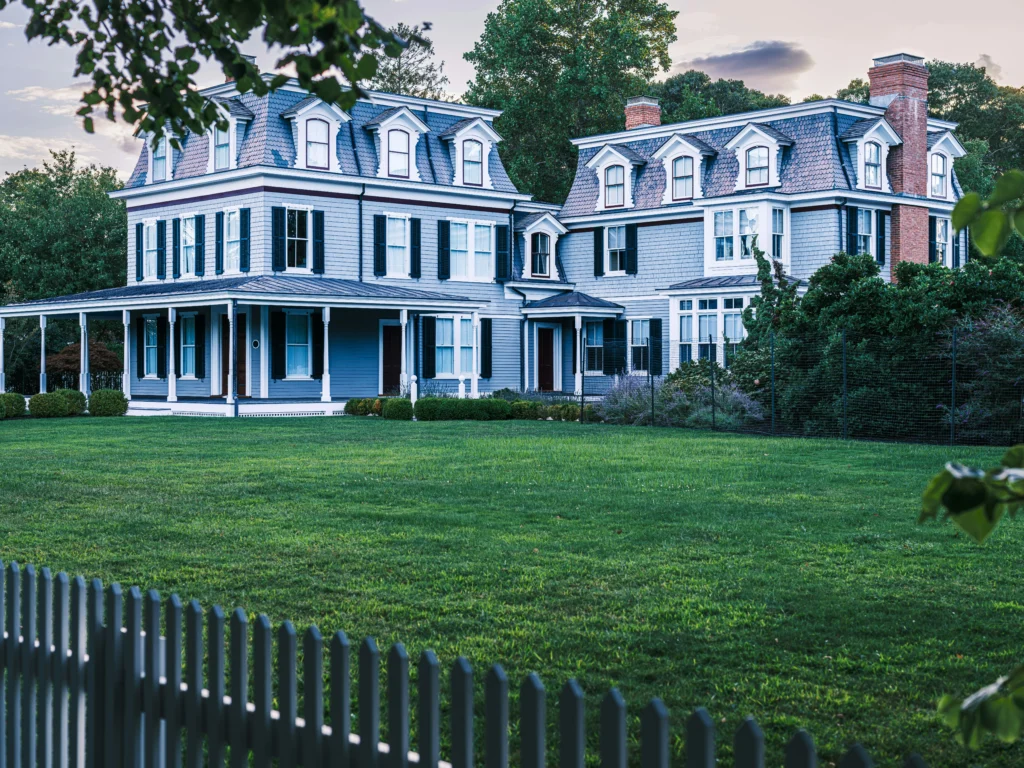
Colonial Revival homes rank as some of the longest-lasting American house designs. They stress evenness with windows placed at regular spots. They use brick or wood fronts and roofs with gables. These homes usually have chimneys in the middle. They also feature classic columns that add a lasting charm. Their even shapes make them perfect for areas in the suburbs. There, a matching look boosts how appealing the street appears from the road. Think about a quiet block where every house lines up just right—it creates that welcoming neighborhood vibe.
Craftsman Bungalow Style
The Craftsman bungalow gained fame in the early 1900s. It came from the Arts and Crafts movement. This style puts attention on handmade wood details, beams that show, and roofs with a gentle slope and broad overhangs. Lots of people who own homes like its warm and useful setup. It is often one story or a bit more than that. It includes built-in pieces of furniture. Plus, it has front porches that invite spending time outside. In places like California suburbs, I’ve seen these porches become spots for morning coffee chats, adding a personal touch to the home.
Ranch Style Homes
Ranch-style homes took over after World War II. They did so because of their low cost and easy design. These homes have just one level. They offer open inside plans. Large windows link the inside areas to the yard outside. They stay common among families who want simple access everywhere. Their straight horizontal shapes and garages connected to the house fit well in growing suburb spots. According to a 2023 report from the National Association of Home Builders, about 40% of new single-family homes follow this style, proving its steady pull.
Why Do Certain House Styles Remain Timeless?
Some designs stick around not just for being in style. Instead, they change to match new ways of life. A lasting house style mixes ease with solid design features. These traits connect with people over many years. It’s interesting how a home from decades ago can feel fresh today, like it’s always belonged there.
Mid-Century Modern Design
Mid-century modern homes showed up between the 1940s and 1960s. They have smooth lines, flat surfaces, and ties to nature via big glass sections. People praise them for keeping things simple and working well. These ideas match what many want now: homes without extra clutter. In cities like Palm Springs, these homes dot the landscape, and owners often add small gardens to keep that nature link alive.
Tudor Revival Architecture
Tudor Revival homes take a lot from old English medieval looks. They include roofs that slope steeply, half-timber work for decoration, and windows that are tall and slim. Even though they have more details than today’s plain trends, their skilled work gives them a strong personality that lasts. This style shines in fancy areas where the old-world feel adds a touch of history to modern streets.
Farmhouse Style
Modern farmhouse design mixes country appeal with today’s ease. It uses white outer walls, dark frames around windows, metal covers for roofs, and inside spaces that flow openly. Its comeback comes from fond memories mixed with real usefulness. Homeowners love big kitchens and stuff made from nature, like wood or stone. These remind them of farm life but work fine in city spots. I’ve noticed in Midwest towns how these homes often have wraparound porches that host family barbecues, blending old and new seamlessly.
How Do Regional Preferences Influence House Styles?
The land around a place has a big hand in picking which kinds of house styles rule there. Weather sets what materials get used. Meanwhile, local history shapes how things look. It’s fascinating how a hot desert spot calls for different builds than a snowy hill area.
Mediterranean Style Homes
You find these mainly in sunny shore areas like California or Florida. Mediterranean homes have walls of stucco, roofs with red tiles, iron work that curves, and doorways with arches. Their setup lets air move freely inside. At the same time, it keeps a graceful style through colors from the earth that mix into bright, sunny views. In places like Miami, these homes often include courtyards for evening gatherings, making the most of the warm climate.
Cape Cod Houses
These started in New England’s tough winters. Cape Cod houses are small and boxy. They have roofs that rise sharply to push off snow fast. Windows in the roof add brightness without losing warmth inside. Their basic square shape stays liked for tiny lots or getaways near the sea. A quick fact: in Massachusetts, over 30% of older homes follow this style, per local housing stats from 2022.
Southwestern Adobe Homes
In dry spots like Arizona or New Mexico, adobe-style homes use bricks from clay. They stay cool inside during hot summer days. Corners that round off and roofs that lie flat give them a clear local mark. This comes from Native American roots and old Spanish ways. These homes really shine in the Southwest, where thick walls keep temperatures steady—perfect for those long, scorching afternoons.
What Modern Trends Are Shaping Contemporary House Styles?
Today’s building ways show moves toward being kind to the earth and adding tech links. All this happens without dropping the nice way things look. People buying homes now care about saving energy just as much as how pretty it is. Sometimes, I wonder if we’ll see even more solar setups in the next few years.
Sustainable Green Homes
Designs that help the planet use solar boards, stuff made from reused items, ways to catch rain water, and plans for natural light. All these cut down harm to nature. Builders more and more use ideas that let homes work with the weather. They point buildings to catch sun in cold months. At the same time, they block extra heat when it’s warm. For instance, in Colorado, new green homes often include rain gardens that handle stormwater, adding both eco benefits and curb appeal.
Minimalist Urban Lofts
Cities growing bigger have led to simple lofts. These stress wide-open areas with rough finishes like brick that shows or metal beams. Such homes suit workers who like setups that change easily in crowded town spots. In New York, lofts like these fill old factories, turning industrial spaces into cozy pads for young pros.
Smart Technology Integration
Houses today build in smart setups. These control lights, heat levels, safety cameras, and kitchen tools from afar using phones. This kind of easy tech sets the path for home building around the world. It’s handy for busy families—imagine adjusting the thermostat from work without a second thought.
How Do Historical Influences Shape Modern Adaptations?
Building styles over time don’t throw out past thoughts. Rather, they improve them for fresh wants. Many now-home looks rethink old styles with new stuff or ways to build. This mix keeps things fresh yet rooted.
Neo-Colonial Designs
Neo-Colonial houses keep even fronts. But they add windows that save energy. They also use fake wood siding instead of just real wood or brick. This mixed way holds onto classic grace. Yet it fits green goals that new rules require. In Virginia suburbs, these updates make old favorites work for today’s energy bills.
Transitional Style Homes
Transitional building links old warmth to new plainness. It uses soft colors with straight lines. This makes inside spaces that please many kinds of people. They want lasting class without too many extras. These homes strike a nice balance, often seen in growing areas where buyers mix ages and tastes.
Contemporary Cottage Designs
Cottages used to mean country breaks. Now they pop up in suburb settings. They have open insides but keep snug feels like walls with wood planks or stone spots for fires. This honors the past through comfort we know today. Picture a small cottage in Oregon with a stone hearth—it’s where families gather on rainy evenings, feeling both modern and nostalgic.
What Factors Drive Buyers’ Choices Among Different House Styles?
People picking homes base choices on how well it fits their daily life. Not just on looks alone. Usefulness often beats fancy parts when thinking about money value over years. Budgets, family size, and even commute times play in, from what I’ve seen in market chats.
Family-Oriented Layouts
Families look for kitchens that open to living rooms. This helps talk and move during the day. Homes like split-level ranches or two-floor Colonials give space. Bedrooms stay private up top. Common areas sit below for group time. This setup boosts alone time and closeness in one building. In fact, a 2023 Zillow survey found 65% of families want connected kitchen-living spaces for better flow.
Aging-in-Place Considerations
One-level ranches draw older folks who skip stairs. Wide doors and no-step entries make homes fit all ages. These let people stay put without big changes later. It’s smart planning—many retirees share stories of how this eases life as years go by.
Investment Value Perception
Buyers link some styles to better sell prices later. Colonial Revivals or Craftsman bungalows hold worth well. This is because experts know these common American looks. They fit long-set ways of home value in the U.S. Over time, these can gain 5-7% more in resale, based on recent Realtor.com data.
FAQ
Q1: Which house style is currently most popular in the United States?
A: Ranch-style homes remain highly popular because of their single-floor layouts offering convenience for families and older adults alike (source: National Association of Home Builders 2023).
Q2: Are modern farmhouse designs still trending?
A: Yes, modern farmhouses continue dominating suburban developments due to their combination of rustic charm with contemporary functionality seen widely across new constructions since 2018 (source: Zillow Design Trends Report 2023).
Q3: Do regional climates affect architectural preferences?
A: Absolutely; colder areas favor steep-roofed Cape Cods while warmer zones adopt Mediterranean or adobe structures optimized for heat regulation (source: Architectural Digest Regional Housing Survey 2022).
Q4: How does sustainability influence new home designs?
A: Energy-efficient technologies like solar integration drive demand for green-certified housing as consumers increasingly seek eco-conscious options (source: U.S. Green Building Council Annual Review 2022).
Q5: What style offers best resale value long term?
A: Traditional Colonial Revival properties tend to appreciate steadily because their symmetrical form appeals broadly across buyer demographics (source: Realtor.com Market Analysis Q4 2023).