

Will The Facade For Building Design Define The Next Era Of Architecture
The Evolving Role of the Building Façade in Contemporary Architecture
In today’s architectural landscape, the façade for building design has evolved into a sophisticated system that blends aesthetics, performance, and environmental intelligence. Once viewed as a decorative shell, it now acts as a mediator between structure and environment. This transformation is reshaping how architects conceive spatial identity and sustainability in urban contexts.
Redefining the Façade Beyond Aesthetic Boundaries
The façade has transitioned from being a mere visual statement to a multifunctional architectural component that integrates structural, environmental, and experiential functions. It no longer just defines the character of a building but also regulates light, air, and energy exchange. Designers increasingly treat façades as dynamic interfaces—responsive layers that connect interior comfort with exterior conditions. In this sense, the façade becomes part of the building’s living system rather than its static skin.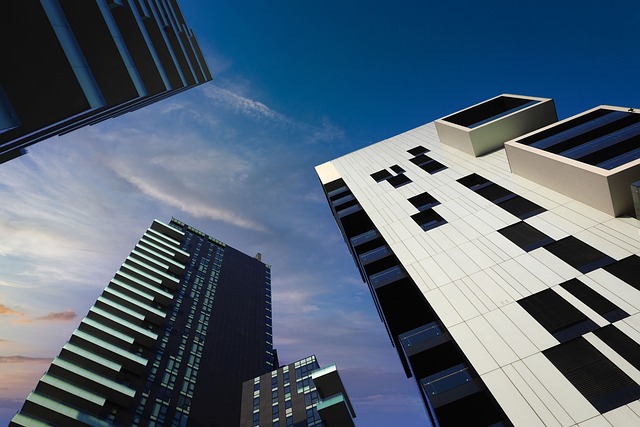
The Influence of Technology and Sustainability on Façade Innovation
Digital technology has opened new frontiers for façade innovation. Parametric design tools allow architects to experiment with complex geometries while optimizing performance criteria such as solar gain or ventilation flow. Sustainability goals are equally driving material research—lightweight composites, low-carbon claddings, and recycled metals are replacing traditional materials. As cities pursue net-zero targets, façades now contribute directly to energy generation and conservation, making them active participants in climate-responsive architecture.
Smart and Responsive Façades: Adaptive Systems for a Changing Climate
As climate variability increases, buildings must adapt in real time to shifting environmental conditions. Smart façades are emerging as critical tools in this adaptive architecture movement.
Integration of Environmental Sensors and Control Systems
Smart façades integrate sensors that monitor sunlight intensity, temperature, humidity, and wind pressure. These systems automatically adjust shading devices or ventilation panels to maintain optimal indoor comfort while minimizing energy use. Through advanced control algorithms, façades can autonomously respond to weather changes—closing louvers during storms or opening vents for natural cooling. This automation reduces reliance on mechanical HVAC systems and enhances occupant well-being through consistent thermal balance.
Dynamic Materials and Kinetic Mechanisms
Material science plays an essential role in responsive façade design. Electrochromic glass changes transparency based on electrical input; shape-memory alloys adjust form when exposed to heat; kinetic panels move according to solar orientation. These mechanisms enable façades to modulate daylight penetration and thermal insulation dynamically. The result is an envelope that behaves almost like an organism—reactive yet efficient—bridging architecture with engineering precision.
Sustainable Materials and Circular Design Principles in Façade Construction
The push toward decarbonization has transformed how materials are sourced and assembled for modern façades. Circularity is becoming a key principle guiding design decisions.
Use of Recyclable, Bio-Based, and Low-Carbon Materials
Architects increasingly specify bio-composites made from agricultural by-products or mycelium-based panels that absorb carbon during growth phases. Recycled aluminum claddings reduce embodied energy compared with virgin metals. Life-cycle assessment tools help quantify environmental impacts from extraction to disposal, allowing informed material choices that align with sustainability certifications such as LEED or BREEAM. Local sourcing further strengthens regional identity while cutting transportation emissions—a practical step toward reducing overall carbon footprints.
Modular Design for Disassembly and Reuse
Prefabricated façade modules simplify installation and future maintenance while supporting reuse strategies at end-of-life stages. Design for disassembly ensures components can be separated without damage, promoting circular economy principles across construction cycles. Modular systems also offer scalability—whether applied to high-rise towers or smaller civic buildings—allowing consistent quality control across diverse project types.
Integration of Energy Generation Within Building Envelopes
Energy-producing façades mark one of the most promising directions for sustainable architecture today.
Photovoltaic Façades as Energy-Producing Skins
Building-integrated photovoltaics (BIPV) seamlessly embed solar cells into curtain walls or spandrel panels without compromising visual quality. Transparent PV glass allows daylight penetration while generating electricity—a dual function ideal for office towers or institutional buildings seeking self-sufficiency. By turning vertical surfaces into power generators, BIPV contributes to decentralized energy networks within dense urban areas where roof space is limited.
Thermal Energy Management Through Innovative Envelope Systems
Façade systems now incorporate double-skin configurations that create ventilated cavities between layers of glazing or cladding. This setup moderates heat gain during summer and retains warmth in winter through controlled airflow paths. Phase-change materials embedded within panels store excess heat during the day and release it at night for passive temperature regulation. Hybrid envelopes combine insulation with dynamic adaptability—balancing transparency with thermal efficiency throughout seasonal variations.
Digital Fabrication and Parametric Design Shaping Future Façades
Computation has fundamentally changed how façades are conceived and built—from concept modeling to onsite assembly.
Computational Design for Performance Optimization
Parametric modeling empowers architects to manipulate geometry based on performance data rather than intuition alone. Simulation software predicts outcomes such as daylight distribution or structural stress before fabrication begins, reducing costly revisions later in construction phases. Data-driven workflows ensure each façade element meets both visual intent and measurable performance benchmarks—a crucial factor when balancing artistry with engineering rigor.
Advanced Manufacturing Techniques Transforming Construction Processes
Additive manufacturing (3D printing) enables custom production of intricate façade components using minimal raw material waste. Robotic assembly improves precision during large-scale installations where manual labor might introduce inconsistencies. Digital-to-physical workflows foster tighter collaboration among architects, engineers, and fabricators—accelerating project delivery timelines while maintaining craftsmanship quality rarely achievable through conventional means.
Cultural Expression and Human Experience Through Façade Design
Beyond technology lies the human dimension—the façade’s power to communicate cultural identity and shape sensory experience.
The Façade as a Medium for Identity and Communication
Architectural skins often act as storytellers reflecting local heritage through textures or patterns derived from traditional motifs. In contemporary practice, interactive façades use LED lighting or media projections to animate public spaces after dark, transforming static surfaces into communicative canvases. Contextual sensitivity remains vital: even the most experimental designs must engage respectfully with their surroundings while expressing innovation authentically tied to place.
Enhancing User Experience Through Sensory Interaction
Material tactility influences how occupants perceive comfort; rough stone evokes permanence whereas smooth metal suggests modernity. Light modulation affects circadian rhythms; acoustic treatments reduce urban noise intrusion inside offices or homes. By considering these sensory factors early in design stages, architects craft façades that not only perform technically but also nurture emotional connections between people and built environments—a subtle yet powerful measure of architectural success.
Emerging Trends Defining the Next Era of Architectural Envelopes?
Looking ahead, façade design will continue converging digital intelligence with ecological consciousness—a synthesis shaping tomorrow’s urban fabric.
Convergence of Digital Intelligence, Ecology, and Artistry
Future façades will integrate artificial intelligence capable of learning user behavior patterns alongside ecological systems like green walls that support biodiversity. Collaboration among disciplines—from computational scientists to artists—will produce hybrid creations merging utility with beauty. This cross-pollination signals an era where technology amplifies creativity rather than constrains it.
Toward Regenerative Architectural Skins
The next frontier moves beyond sustainability toward regeneration: façades capable of purifying air pollutants through photocatalytic coatings or harvesting rainwater via porous membranes integrated into their structure. Such innovations redefine buildings not merely as consumers but contributors within ecosystems—living infrastructures fostering healthier cities for generations ahead.
FAQ
Q1: What makes modern façades different from traditional ones?
A: Modern façades integrate structural support, environmental control, and aesthetic expression into one system rather than serving purely decorative roles.
Q2: How do smart façades respond to environmental changes?
A: They use sensors linked to automated controls adjusting shading or ventilation based on sunlight intensity or temperature variations.
Q3: Why are modular façade systems gaining popularity?
A: Modular designs allow easier maintenance, adaptability over time, reduced waste during disassembly, and scalability across building types.
Q4: Can photovoltaic façades replace rooftop solar panels?
A: In many dense urban contexts they complement rooftops by utilizing vertical surfaces efficiently for renewable energy generation.
Q5: What is meant by regenerative architectural skins?
A: These are advanced envelopes designed not only to minimize harm but actively restore ecological balance by cleaning air or collecting water resources.