
Modern vs Traditional Home Architectural Styles Compared
Home architectural styles go beyond simple looks. They show cultural beliefs, advances in technology, and personal ways of life. When you compare modern and traditional designs, you see two different ideas about space, shape, and daily living. Each style brings its own good points, weak spots, and background history. These factors affect how folks dwell in their places right now.
What Defines Modern Home Architectural Styles?
Modern home architectural styles focus on plainness, straight lines, and usefulness. These houses usually have wide-open floor plans. They include big windows that link inside areas to the outdoors. The main idea comes from the early 1900s modernist movement. That group turned away from fancy decorations. Instead, they welcomed fresh materials like steel and concrete.
Minimalist Design Principles
Modern architecture cuts out extra bits to spotlight the basic build and shape. You will spot neutral colors often—think white, gray, or beige. These mix with natural feels like wood or stone. This way makes a quiet view. It lets light shape the feel of a room in big ways. For instance, in a sunny afternoon, that light can turn a plain living room into a cozy spot without much effort.
Integration of Technology
Smart home setups fit right into modern houses. Things like automatic lights, temperature controls, and power-saving gadgets match the modernist push for new ideas. Glass walls with sun protection or solar panels on roofs show how tech boosts ease and green living. I recall a friend who added solar panels to his flat roof. It cut his bills by about 30 percent in the first year alone.
Open-Concept Living
Builders keep walls to a minimum. This creates bendy areas for living, eating, and working. Such openness boosts chats among people. But it calls for smart plans to handle noise and private spots. In city spots where room is tight, the open setup makes small homes seem bigger. It also ties them closer to the world outside. Picture a family in a compact urban flat— the kitchen flows into the lounge, so cooking dinner turns into a group event without anyone feeling squeezed.
How Do Traditional Home Architectural Styles Differ?
Traditional home architectural styles pull from old-time examples like Colonial, Victorian, or Craftsman touches. These plans put symmetry, skilled work, and pretty details first. They give off a warm, rooted feel.
Decorative Detailing
Things like crown moldings, wainscoting, and fancy staircases mark traditional insides. Materials such as brick, wood shingles, or stone walls build a lasting sense. Every little part adds to a steady air, not something trial-based. In older neighborhoods, you might see these details on houses from the 1800s, still standing strong after all these years.
Spatial Organization
Modern layouts differ from traditional ones. Traditional homes split rooms by purpose. The dining spot stays apart from the kitchen or living area. This setup offers private zones. Yet it can make areas feel boxed in, unlike the smooth flow of modern styles. For example, a classic family home might have a formal dining room just for meals, keeping everyday messes out of sight.
Material Authenticity
Traditional architecture prizes real natural stuff. It values their look and touch. Hand-made wood pieces or iron railings show worker skill that factory lines seldom match these days. These choices create a homey vibe, like the rough feel of a wooden beam that tells stories of careful crafting.
Which Style Offers Better Energy Efficiency?
Energy saving relies on basic design ideas and build tech, not just the style alone. Still, modern homes often edge ahead. They weave in green systems from the start.
Passive Design Strategies
Big windows facing south in modern builds let in winter sun for free warmth. Overhangs stop too much summer heat. Traditional homes can use these tricks too. But they might need updates to match the results. Take a mid-century modern house I visited—its windows kept the place toasty without cranking the heat, saving on gas bills during cold snaps.
Insulation and Building Envelope
New stuff like insulated concrete forms or special low-heat glass cuts down on energy waste. Older traditional builds, made before today’s rules, may need extra padding or better windows. This brings them up to speed. In fact, adding insulation to an old Victorian can drop heating costs by 20 to 40 percent, based on what builders say.
Renewable Energy Integration
Solar panels slip nicely onto flat or gentle slopes common in modern roofs. Steep peaks on traditional ones make it trickier. But old places can add green power in subtle ways, like in yards or side buildings. One historic home owner I know put panels on a garage roof—out of sight, yet it powers half the house now.
What Are the Cultural Influences Behind Each Style?
Building styles always echo the culture around them. What folks hold dear at a certain time shows up in their homes. It’s like a snapshot of society.
Modernism as a Reflection of Progress
After World War II, hope in tech shaped building thoughts across the globe. Tall glass-and-steel towers stood for quick work. Home versions followed suit. They trusted smart plans to meet people’s needs better than showy bits. This shift came from a world eager for change, and it stuck in suburbs everywhere.
Tradition as Continuity of Heritage
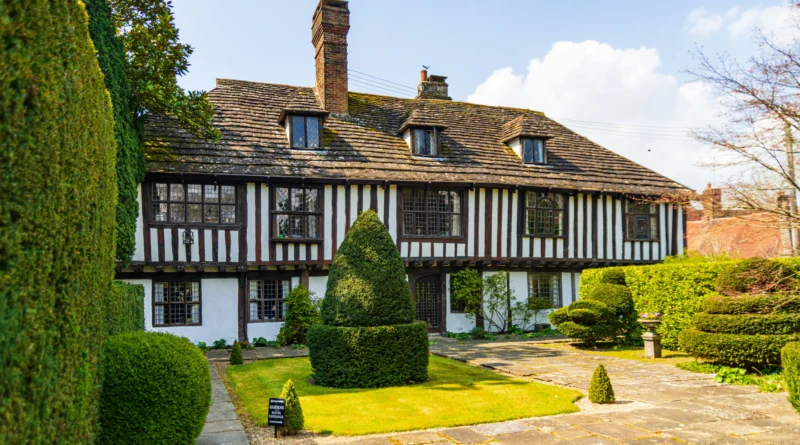
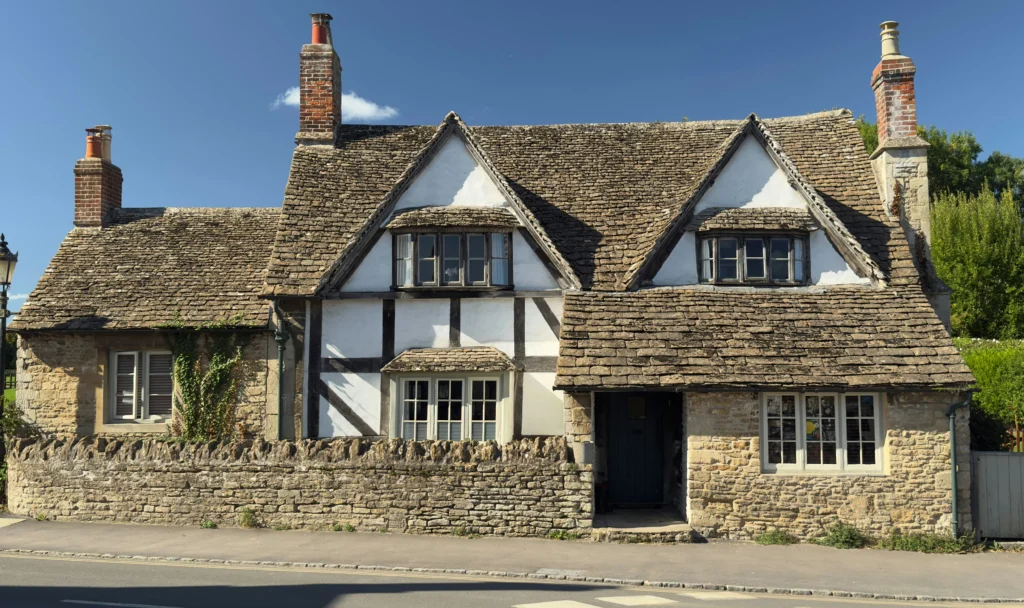
Traditional styles hold local flavor. Mediterranean spots with clay roofs fit hot areas well. Tudor homes with wood frames bring back northern Europe skills. Picking one ties you to family roots over fresh trends. In places like New England, Colonial styles remind owners of early settlers’ ways, passed down through generations.
Globalization’s Impact on Hybrid Forms
Today’s builders often blend old looks with new tricks. Imagine a farm-style outside with plain insides, or hidden smart features in a classic front. This mix shows worldwide views mixed with local fits. It’s common now, especially in growing cities where people want both comfort and a nod to the past. Honestly, these hybrids feel more real in a mixed-up world.
How Do Costs Compare Between Modern And Traditional Homes?
Cost gaps come from design trouble, material picks, and work effort in each method. They can surprise you sometimes.
Construction Expenses
Modern homes look basic at first. But they need exact work for clear builds—think wide glass or sticking-out parts. That care can bump up the price, even without frills. A simple modern build might run 10 to 15 percent more upfront due to those engineering needs, from what I’ve seen in quotes.
Maintenance Requirements
Traditional houses call for more fixing up. Wood sides weather over time, for one. Modern ones with concrete or fake covers hold up better against wear. So, yearly upkeep might cost less for sleek designs. But if you love the charm, that extra polish feels worth it, like waxing an old car to keep its shine.
Resale Value Considerations
Buyer tastes change with the market. Some chase old-world appeal, others want clean lines. Where you live counts too—a classic home shines in old districts. A modern one suits fresh city spots. In hot areas like California, modern flips often sell quicker, pulling in tech-savvy crowds.
How Does Lifestyle Influence Style Preference?
Daily habits guide choices between these paths. Homes shape how you spend time, more than just how they look. It’s personal, really.
Family-Centered Living
Traditional setups work for families who prize alone time. Bedrooms sit upstairs, formal eating spots down. They build habits around group meals or meets in set areas. In a big household, this keeps chaos at bay, letting kids play without bugging adults.
Flexible Work-From-Home Spaces
Modern wide plans shift easy to new uses, like home offices or art corners. No big changes needed. Sliding walls add options that stiff old plans lack. With more folks working remote these days—say, since 2020— this flexibility saves headaches and cash on renos.
Emotional Connection To Space
Some find peace in old touches. The squeak of wood floors or smell of old oak brings a sense of home that smooth walls miss. Others like clear spaces for sharp minds and calm thoughts, as in modern rooms. It’s funny how a creaky door can make a place feel alive, while blank walls let you breathe easy. Both pull at the heart in their own way.
FAQ
Q1: What Is the Main Difference Between Modern And Traditional Home Architectural Styles?
A: Modern styles emphasize simplicity and technology integration while traditional ones focus on craftsmanship and historical aesthetics.
Q2: Can A Traditional Home Be Made Energy Efficient?
A: Yes, through upgrades like better insulation, double-glazed windows, and renewable energy systems adapted discreetly into existing structures.
Q3: Which Style Is More Expensive To Build?
A: Costs vary by material choice; intricate detailing raises expenses for traditional builds whereas structural precision increases costs for some modern designs.
Q4: Do Modern Homes Age Well Over Time?
A: If constructed with durable materials such as steel frames or reinforced concrete they maintain integrity well though trends may shift aesthetically faster than classics do.
Q5: Is It Possible To Combine Both Styles?
A: Absolutely—many contemporary projects mix traditional exteriors with minimalist interiors achieving balance between familiarity and innovation without compromising comfort or performance.