
What Are The Best Facade Ideas for Modern Homes
Modern architecture puts the façade right at the heart of design and style. It is more than a simple wall between inside and outside. It shows a person’s taste, care for the environment, and use of new tech. Homeowners, architects, and designers look for new façade ideas. They want to mix good looks with strong performance. This piece looks at main questions about current façade thoughts. It gives useful tips on materials, uses, and creative paths.
Why Are Facade Ideas So Important in Modern Architecture?
A home’s façade sets the first view people get. It shapes how light comes in. It handles privacy. And it links the building to its surroundings. In today’s homes, façades do not stay the same. They react to weather. They change looks with materials or shade setups. They even add smart tech.
Visual Identity and Character
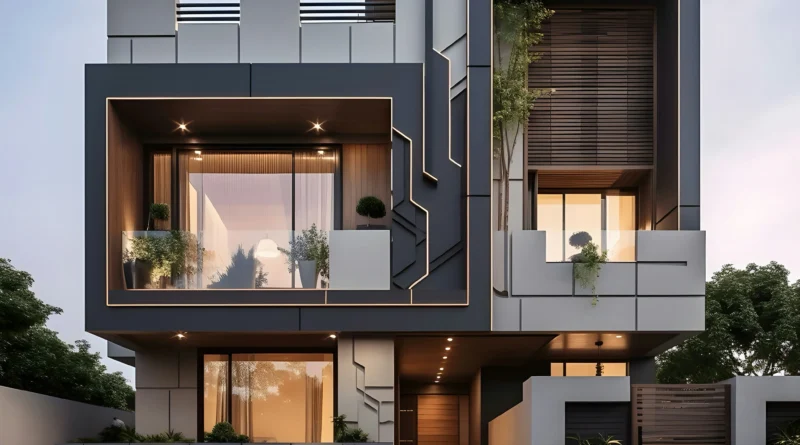
The façade forms the style language of a home. Straight lines, sharp shapes, or soft bends all tell a story about the owner. Simple façades with concrete or glass point to class and calm. On the other hand, rough covers or wood strips bring a cozy feel and touch. Many builders use color differences or uneven parts to add layers. This works without making things messy. I recall a project in Seattle where they mixed gray concrete with white accents. It gave the house a fresh, welcoming vibe that fit the rainy climate perfectly.
Functional Role in Energy Efficiency
Façades act as go-betweens for the environment. A smart outside layer manages heat buildup, air flow, and day light. Passive ways, such as movable blinds or double-layer walls, cut down on power use. They keep the inside comfy. Reports from building studies note that good façades can lower cooling needs by as much as 30% in hot areas (source: Energy and Buildings, Elsevier, 2021). Think about a house in Texas. There, they used overhangs to block the strong sun. It saved on air conditioning bills each summer.
Integration with Landscape and Context
Today’s façades often match their setting. They do not overlook it. For instance, a beach home may have rust-proof metal sheets that match sea colors. In a city row house, brick or fiber cement holds up against dirt from traffic. At the same time, it fits with nearby buildings. One example comes from a hillside spot in California. The façade blended stone at the base with glass up top. This tied the home to the rocky terrain without clashing.
What Materials Work Best for Modern Facade Ideas?
Choosing materials sets the look and how long it lasts. The best mix makes upkeep simple. It also boosts heat control.
Glass Facades for Transparency
Glass stays a key part of modern looks. It joins inside rooms to the outdoors. Full-height windows let in plenty of light. But they need shade tools to stop too much heat. Low-emissivity coatings help with warmth block. They keep the view clear. In a real case, a family in Chicago added large glass panels. It made their living area feel open, but they added sheer curtains for those bright afternoons.
Metal Cladding for Durability
Aluminum composite panels (ACP) and corten steel work well for smooth, tough façades. They stand up to bad weather. ACP lets you pick colors and finishes easily. Corten steel gets a rusty look over time. This protects it on its own. These fit clean designs where exact details matter. A builder in New York used corten for a small apartment block. The patina added character after just two years, turning heads on the street.
Natural Stone and Timber for Warmth
Stone covers like limestone or granite bring a classic grace. Timber covers add feel and comfort. Special treated wood, such as thermally modified ash, lasts in wet spots. Pairing stone at the bottom with wood on top gives a steady look. It grounds the whole structure. I’ve seen this in a cabin near the Rockies. The stone base felt solid against the wind, while the wood warmed up the upper floors nicely.
How Can Sustainability Be Incorporated into Facade Design?
Being kind to the planet now leads most new façade work. It goes beyond just labels. It means real results that last for years.
Use of Recycled or Renewable Materials
Used wood boards or reused metal pieces cut down on harm to nature. They keep the style strong. Bamboo mixes grow fast and are popular. Some types ready in five years. This beats hardwoods that take much longer. In one eco-project in Portland, they reused old barn wood for the front. It not only looked rustic but also saved trees from being cut down fresh.
Passive Cooling Techniques
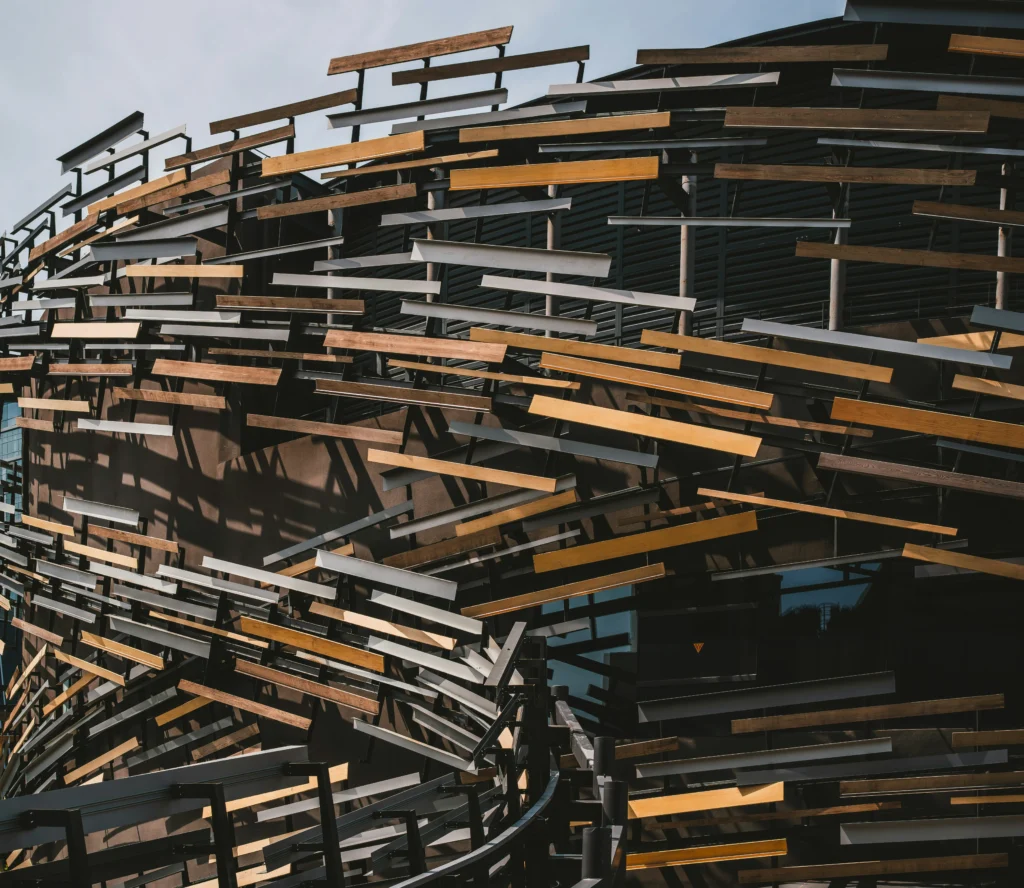
Builders now make façades that handle sun paths and breezes on their own. Tall fins or hole-filled screens let in air. They block harsh light. This method shows up a lot in warm, wet areas. It cuts the need for fans or coolers. Picture a home in Florida with screen walls. They kept the inside cool without extra power, even on the hottest days.
Green Walls and Living Facades
Plant-covered façades clean the air near homes. They work as natural heat barriers. Options go from basic vines on frames to full green setups with water lines built into the walls. A study in London showed one such wall dropped nearby temps by 5 degrees on busy streets. It made the whole block feel fresher.
What Role Does Technology Play in Modern Facade Ideas?
New tech turns façades from fixed covers into smart setups that adjust.
Smart Glass Systems
Electrochromic glass lets you change how see-through it is. Sensors or phone apps do the job. This helps with bright light without shades. In an office building in San Francisco, they installed this. Workers could tweak the tint from their desks, making meetings glare-free.
Parametric Design Tools
Builders use software like Rhino + Grasshopper to test light on surfaces. They do this before building starts. It places materials in the best spots for power savings and style. One team in Australia modeled a curved façade this way. It cut energy use by 15% right from the plans.
Integrated Lighting Solutions
LED strips fit into façade seams. They light up the night in fun ways. No wires show in the day. Some match the outside light on their own. For a modern villa in Miami, hidden LEDs created a soft glow after dark. It highlighted the clean lines without overpowering the design.
How Do Regional Factors Influence Facade Choices?
Weather, local ways, and rules all guide what fits best for looks and work.
Climate-Responsive Designs
In very warm spots like Dubai or Phoenix, shade comes first. Screens like old mashrabiya patterns use aluminum grids. They stop direct sun but let air through. In cold places like Scandinavia, triple-glazed windows with warm panels hold in heat well. A home in Sweden used these to stay cozy through long winters, saving on heating costs by 20%.
Cultural Expression Through Materials
Local stories shape material picks. Japanese houses like cedar sides burned with shou sugi ban for lasting strength. Mediterranean spots use stucco that shows hand work from the area. In Italy, one villa’s stucco walls caught the sun just right, blending old craft with new lines.
Compliance with Local Codes
Fire rules limit some covers in tall buildings. This came after events like Grenfell Tower. So, creators mix fresh ideas with safety needs when picking parts. In the UK now, many opt for tested panels that meet strict checks without losing appeal.
How Can You Combine Aesthetics With Functionality?
Real wins happen when nice looks team up with real use. This marks top modern building.
Layered Façade Systems
Multi-part setups put heat boards behind air-flow covers. They handle water well. They add visual layers with shadows between parts. A layered front in Berlin used this to stay dry in rain while playing with light all day.
Modular Prefabrication Approaches
Ready-made façade parts speed up building. They keep quality high away from the site. This shows in home projects across Europe since 2018 (source: Architectural Review, 2022). One factory in Germany made modules that snapped together fast, cutting build time in half for a new neighborhood.
Adaptive Shading Elements
Auto-moving blinds shift with light sensors. They balance inside light. They keep the outside look even as the day changes. In a sunny spot like Arizona, these louvers opened wide in the morning and closed by noon, keeping rooms just right.
What Are Emerging Trends in Facade Design?
Design folks keep trying new things. They aim for bold yet careful answers that match changing lives. Sometimes, it’s fun to see how these trends mix old ideas with fresh twists.
Hybrid Material Combinations
Blending glass with rough ceramics gives a mix of smooth see-through and solid touch. This suits small custom homes that want unique style without too much extra. A boutique place in Tokyo paired them for a front that shifted looks from day to night.
Biophilic Integration Concepts
Façades now copy nature shapes. They use repeating patterns from leaves or sea life. This links built spots to wild areas people feel drawn to (Journal of Environmental Psychology, 2020). In a park-side home in Vancouver, leaf-like cutouts let light dance inside, making it feel alive even in winter.
Dynamic Kinetic Façades
A few test buildings have panels that move with the sun. Machines make this happen. It turns green features into a show, not just hidden help. While pricey now, early tests hint at smaller home use soon. Imagine a backyard setup that waves gently in the breeze—practical and eye-catching.
FAQ
Q1: What is the most cost-effective modern facade material?
A: Fiber cement boards offer affordability combined with low maintenance needs compared to stone or metal options while maintaining clean modern aesthetics suitable for various climates.
Q2: How do green walls affect building temperature?
A: Green walls reduce surface temperatures by up to 10°C during summer months according to research by the University of Sheffield (2019), improving microclimates around dense urban areas significantly.
Q3: Can smart glass be retrofitted onto existing homes?
A: Yes, modular electrochromic units can replace standard glazing panes if existing frames support electrical integration safely per manufacturer guidelines issued by Saint-Gobain Glass (2021).
Q4: Which facade type requires least maintenance?
A: Powder-coated aluminum cladding resists corrosion effectively needing only periodic cleaning unlike untreated timber which demands resealing every few years depending on exposure conditions.
Q5: Are kinetic facades practical for residential use?
A: While still rare due high costs currently limited prototypes show potential scalability once actuator mechanisms become more compact offering homeowners customizable shading experiences soon possible at smaller scales too.