
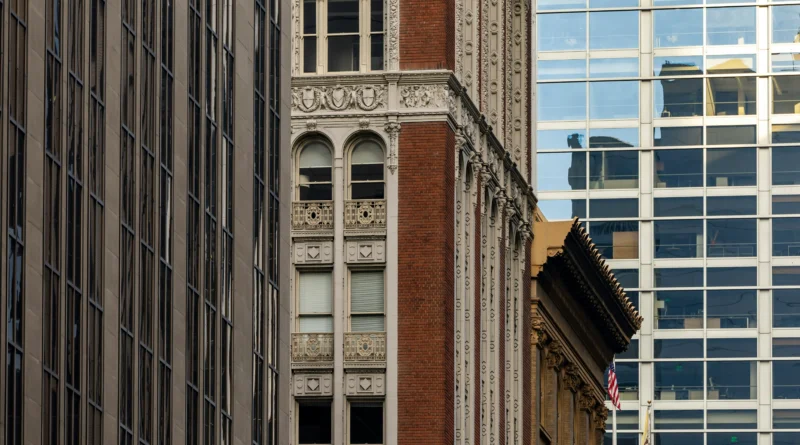
What Are The Most Popular Facade Styles
Architectural facades help shape the way buildings connect with their surroundings. They give a building its unique look. These facades show local culture too. Often, people judge a structure from its outside long before they enter. If you check out buildings around the world right now, you’ll see that facade styles go beyond simple trends. They mirror weather patterns, new tech, and community spirit. This piece looks at the top facade styles in both old and new buildings. It breaks down how they work for looks and practical needs.
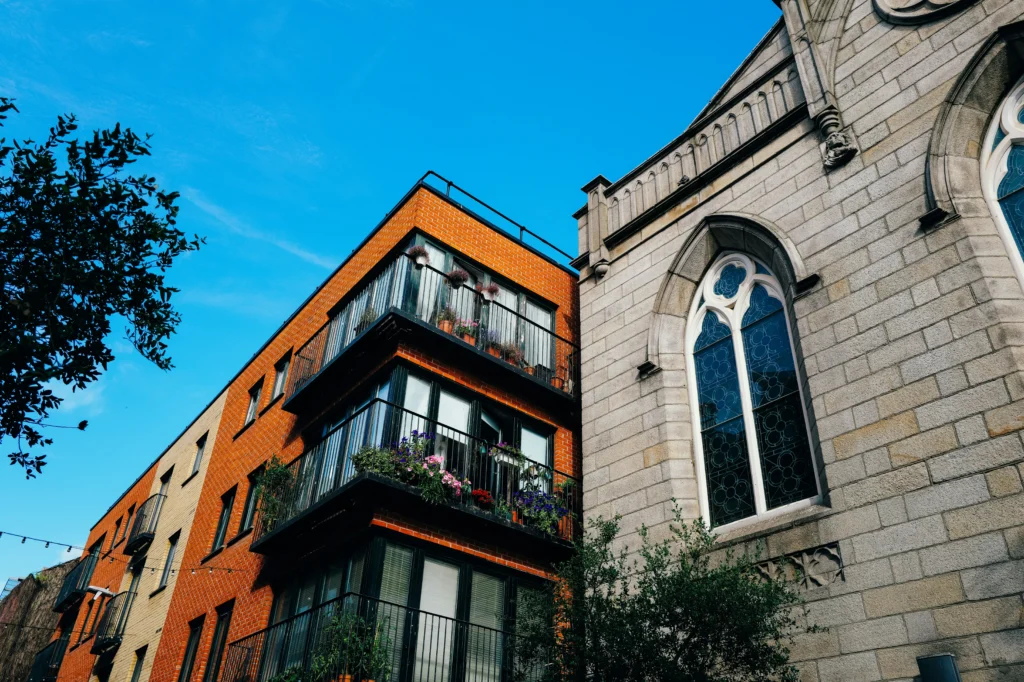
Why Do Facade Styles Matter in Modern Architecture?
A building’s facade does more than just look nice. It acts as a key layer that mixes style, usefulness, and strength. Architects call facades the “public face” of a building. That’s because they link inside comfort to outside factors like sun or breeze. Picture it as a setup that meets energy rules. At the same time, it shows the designer’s ideas.
Visual Identity and Cultural Expression
Facade styles share tales of location and era. Take the fancy facades on old European Baroque spots. They point to riches and skilled work. On the other hand, plain glass fronts in big cities today show clearness and tech advances. Every style holds special signs. Materials, sizes, and decorations all add to how a culture comes through.
Functionality and Environmental Response
Today’s facades add things like shade setups, double layers, or air-flow panels. These help keep inside spaces comfy in terms of heat. In warm areas, folks use rock or hole-filled metal covers to cut down sun heat. In chilly spots, thick curtain walls hold in warmth. So, picking a facade style turns into a smart fix for weather issues. It’s not only about how it looks.
Material Innovation and Sustainability
New material know-how has changed facade work in the last 20 years or so. Think of reused aluminum covers or glass that makes power from sun. Designers now mix green ways with strong sights. Plus, smart materials that change with light or heat point to the future. Facade styles might shift with the weather in coming days. I recall a project in my local area where they tried early versions of this—it cut energy bills by about 15%, based on what the builders shared.
What Defines Classic Facade Styles?
Old-school architectural facades still guide many designs. They focus on even shapes, matching parts, and solid handiwork. Modern creators study these for good reason. When you look close at classical builds, every bit—from roof edges to side posts—fits structure and pretty flow.
Neoclassical Symmetry
Neoclassical facades stress evenness with posts, triangle tops, and windows set at equal spots. They pull from old Greek and Roman ways. But they cut back on fancy bits for simple views. Lots of public spots around the globe use this look. It gives a feel of power and lasting strength. For example, many town halls in the U.S. follow this pattern, drawing from 18th-century designs.
Gothic Verticality
Gothic facades stand out with sharp curves, rib supports, and detailed patterns that pull your gaze up high. Places like Notre-Dame de Paris show this up-and-down push. It aims to lift spirits toward something greater. New takes on it use thin metal frames or punched panels. These keep that tall, hopeful vibe. In one recent church redo in Europe, they added such elements, and visitors said it felt just as inspiring as the originals.
Renaissance Proportion
Renaissance builders brought back old orders. They added exact math tied to body sizes. Facades from then have windows placed in good balance. They keep decorations light. This even setup still shapes school or office builds. There, respect and clear lines matter most. It’s like how libraries often use these ideas to feel welcoming yet grand.
How Have Contemporary Facade Styles Evolved?
Current facade planning steps away from extra decorations. It heads toward looks driven by how well they work. Still, even basic shapes can show bold personality if done with care. Over time, these changes have made buildings more adaptable to city life.
Minimalist Glass Curtain Walls
The glass curtain wall turned famous in tall city towers from the mid-1900s. Think of Mies van der Rohe’s Seagram Building. Its straight lines mean openness. But it needs careful build work for heat control. Now, these often have special coatings that block heat. Or they add built-in shades for less power use. In places like New York, you see tons of these—probably over 70% of new offices use some form, per city planning reports.
Parametric Designs
Tools for parametric work let creators make tricky patterns. These fit sun paths or wind flows. You spot them on art spots or company grounds. There, fresh ideas shine in the look. The surfaces seem natural but come from math tweaks for better work. One cool example is the Heydar Aliyev Center in Baku. Its wavy form uses this tech, and it draws crowds for both art and smart design.
Mixed-Material Assemblies
Blending wood and metal, or rock and glass, adds touchable differences. This builds richer views. Such mixed fronts suit home areas well. They mix cozy feel with fresh style. Wood eases hard metals. Yet it keeps lasting power. In suburbs, I’ve noticed how these make neighborhoods feel alive without looking too plain.
Which Regional Influences Shape Facade Styles Today?
Local weather and ways of life keep forming area differences. This holds true even as global styles spread.
Mediterranean Warmth
Plaster walls in light shades like white or yellow bounce back sun rays. They help keep insides cool. Curved doorways and wood covers let air in. They guard privacy too. This setup fits shore areas from Spain to Greece. It’s been around forever. In summer, these homes stay 10 degrees cooler inside, according to some old studies from the region.
Scandinavian Simplicity
Countries up north like plain wood covers made tough against rain. Their fronts mix with tree areas. They use soft shades from nature—grays, browns, light greens. This brings a quiet, easy feel over bold shows. It’s practical for long winters. Many cabins there use this, and it blends so well you hardly notice them in the woods.
Middle Eastern Screens (Mashrabiya)
Old mashrabiya wood grids block strong sun from deserts. They let breezes flow into rooms. Today’s builders remake this with cut metal sheets or printed patterns. These join old skills with new making ways. In Dubai’s hot spots, updated versions cut indoor heat by up to 30%, helping with those scorching days.
What Role Does Technology Play in Modern Facade Design?
Tech now sets how facades handle things like power needs or light amounts.
Smart Glass Systems
Glass that changes with power shifts its see-through level. It reacts to sun strength or what people want. This cuts bright light without covers. It keeps outside sights clear. It’s a big step for comfort in work towers. Offices with this report happier workers, as it adjusts on its own without fuss.
Digital Fabrication Techniques
Machines for cutting and robot builds allow exact custom work in big amounts. Creators can make detailed shapes that hands couldn’t do before. This cuts waste with spot-on digital plans. In factories, this speeds up jobs—think panels done in days instead of weeks.
Energy-Generating Surfaces
Covers that make power from sun turn outer walls into energy makers. Some add thin sun films right into glass parts. So the whole front helps make electricity. It skips just roof setups. Projects like this in Germany generate enough for small buildings, showing how everyday facades can power daily life.
How Do Sustainable Practices Influence Facade Styles?
Green habits change looks by focusing on full-life use over quick views. This shift makes buildings last longer and cost less to run.
Recycled Materials Usage
Designers pick reused bricks or panels from old junk. This cuts down carbon from making new stuff. It adds special worn looks that fresh items miss. In urban renewals, these materials give a story feel, like old factory bricks in new lofts.
Passive Design Integration
Shade parts aimed at sun tracks lower cool needs on their own. No machines required. These simple tricks shape the front’s form. It becomes a tool for weather control and style. For instance, in Australian homes, such fins save about 20% on AC use yearly.
Green Walls and Living Facades
Plant-covered setups bring plants to city spots. They boost air clean-up near packed areas. More than that, living fronts ease hard city views. They change colors with seasons. In places like Singapore, these walls cool streets and add a bit of nature to concrete jungles—visitors love the fresh touch.
FAQ
Q1: What Is the Main Purpose of a Building Facade?
A: It works as both a shield layer and a style link between inside rooms and outside world. It balances weather handling with building looks.
Q2: Which Facade Style Is Most Energy Efficient?
A: Double-skin or air-flow facades often give top heat hold by making an air space that controls temp shifts over the year.
Q3: Are Traditional Facade Styles Still Relevant Today?
A: Yes. Many new works remake old patterns with fresh stuff like poured rock sheets or cut metals. This keeps past ways in modern spots.
Q4: How Do Architects Choose Materials for Facades?
A: Picks come from weather needs, care hopes, money limits, nearby supplies, and wanted look traits. It matches shape to use in green ways.
Q5: Can Facade Design Increase Property Value?
A: Yes. Unique but smart facades boost front charm. They draw renters quick. Plus, they lower running costs. These points raise long-term worth a lot. Real estate facts from RICS in 2022 back this up.