
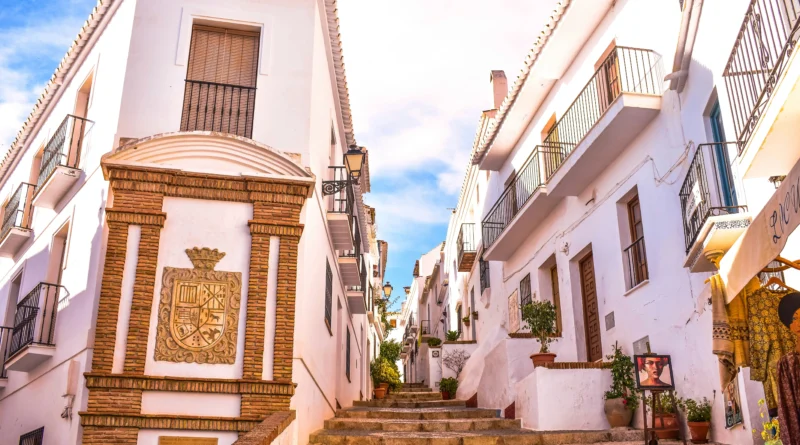
What Types Of House Styles Are Timeless
Building designs change over time. But some house styles stay popular for years. These homes mix good shape, solid work, and easy living. That mix makes them wanted by people across many years. When you check out the kinds of house styles that last forever, you see how they fit with local ways and weather. At the same time, they keep a pull that draws people in.
Why Are Certain House Styles Considered Timeless?
Each time period adds its own mark to building styles. Yet only a handful keep feeling fresh after many years. The main cause is their ability to change with the times. They also touch deep feelings in people. Houses that use real stuff like wood or rock, even shapes, and plain looks grow old in a nice way. Why? Because they show lasting ideas about what people value. They skip quick fads that come and go.
Classical Architecture And Symmetry
Old-style building forms the base for designs that last. It uses posts, even fronts, and straight patterns. This creates a sense of staying power. Picture Greek Revival houses or Georgian ones. Both use even balance and right sizes from old ideas of what looks good. These places often have brick or stone outsides. They stand up to weather well. Over years, they keep their nice feel without fading.
Craftsmanship And Material Quality
Houses made with strong stuff like wood, rock, and brick hold up for a long time. The feel of these items adds a cozy touch. Fake materials seldom match that warmth. Take hand-cut parts on wood edges or stone curves. They bring real depth. Machines can’t make the same. Good building lets these homes get fixed up. So they don’t need full rebuilds when tastes change. I recall a old brick house in my neighborhood. It got a new roof after 50 years. Still looked great.
Adaptability To Modern Living
A big reason some house styles last is how they fit new ways of life. Colonial or Tudor homes keep their old outsides. But inside, they can add big open rooms or tech for smart homes. This doesn’t hurt their main look. So they stay useful as family lives shift over time. For example, a Tudor house might get a bigger kitchen now. Yet it keeps the charm from way back.
What Defines The Charm Of Traditional American House Styles?
Old American homes pull from Europe roots. But they change them with local stuff and daily habits. Their appeal comes from being known. People see them in kid memories or old movies. They give a homey feel that’s both yours and tied to the past. It’s like walking into a place that hugs you with history.
Colonial And Cape Cod Heritage
Colonial homes go back to 1600s New England spots. There, real needs shaped the build: a middle chimney for warmth, boxy plans for easy use, and covered windows against bad storms. Cape Cod small houses grew from that. They have sharp sloped roofs to fight sea winds. Inside, they offer snug rooms around a fire spot. Think of a Cape Cod home on the shore. It stands through gales year after year.
Victorian Elegance And Ornamentation
Victorian building grew big in the factory boom time. New ways to make things let folks add fancy wood work and metal bits. These houses show towers, side windows, colored glass, and porches all around. All that makes decor like an art piece. Even with all the extras, kept-up Victorian homes hold their worth. It’s the skill in build and past stories that do it. One in San Francisco has lasted over 100 years. Owners love the details.
Craftsman Simplicity And Human Scale
Craftsman homes started in the early 1900s. They came from the Arts and Crafts push. These places stress true materials and clear builds. You see open wood beams, slim posts, low roofs with wide edges. They seem friendly. Every part has a job and fits right for everyday use. Not just for showy size. In places like Pasadena, these homes dot the streets. People pick them for the real feel.
How Do Modern And Contemporary Styles Achieve Timelessness?
New styles don’t always fade fast. Some plain ones have shown they stick around. That’s because they focus on clear ideas over quick looks. Straight lines and big open areas can work for many years. If builders do it with care, they last. Sometimes, a simple modern home surprises you. It fits right in after 30 years.
Mid-Century Modern Functionality
Mid-century modern homes boomed from the 1940s to 1960s. They blend easy ways with fresh ideas: flat sides, big glass to link inside and out, built-in seats for smart use. Their aim on real living over fancy bits keeps them new even now. You find them in quiet suburbs or city fixes. A friend redid one in the 80s. It still looks sharp today.
Minimalist Design Principles
Minimalism cuts building to the basics: bright light, room to move, good sizes. Done right, it feels calm, not empty. It’s a soft kind of fancy from holding back on extras. Plain colors and real feels let your stuff or pictures add the spark. The building itself stays simple. In small city spots, this works wonders. No clutter, just peace.
Sustainable And Passive Features
Builders today mix new looks with care for the earth. They add sun-facing plans, air flow from nature, reused stuff. This helps save power. It also makes homes fit for years ahead. As folks care more about green ways, these stay wanted. A home with good light paths or heat-holding walls will draw buyers long term. It matches comfort and right choices for the planet. Stats show green homes sell 20% faster now.
Which European Influences Continue To Shape Timeless Homes?
Europe building ways have sparked many American changes. They keep their pull in their own lands too. Their long life comes from years of tweaks to fit local weather and ways of life. From stone farms in France to cozy huts in England, they adapt yet stay true.
Mediterranean Warmth And Texture
Mediterranean homes come from Spanish redo styles or Italian yards. They have plaster walls, red tile tops, curved doors, open yards with sun and plants. These fit hot areas well. They mix inside and out life. Plus, they keep rooms cool on their own. In places like Florida, folks copy this for shade and breeze.
French Country Comfort
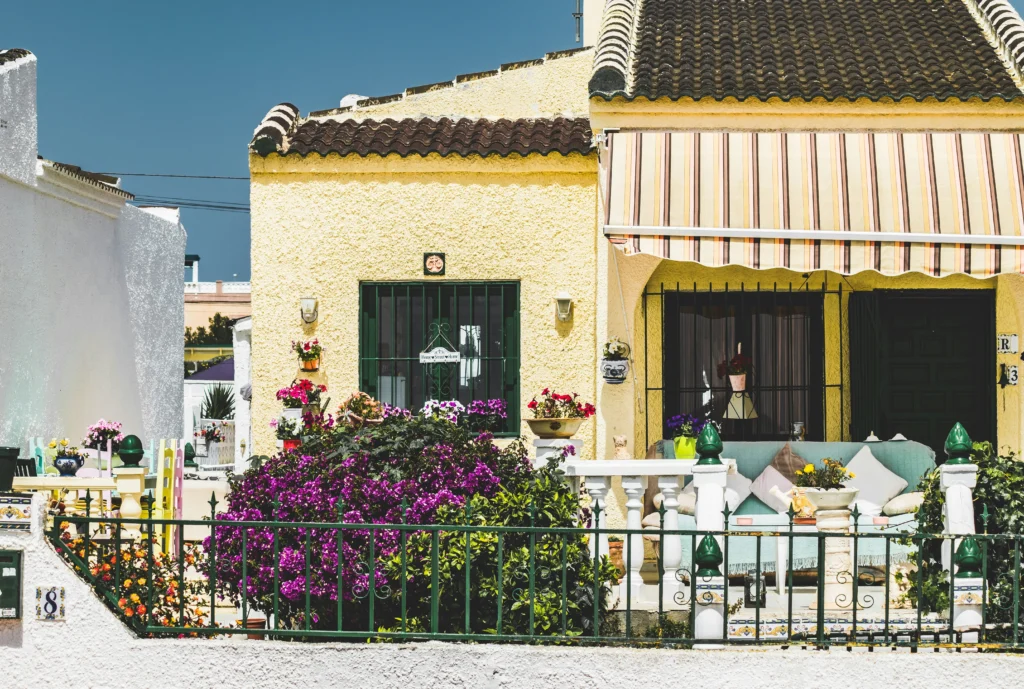
French Country houses mix rough charm with fine touches: stone fronts with wood covers; sharp roofs hitting round top windows; gentle colors like country fields in Provence or Normandy. They bring a quiet class without show. It’s the kind of home that feels like a warm hug after a long day.
English Cottage Romance
English cottage look stays loved for uneven plans, peaked roofs with slate or straw tops in old spots, small windows with vines around. It’s a fairy tale feel based on hand work, not rich fads. In the countryside, these dot hills. They make you want to sip tea by the fire.
How Does Regional Context Influence Timeless Design?
Weather and land shape builds more than style whims. What lasts in one spot often starts from real needs. Then it turns into a look people keep. From hot south to cold hills, local ways build strong homes.
Southern Plantation Grandeur
Big porches that shade high windows mark Southern plantation builds. This fights sticky heat with air flow before cool air machines came. Now, the same ideas spark new decks for outside time in milder spots. In Georgia, these verandas host family meals under fans.
Mountain Lodge Solidity
In cold areas like Colorado or Montana, wood-frame spots with rock bottoms guard against snow. They mix right into rough lands. This match of safe spot and view never gets old. Hikers love these for the sturdy feel after a day out.
Coastal Retreat Simplicity
Along shores from Maine to California, wood-shake beach homes use tough stuff and wide sights. Their soft colors match sand hills or sea fog. So they blend and age well in place. A Maine one might face waves daily. Still stands tall after storms.
What Role Does Interior Layout Play In A Home’s Timeless Appeal?
The outside catches the eye first. But how rooms connect decides if you like living there each day. Long-term pull rests a lot on how areas fit changing lives. Good flow makes a house feel right, no matter the years.
Open Yet Defined Spaces
Lasting insides balance big open spots for hanging out and set areas for alone time. This idea shows up from 1950s flat homes to now lofts. It keeps things connected but private. In a family home, the kitchen flows to the den. Yet bedrooms stay quiet.
Natural Light As A Design Element
Windows placed for sun change how a room feels. They cut power needs too. Roof windows over steps or high ones in halls make tight spots seem bigger. No big changes needed. Morning light in a breakfast nook wakes you gently.
Proportion And Flow Consistency
Be it old or new outside, rooms lined by size links make inside harmony. Door heights fit roof lines; views stretch through rooms to keep a beat in moves each day. This rhythm makes the place feel whole. Walk from hall to living room. It just flows smooth.
FAQ
Q1: What makes a house style truly timeless?
A: A mix of even sizes, strong stuff like wood or stone, fit for new life ways, and a heart tie from known past keeps some house styles lasting forever. It’s not just looks. It’s how they feel at home.
Q2: Are modern minimalist homes likely to stay popular?
A: Yes. Plain designs that stress room and sun fit easy over years. They skip extra decor linked to short trends. In busy lives, less stuff means more calm.
Q3: Why do traditional American styles still attract buyers today?
A: Their known shapes bring steady feel and old memories. Plus, they let real fixes like big cooking areas or power-saving setups. All without losing the main charm. Buyers see value in that blend.
Q4: How does sustainability contribute to timelessness?
A: Green parts like sun heat plans or reused stuff match long use with good choices. Homeowners worldwide pick these more each year. It’s smart for now and later.
Q5: Can regional architecture influence global trends?
A: Yes. Local fixes from weather fights often spark wide ideas. Take Mediterranean yards. They shape now inside-out living around the world. From LA to Sydney, folks want that open air feel.