
How Many Types Of House Styles Should You Know
Home design goes beyond just architecture. It shows cultural history, weather conditions, and individual preferences. When you look into the types of house styles, you see how each one shares a tale via its build, materials, and sizes. If you work as an architect, real estate agent, or design fan, learning the key groups lets you spot patterns and help clients with ease.
What Defines Different Types Of House Styles?
Each building style carries its unique traits. These make it easy to spot right away. You can often spot a home’s style from its roof shape, window form, wall covering, and extra touches. Such features come from location and time period. For instance, homes near the sea usually have big porches and lifted bases to deal with moisture and water overflow. Desert homes, on the other hand, use flat roofs and solid walls to stay cool.
Architectural Elements And Proportions
You can spot most house styles by their shapes and balance. Colonial homes like even fronts with a middle door and windows placed the same on both sides. Victorian styles show uneven looks with towers and sticking-out windows. Modernist homes toss out old ways. They use wide-open insides and huge glass areas that mix inside and outside spaces. I recall walking past a colonial house in my neighborhood; its perfect setup always caught my eye, like a picture from history books.
Materials And Construction Techniques
Materials tell a lot about a home’s character, just like its shape does. Brick marks Georgian houses in the eastern U.S. Stucco rules Spanish Revival builds in the Southwest. Wood framing matters a lot in Craftsman bungalows. It puts the focus on skilled work instead of fancy extras. Picking materials also impacts upkeep. Wood calls for steady sealing. Concrete holds up for years with little effort. In rainy spots, folks pick vinyl siding because it fights off mold better than plain wood, based on what builders share from years on the job.
Cultural And Historical Influences
House styles change with society’s shifts. The Industrial Revolution brought cheap factory-made pieces. That sparked detailed Victorian looks. After World War II, suburbs grew fast. This brought Ranch houses to the scene. They were simple, one-floor spots for bigger families. Lately, green living worries have brought back plain Scandinavian and Passive House ideas. These focus on saving energy. Think about how post-war families squeezed into those low-slung ranches; it was all about quick builds for the baby boom, numbers show over 10 million such homes popped up by the 1950s.
How Do Traditional House Styles Differ From Modern Ones?
Old-school building sticks to roots and fine points. New design puts use and plainness first. Both draw fans in today’s home sales. They fit varied ways of life and looks.
Classic Symmetry And Ornamentation
Old homes like Colonial or Georgian types depend on even plans and trim details. Think shutters, edges, and roof tops that make things look steady. These bits bring a sense of lasting calm. That’s why they stay hot in old areas or for owners who want grace over fresh ideas. A friend once fixed up a Georgian spot; the added moldings made the place feel like it belonged in a storybook, cozy yet grand.
Open Spaces And Minimal Lines
New houses like wide-open rooms that let light move freely. They offer room to shift things around. They skip thick edges or carved wood. Instead, they pick smooth stuff like metal supports or shiny floor concrete. This plain way isn’t chilly. It lets chairs and sun decide the feel of warmth in the room. In fact, I’ve seen modern spots where big windows flood the kitchen with morning light, turning breakfast into a bright affair.
Blended Transitional Designs
Lots of new builds mix classic feel with fresh perks. Picture farm-style outsides with smart tech inside. Transitional plans mix fond memories with real-world sense. Wood beams pair with LED lights. Simple cabinets sit next to stone counters. It’s a bendy way that fits folks who like both ease and new tricks. Designers often say this mix sells well because it nods to the past without the hassle of old wiring.
Which Are The Most Common Types Of House Styles In The Market Today?
When you check home trends over North America, a few main styles show up often in sales lists. They fit well with weather areas and what buyers like.
Ranch Style Homes
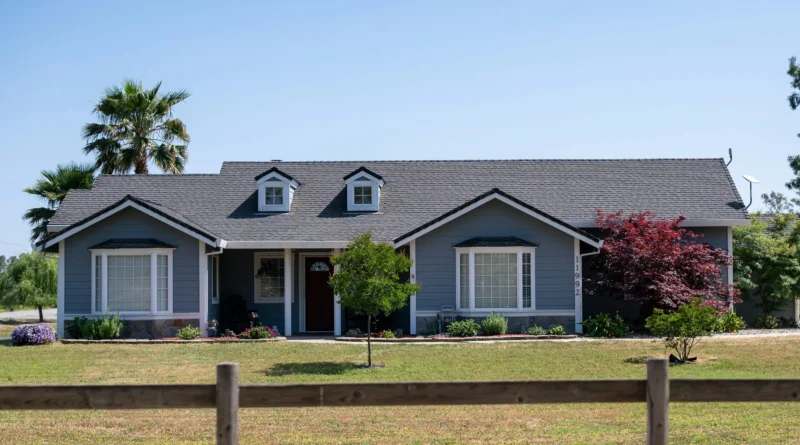
Ranch houses stay a big name for their one-floor spread over big yards. They have gentle roof slopes, built-on garages, and glass doors to patios. These suit family days in sunny spots like California or Texas. There, outside areas mix right into everyday routines. Data from real estate sites points to over 40% of single-family sales in the West being ranches last year.
Craftsman Bungalows
Craftsman homes catch the eye with shown roof beams, slim porch posts, fitted storage, and hand-done wood bits. They nod to the early 1900s Arts & Crafts push. Their small size fits city blocks where space is tight but nice vibes matter. Walking through a Craftsman neighborhood feels like stepping into a warm hug; those porches invite chats with neighbors on lazy afternoons.
Contemporary And Modernist Homes
Contemporary building keeps changing. But it often means flat roofs, straight shapes, green stuff like reused metal or plant floors, and big glass for more day light. These spots draw buyers who care about the earth. They like neat looks over busy details. For example, a modernist home I read about in a magazine used bamboo walls that cut heating bills by 25% in winter.
Why Does Geography Affect House Style Choices?
Weather rules comfort and strength. These two shape local building ways around the world. A house built without local weather in mind can waste power or break down fast.
Climate-Responsive Design Principles
In wet places like Florida or Southeast Asia, raised bases stop flood harm. Wide roof overhangs shield walls from downpours. Cold areas pick sharp roofs to shed snow. They add extra-layered windows to trap heat. Builders in snowy spots swear by these roofs; one report noted they prevent up to 90% of ice dam issues.
Local Materials Availability
Workers in the past used what sat close by. Adobe filled desert needs. Limestone served Midwest fields. Cedar roof bits lined shore woods. Even now, green jobs follow this by grabbing local goods. It lowers travel fumes. In my experience from chats with contractors, using nearby stone often saves 15-20% on costs too.
Cultural Adaptations To Environment
Building often copies group ways tied to weather. Mediterranean yards boost air flow in hot summers. Japanese mat rooms switch easy between seasons with slide screens. These tweaks make daily life smoother; imagine cooling off in a courtyard after a scorching day, a real lifesaver in those regions.
What Role Does Technology Play In Shaping New House Styles?
Tech keeps changing home building odds. It brings new builds and smart setups that fit personal needs.
Smart Home Integration
Speak-to-light setups, phone-linked cameras, and auto heat controls show up in average homes now. Buyers see links as normal, not fancy. It’s wild how a simple app can lock doors from across town, adding peace of mind for busy parents.
Sustainable Building Systems
Power-saving wall boards (SIPs), sun roof tiles from firms like Tesla Energy since 2017 (source: Tesla press release), and water reuse tools change how homes use stuff. They cut running bills over time. These systems aren’t just buzz; they’ve helped homes drop energy use by 50% in trials.
Prefabrication And Modular Methods
Pre-made parts let whole home chunks form away from the site in steady spots. Then they join on place. This drops trash by up to 30% per a 2022 McKinsey construction report (source: McKinsey & Company). It speeds up work without losing steady quality. Crews love it for fewer weather delays, especially in stormy areas.
How Can You Choose The Right Style For Your Project?
Picking from many types of house styles means weighing money limits with look aims. You also think about upkeep needs down the road.
Aligning Lifestyle With Layout
A young family might pick open Ranch setups for easy watching of kids. Older folks could go for small cottages with less work. Workers may like tall condo lofts near downtown spots. Matching your day-to-day flow to the plan avoids regrets later.
Evaluating Cost Versus Longevity
Some styles cost more from stuff or hard work. Tudor fronts need special stone work. Plain box shapes cut finish costs with their easy lines. Budget pros say to factor in 10-15 years of repairs when picking.
Considering Resale Appeal And Local Context
Houses that blend into the block keep worth better than odd ones. So, fitting the area stays vital for new spots or fixes. In tight markets, a style that matches neighbors can boost sale prices by 5-10%, per agent tips.
FAQ
Q1: What Is The Most Popular House Style In The United States Today?
A: According to Zillow’s 2023 housing trend report (source: Zillow Research), Ranch-style homes continue dominating resale markets due to affordability and accessibility features appealing across age groups.
Q2: How Many Types Of House Styles Exist Globally?
A: While classifications vary among historians, architectural databases recognize more than 50 primary residential styles worldwide ranging from Gothic Revival to Mid-century Modern forms.
Q3: Which House Style Is Easiest To Maintain?
A: Contemporary minimalist designs typically require less upkeep because they avoid intricate moldings or exterior ornamentation prone to weather wear.
Q4: Are Eco-Friendly Homes Considered A Separate Style Category?
A: Not exactly — sustainability functions as an overlay adaptable across multiple aesthetics such as modern passive houses or rustic cabins utilizing renewable energy systems.
Q5: Can Mixing Different Architectural Styles Work Effectively?
A: Yes; eclectic combinations succeed when unified through consistent proportions or color palettes rather than random juxtaposition — skilled designers use contrast intentionally instead of accidentally creating discordant results.