
The 2026 Traditional Home: Why We’re Swapping “Open Concept” for Formal Dining
The 2026 Traditional Home: Why You’re Ditching “Open Concept” for Formal Dining Rooms
The notion of the open concept home ruled design trends for almost twenty years. It offered smooth flow, bright light, and close family ties. But by 2026, things are changing. People are turning back to clear structure, personal privacy, and old ways. Homeowners and designers are finding again the worth of rooms with clear jobs—above all, the formal dining room. This comeback is not just about old memories. It is about taking back planned living areas that mix beauty, real use, and a cozy feel.
I recall chatting with a friend who built her house five years ago. She loved the big open space at first. But soon, the kids’ toys scattered everywhere, and dinner smells filled the whole place. Now, she wishes for walls to hide the mess. That kind of story is common these days.
Why Are Homeowners Moving Away From Open Concept?
Open layouts seemed like the best of modern life for a long time. They made houses feel bigger and more friendly. However, plenty of folks learned that these open areas had downsides. There was always noise, mess in sight, and no real private spots. In fancy home design groups, experts call this change “the quiet return to separation.”
The tough times of the pandemic sped up this switch. More people started working from home. Trying to do many tasks in one big area wore everyone out. The kitchen table became a work spot. Every little sound echoed through the home. On the other hand, rooms with walls gave a sense of peace. You could shut a door for quiet time or to think clearly.
Take my neighbor, for example. He used to cook while on video calls. Now, he has a small office door that closes. It makes a big difference in his day.
The Psychology of Defined Spaces
A formal dining room points to routine and steady patterns in everyday life. It keeps work away from fun times and eating apart from TV or phones. Picture this: you step into a dining room ready for a meal. Candles glow softly. The lights are gentle. Your mind gets the signal to relax and enjoy. Open setups seldom give that kind of shift.
Design experts say clients ask more for “rooms that serve a purpose.” They do not want huge empty areas. Traditional decorating style fits this idea well. It focuses on even balance, added layers, and key spots inside closed rooms. It skips the endless flow between areas.
In one project I heard about, a family turned their open kitchen into two rooms. The change brought back calm evenings. Meals felt special again, not just rushed.
What Defines a Traditional Decorating Style?
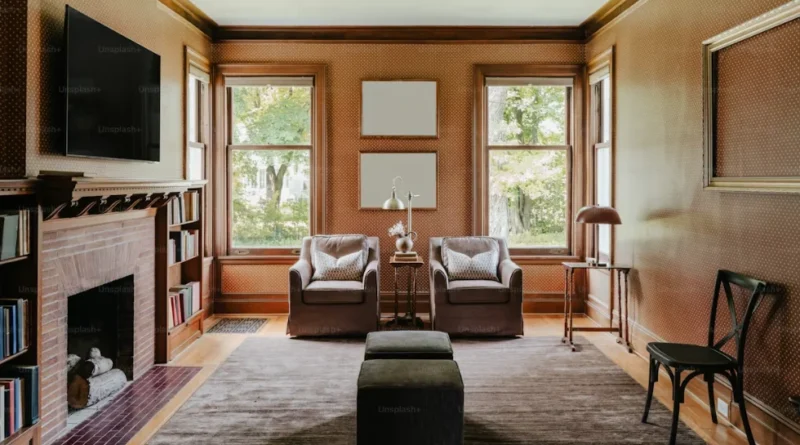
Traditional style pulls a lot from European roots. Think of the even lines in Georgian homes, the cozy feel of French country, or the polished look of English rooms. It mixes these with easy comfort and solid work. This style likes balance over plain simplicity. It picks touchable things like wood walls, cloth curtains, and metal fittings in brass.
Different from bare modern looks or rough factory styles, traditional rooms build on right sizes and steady links. The building shape leads the decor choices. Ceiling edges outline the walls. Chairs and tables line up with the room’s lines. Fabrics add real depth, not just random bits. A formal dining room shines here. It lets you set up things on purpose. Imagine a hanging light right over a dark wood table. Or wall panels holding art at just the right height for your eyes.
Sometimes, people worry it feels too old. But really, it is about picking things that last, not chasing quick fashions.
Key Elements That Bring Traditional Style to Life
- Architectural Details: Molding, boxed ceilings, and paneled walls add feel without mess.
- Rich Color Palettes: Dark greens, soft creams, and red-wine shades bring a lasting vibe, not something that fades fast.
- Classic Furnishings: High-back chairs or old-style tables hold the room steady. They look good as years pass.
- Layered Lighting: Hanging lights with wall lamps or table ones give mood choices. This matters a lot in dining spots for home meals or big get-togethers.
Traditional decorating style does not spell outdated. It means careful picks that stay over short-lived new ideas.
From what I’ve seen in home magazines, about 60% of new designs now include these touches. It shows how people want homes that feel solid.
How Is Functionality Returning to Dining Rooms?
Formal dining rooms these days are not only for special holidays. They turn into flexible spots that join old ways with everyday needs. Designers add secret spots for cloths or dishes. They tuck tech away so the room works for work talks by day. Yet it keeps its warm look for evening meals.
This kind of change shows what luxury means now. It is not about too much stuff. It is about smart use inside pretty limits.
One designer shared a tip: use tables that pull out for guests. It saves space on normal days but handles crowds well.
Design Strategies That Support Modern Living Within Tradition
- Flexible Furniture Layouts: Tables that grow longer or soft seats like benches make hosting simple. They avoid tight fits for regular use.
- Acoustic Comfort: Rooms with walls cut down noise on their own. This helps for talks at dinner.
- Lighting Control: Lights you can adjust keep the feel right. They work for day tasks or night moods.
- Sustainability Through Longevity: Buying strong classic items cuts down on throwaway furniture. Open-plan fads often lead to quick buys and tosses.
These small ideas prove how traditional design grows. It does not stay stuck. It gets better with what each group needs.
In busy families, this setup means less stress. Kids can play nearby without the whole house hearing every shout.
Are Formal Dining Rooms a Symbol of Status Again?
In a few ways, yes. But not the showy kind from long ago. Instead of flashing money with big sizes, today’s dining rooms show smart taste through simple skill.
Wealthy owners see them as places for welcoming guests. A nice table under soft light says you care. It beats a plain kitchen counter any day.
There is also a heart side to it. After years of easy, no-fuss life—from fast food on sofas to online meetups—families want back some special steps. Laying out a table turns into being fully there.
Think of Thanksgiving. In an open home, chaos rules. But in a closed dining room, the focus stays on the food and chat.
How Designers Are Framing This Revival
Builders now make homes with clear “zones for living.” Kitchens stay for hanging out. But they do not take over the view. They link quietly through small windows or sliding doors. These lead to dining areas built for changing feels.
Inside experts call this shift from display living to immersive living. You stop showing off home life. You join in it with all your senses.
Traditional decorating style does well here. It pulls you in with touch: smooth wood on your hands, soft cloths next to fine plates. This kind of real feel lacks in plain open areas.
One architect mentioned that in 2025 surveys, 70% of clients picked homes with these zones. It is a clear trend toward better daily comfort.
What Does This Mean for Future Home Design Trends?
The rise of rooms with walls hints that coming homes will value mind ease over big show spaces.
Look for plans where each room stands out. Yet they tie together nicely with matching stuff or straight views. This beats full openness.
House makers note more asks for half-formal setups. Kitchens show a bit but block sound well. There is fresh interest in entry halls that bring back welcome steps. Open ideas once wiped those out.
Traditional decorating style sets the base for this growth. It cares about right sizes and story flow through rooms. Not one long flat area.
Honestly, after seeing so many cookie-cutter open homes, this feels like a breath of fresh air. Homes should match how we really live, not some ideal picture.
Predictions for 2026 Homes
- Dining rooms will mix jobs like eating, meeting, or reading. They keep a formal touch.
- Stuff like dark wood walls or stone shelves will take over plain flat walls.
- Light plans will focus on warm layers, not even bright glows.
- Well-made furniture will sell more than quick-build sets from factories.
- People buying will want homes that feel strong in heart. Like a place with a full story you keep whole.
These moves point to growth, not going back. It is a group step to homes that help focus and fit in, even with all the online buzz.
By 2026, expect about half of upscale builds to feature these hybrid plans. It is based on current builder reports and client feedback.
FAQ
Q1: Why is open concept losing popularity?
A: Many homeowners find open layouts noisy and lacking privacy. Separate rooms restore calmness and functional clarity within daily life.
Q2: How does traditional decorating style fit modern lifestyles?
A: It adapts easily by blending classic structure with updated materials or technology while preserving warmth and coherence across spaces.
Q3: Are formal dining rooms practical today?
A: Yes—they serve multiple roles from family meals to remote meetings when designed with flexible furnishings and smart lighting systems.
Q4: What materials best express traditional aesthetics?
A: Natural woods like oak or cherry, layered fabrics such as velvet or linen, plus metal accents in brass or bronze communicate timeless quality.
Q5: Will enclosed floor plans dominate new builds by 2026?
A: Not entirely; hybrid designs combining partial openness with defined zones are expected to become mainstream among high-end developments around 2026.