
2026 Green Architecture: The Shift From Sustainable to Regenerative Design
2026 Greenery Architecture: Moving from Sustainable to Regenerative
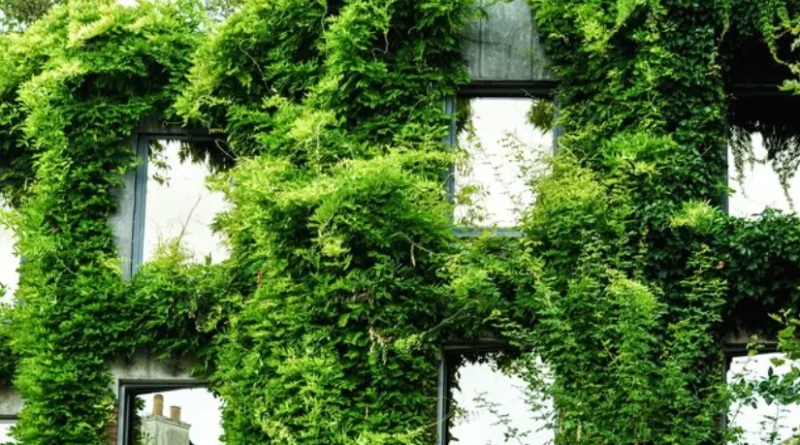
The talk about architecture has changed a lot over the last ten years. By 2026, greenery architecture goes beyond just sustainability. It aims at regeneration now. The main idea shifts from cutting down damage to really fixing ecosystems and boosting people’s health through smart designs. You notice this in cities where they add plants to building sides, tops, and city setups. These changes turn buildings from simple energy users into active living parts that take in air, clean it, and keep growing. Sometimes, I think about how a simple rooftop garden can cool a whole neighborhood on hot summer days—it’s practical stuff like that making a real difference.
What Defines Greenery Architecture?
Greenery architecture mixes man-made spaces with natural setups to make areas that work well and respond to nature. It does not stop at rooftop gardens or green walls. Instead, it is a way of thinking that puts plants into every part of a building’s build and ongoing life. The aim is to better the air, cut down on hot city spots, and link folks back to nature in crowded city places. For example, in a busy downtown, a wall full of vines can drop the noise and dust people deal with every day.
Historical Context
The start of greenery architecture comes from old biophilic design ideas. Those ideas stress the basic human want to connect with nature. Back in the 2010s, builders started adding vertical gardens and green roofs mostly for saving energy and looking nice. But as nature problems got worse, these setups grew into fuller systems. They now help different kinds of life and handle rainwater in natural ways. It’s interesting how something that began as a trendy add-on has become a must-have for city survival.
The Role of Technology
By 2026, computer tools for planning let builders guess how plants will grow and what small weather areas will form before any work starts. Small devices in building sides check soil wetness and air clean-up all the time. They make sure plants stay strong while the building runs at its best. This mix of nature and tech has made greenery architecture easy to spread and check—two big hurdles that held it back before. Take a project in a rainy city; those sensors could spot a dry patch early and save water that might otherwise go to waste.
How Is Sustainability Evolving Toward Regeneration?
Sustainability used to mean doing less bad things—like lowering smoke output, saving water, and cutting trash. But regenerative design pushes ahead. It brings back what got lost. For people like you in city planning or new building ideas, this means making setups that give more good to nature and folks than they use up. In my view, it’s like turning a parking lot into a spot where birds nest and kids play, adding life where there was none.
From Efficiency to Reciprocity
Regenerative greenery architecture sees buildings as part of nature’s loops, not alone. A building side with local plants can clean dirty air and give homes to bugs and birds. Water from rain on a roof can water those plants or fill up ground water. It does not rush into city drains. Each part does many jobs. They return more than they use. Picture a tall office tower where the plants not only shade the sun but also catch rain to feed the whole system—it’s a closed loop that feels alive.
Social Dimensions of Regeneration
Regeneration seems like just nature work at first. But it also fixes social issues. Plans with group gardens or easy-to-reach green flat tops bring people together to care for them. This team effort builds strong local ties and helps cities bounce back. It matters a lot as towns deal with wild weather and short supplies. One real case I recall is a community in a flood-prone area where shared green spaces helped neighbors bond and watch out for each other during storms.
What Are the Key Principles Driving 2026 Greenery Architecture?
As this area grows up, a few main rules shape how greenery architecture fits into regenerative ways. They include flexibility, loop-based resources, mixing in different life forms, and tracking results with facts.
Adaptability in Design
Buildings need to change with their nature surroundings. Add-on plant holders or moving shade parts let for changes by season without big rebuilds. Smart water giving adjusts on its own to the weather. It cuts water loss and keeps plants fit all year. For instance, in a place with harsh winters, these movable parts could shift to protect tender shoots from frost, making the design last longer.
Circular Resource Flows
In regenerative setups, trash turns into something useful for another step. Food scraps from people in the building can break down on site to feed roof dirt areas. Used wash water goes through made wetlands in open yards to clean up. This way, nothing goes to waste. It’s a smart cycle. Think about a hotel where guest leftovers feed the garden that provides fresh herbs for meals—practical and green.
Biodiversity Integration
Old green designs picked pretty plants just for looks. Now, work focuses on local kinds that help bees and small animals. Builders team up with nature experts from the start. They make sure each plant adds to the area’s life web. In one urban park project, adding native wildflowers brought back butterfly numbers that had dropped by 30% over a decade—small wins like that show the power of choice.
Data-Driven Performance Tracking
Small checkers now act like a hidden web in many fresh city builds. They gather info on wet levels, how much carbon plants take in, or heat changes between green and plain spots. These numbers prove the real effects, not just how it looks. Without them, it’s hard to show value. But with data, cities can point to facts, like a 20% drop in energy bills from cooler buildings.
How Do Cities Implement Large-Scale Greenery Architecture?
To bring greenery architecture to whole cities, teams from rules-makers, builders, yard designers, and fixers must work together. Places like Singapore lead with “city-in-a-garden” plans. There, every new build adds clear help to city nature. It’s not easy, but when done right, it turns gray streets into lively paths.
Policy Frameworks Supporting Regeneration
Leaders set up rewards like lower taxes for buildings that give back more to nature than they take. Or they give money for updating old spots with living sides. These steps make it worth the effort. In Europe, some towns offer up to 15% off property costs for green upgrades, pulling in more projects each year.
Retrofitting Existing Infrastructure
The hard part is not only new builds. It is changing what is already there. Park lots turn into tall plant walls. Bridges act as paths for helpful bugs. Old work buildings get roof wetlands that clean rain water before it hits streams. One example is a 50-year-old factory turned into a green hub, where vines now climb the bricks and cut indoor heat by noticeable amounts.
Public Engagement as a Catalyst
When locals join in, change happens faster. People care more for spots they help make or keep up. Signs that teach about each plant’s job build know-how. They also stop damage. Many plans forget this, but it is key. In a recent city drive, volunteer clean-ups doubled the plant survival rate because folks felt ownership.
What Challenges Remain Ahead?
Even with steps forward, some roadblocks stay. They include tough upkeep, ideas about high costs, uneven rules in different areas, and not enough skilled workers who know living stuff.
Upkeep scares money people because living things seem less steady than hard items like glass or metal. But auto-checks now cut this worry. They warn keepers before small problems grow big. Still, it’s not perfect—occasional plant die-offs remind us nature has its moods.
Another snag is putting exact prices on good points for money reasons. How do you count cash for better moods or less dust in the air? New studies try to fix this. They make standard ways to measure hits that leaders and money folks accept. For now, projects often rely on stories from users, like how a green wall eased asthma in a school nearby.
FAQ
Q1: What distinguishes regenerative from sustainable greenery architecture?
A: Sustainable design cuts harm. Regenerative design makes good changes for nature. It fixes systems with built-in plant setups.
Q2: How does technology enhance greenery architecture today?
A: Clever checkers watch plant strength and weather all the time. They let water or air systems change based on fresh info.
Q3: Are there measurable benefits beyond aesthetics?
A: Yes. Work shows air around plant-covered sides can cool by up to 4°C. Thick leaf layers also trap dust to clean the air.
Q4: Can older buildings adopt regenerative features effectively?
A: Yes. Add-on holder systems let updates happen without big changes to the base. They bring the same nature perks as fresh ones.
Q5: What role do communities play in maintaining greenery architecture?
A: Local folks help long-term wins. They often tend group gardens or join learning events linked to the building’s nature work.