
Why Are These Popular House Styles Trending
The housing market moves all the time. Each decade rolls out fresh bunches of design picks. Tech, ways of life, and changes in how folks live day to day shape those picks. If you take a quick look at the house styles that are hot right now, you spot a blend of old memories and handy tweaks. Homes these days mix comfort with steps to guard the earth. This write-up explores why some building ways stand out front. It talks about what pulls in folks buying homes and those building them. Think of a household with little ones hurrying off to class; they tend to go for looks that fit their busy days without too much bother. In places like growing suburbs, this choice makes sense because space and time feel tight.
What Makes Modern Farmhouse Style So Appealing?
The modern farmhouse sits near the top of house styles these days. It pulls together countryside charm from way back with up-to-date finishes. These houses give off a feeling of lasting strength plus new energy. White siding outside usually goes with black trim around the windows. Open floor plans show up often. Reclaimed wood from past uses adds nice details. Over in Midwest towns, you see these houses scattered around, catching attention with their friendly feel. Local real estate agents say they sell fast because they feel like home right away.
A Blend of Comfort and Simplicity
This style works well. It mixes warmth with plain ways. You see beams showing on the ceiling. Walls have shiplap boards. Big porches out front bring back easy farm life. But the rooms inside stay clear for now’s habits. Folks like places that look lived-in but neat. Natural materials team up with straight lines there. A case in point is a small town spot. Evenings there focused on dinner around a solid wooden table, lit by warm bulbs. That kind of setup draws families in, even if it means a bit more dusting now and then.
Practical Open Layouts
Open setups lie at the center of what makes farmhouses pull people. They make talking simple and getting around easy. Areas change for whatever life throws at them. Moms, dads, and kids value the kitchen flowing straight into the meal area and lounge. Chores each day go better like that. Builder polls show about seven out of ten new houses have this kind of flow. Cooking becomes something everyone joins, not just one person alone. In busy homes, this means less yelling across rooms and more time together.
Emotional Connection to Tradition
A strong tie to the past exists here. The farmhouse picture wakes up thoughts of calm periods or family links to open fields. Looks go deeper than skin. It taps into who someone is and where they feel at home. Sometimes, walking into one feels like flipping through a favorite storybook from youth. That draw holds the style steady. Trends shift around it, but the heart stays. Design experts point out how this nostalgia boosts sales in areas far from actual farms.
Why Is Mid-Century Modern Design Still Relevant?
Mid-century modern houses first popped up in the 1950s and 1960s. They still steer building ideas now. Basic shapes, flat spots, and bonds with outside hold firm over time.
Timeless Architectural Lines
A basic shape defines mid-century modern. Horizontal lines grab your notice. Big glass sections help out. Open rooms inside soften the split from outside. Parts such as these let houses match new living ways. The first spirit sticks around. Take a home from back then in bright California. Years on, it keeps a sharp look. Growth around it changes, but the house stands out clean. Owners often share stories of how little upkeep it needs, keeping costs down.
Connection With Nature
Windows tall from floor to top make a soft link between inside spots and grass yards or tiny plant beds. In our era, people want more light and green stuff indoors. This part hits just right. It fits wild schedules well. Cooler areas still get a bit of outdoors in, say with bird calls slipping in during still mornings. Garden lovers especially like how it invites plants right into the living space without extra effort.
Functional Beauty
Every piece in mid-century modern does a real job. Built-in seats save on space and keep things even. People who live there like how looks match what it does. Today’s push for green builds fits this thought. Plus, it deals with tight quarters in busy city spots. Every bit of floor matters there. Trade insiders mention these houses move off the market faster in spots that love old-school cool. Updates like new paint keep them fresh without losing the vibe.
How Has Minimalist Architecture Gained Momentum?
Minimalism started small. Now it plays a big role in building worldwide. The main thought, that less means more, goes with fast city days. People hold dear a clear head in the hustle.
Clean Forms With Purpose
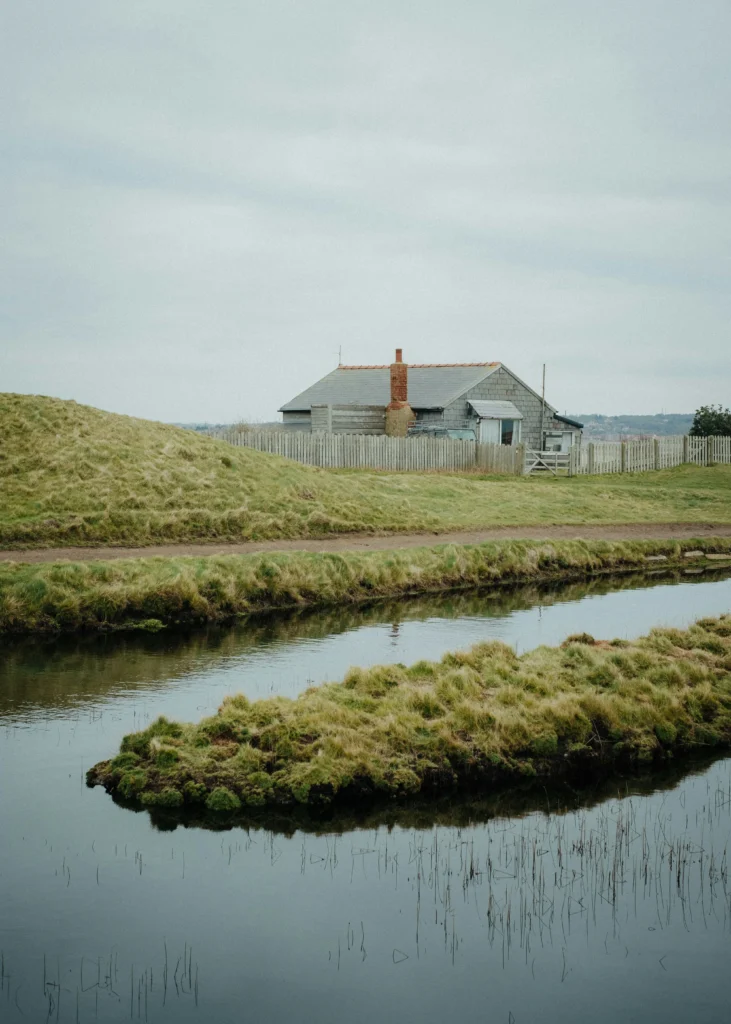
Minimalist houses drop extra bits. They stress the build and balance. Attention goes to light, room, and plain things, not flashy add-ons. Calm nooks work great for home office setups. They suit small groups after quiet too. Imagine a small apartment in busy Tokyo. The bare spots make it feel roomy, like extra air in a crowded place. City dwellers swear by this for keeping stress low during long work hours.
Sustainable Material Choices
Looking after nature weighs a lot in this field. Plenty of these houses pick tough picks like concrete, glass, steel, or bamboo. Such items last and help keep balance in the world. Ways to save power, like air moving on its own or catching sun rays, go with the simple style. One build project cut energy use by four in ten through smart choices in stuff. Tales like that travel in building groups. They spark more moves toward earth-friendly ways. Builders now often start with these materials to meet buyer asks for low-impact homes.
Influence of Japanese Design Principles
Ideas out of Japan shape plain Western styles a bunch. Ma means valuing empty parts as key to the whole. Mixing cultures makes houses center on folks more. They avoid looking bare or lonely. A touch of peace in daily spots comes easy. This effect appears in new works that take soft grace from across the ocean. They mix it with home tastes without clash. In design talks, folks note how this adds depth, turning simple into something soulful.
Why Are Craftsman Homes Experiencing a Revival?
Craftsman-style houses grew from the start of the 1900s Arts and Crafts drive. Shoppers today show new interest. They pick real handiwork over stuff made quick.
Authentic Materials and Detailing
Wood parts stay main in Craftsman works. Things like cabinets made by hand, beams shown overhead, and stone surrounds for fires show real worth. Folks lean toward these instead of fake wraps or cheap boards.
Human Scale Design
Unlike giant new big houses, Craftsman spots keep sizes fit for people. They pass on closeness and snugness. The draw is in giving rest without too much spread. Great for areas where people walk to shops, skipping far car trips. Streets you can stroll boost the appeal. They help build a feeling of belonging. In such setups, daily walks turn into chances for quick hellos, strengthening ties.
Community-Oriented Living
Front porches act as a key mark. They spark words with neighbors. That kind of link misses in wide-open suburbs. There, garages lead the way in. In set Craftsman neighborhoods, you catch sights of children playing out front. Adults nod and chat. This way creates ties that stick. It makes homes part of the block’s heart. Community events often start on those porches, from block parties to simple coffee shares.
What Drives Interest in Contemporary Coastal Homes?
Coastal build thoughts reach past beach towns. They touch projects in inner areas away from water. Links to ease and big open feels drive this spread.
Light-Filled Interiors
Wide windows pull in sun and show views. They work for sea sights or city backdrops. Pale walls lift the brightness. Small areas keep a breezy sense. Bad weather with rain can’t dull the joy in these rooms. A home taking cues from the coast in a dry inland spot could copy sea motion with light fabrics waving in a fan’s breeze. Such details make even gray days feel lighter, much like a quick trip to the shore.
Natural Textures
Workers often add bits like worn wood, soft weaves, rough mats, or colors from sea treasures. These call up beach peace without overdoing it. Quiet ways win out. It’s like a light whiff of sea air hanging in the air. Small touches like that root the look in the real world. They avoid too much without losing the calm pull. Homeowners add personal shells or stones to make it their own.
Indoor-Outdoor Fluidity
Sliding panels open up rooms to patios or yards. Good for warm spots where outside fun lasts all year. Bigger ways of joining in and out match this. Picture grilling food that moves easy from stove to open air spot. It boosts times together in the fresh air. In mild climates, this means more barbecues or evening sits, turning homes into extensions of nature.
How Do Smart Homes Influence Architectural Trends?
Tech in living places now joins top house kinds. From farm spots with auto climate watchers to plain units run by phone gadgets. It changes how choices get made for designs.
Seamless Integration With Daily Life
Smart lights flip on when you step in. Voice orders handle kitchen gear. Watch cams tie to front buzzers. Focus stays on simple use, not show. A normal start to day might have soft lights and coffee ready on its own. These bits slip into habits smooth, like turning a knob by habit. Daily life flows better, with less worry over forgotten locks or dark paths.
Energy Efficiency Through Automation
Auto parts help green targets. They adjust heat, cool, water run, and lights to what is needed. Trash lessens. Bills fall bit by bit. Studies show drops up to three in ten for power in fitted homes. Real wins like that turn the gear into a must in fresh designs. Users report cooler summers and warmer winters without extra work.
Future-Proof Design Philosophy
Builders set up lines for wires or walls that shift easy now. Looking ahead handles coming changes. Houses keep useful longer. Like putting in plugs as usual, soon links will go everywhere. Pros guess this as the coming base for home builds. It grows with what people want next. In ten years, expect walls with built-in spots for new tech, just like pipes for water today.
FAQ
Q1: What Are the Most Popular House Styles Right Now?
A: Modern farmhouse, mid-century modern, minimalist architecture, Craftsman revival homes, and contemporary coastal designs currently dominate residential markets due to their blend of aesthetics and practicality (source: National Association of Home Builders Report 2023). Patterns appear consistently in transaction records across bustling metros and serene rural spots. Demand spikes in areas with young professionals seeking balance. Sales numbers climbed 15 percent last year in these categories, per market watchers.
Q2: Why Do People Prefer Open Floor Plans?
A: Open layouts foster social connection among family members while improving natural light distribution across shared spaces—a trend supported by post-pandemic lifestyle changes emphasizing flexible living areas (source: Zillow Design Trends Survey 2022). Such arrangements transform dwellings into central points for togetherness, particularly following extended separations from work or school. Shared spaces often host impromptu games or quick chats. After tough times apart, this setup helps rebuild bonds in small ways.
Q3: How Does Sustainability Affect House Style Popularity?
A: Eco-conscious buyers increasingly choose designs incorporating renewable materials or energy-efficient systems; this shift drives demand for minimalist structures using fewer resources (source: U.S. Green Building Council Annual Review 2023). Amid widespread discussions on weather patterns, residents seek abodes that support earth care simply. Choices reflect growing awareness, with solar options popping up in over half of eco-focused builds lately. Panels on roofs now cut bills by 20 to 30 percent in sunny states, drawing budget-minded families.
Q4: Are Traditional Styles Becoming Obsolete?
A: Not entirely—traditional aesthetics often reappear through reinterpretations like modernized Craftsman details or updated colonial facades blending classic symmetry with smart-home features (source: Architectural Digest Trend Report 2024). Fusion of vintage appeal and current tools maintains vitality. Updates keep the essence while adding conveniences, appealing to those nostalgic yet practical. In historic districts, tweaks like hidden wiring preserve looks but add modern ease.
Q5: Will Smart Homes Redefine Future Architecture?
A: Yes. As automation becomes standard infrastructure rather than luxury add-on features, architects will prioritize connectivity hubs within layouts much like plumbing or electrical planning today (source: Forbes Real Estate Outlook 2024). Within a decade, fresh constructions could arrive prepped for advanced tools, akin to core utilities. This evolution promises homes that adapt effortlessly to tomorrow’s inventions, blending tech into everyday flow. Early adopters already see how voice controls save steps, hinting at bigger changes ahead.