
What Home Architectural Styles Are Most Popular
Home architecture shows history, culture, and daily life. When you walk through a neighborhood, the mix of designs shares tales from various times and choices. From the even shapes of Colonial homes to the straight edges of Modernist buildings, each type has its own rules and building stuff. This piece looks at which home architectural styles people like most right now. It also explains why they still draw interest from owners and builders.
What Defines the Most Popular Home Architectural Styles?
The appeal of home architectural styles comes from local weather, cultural effects, and changing design ideas. Some types last because they mix usefulness with good looks. Others grow popular thanks to new ideas or old memories. You may spot that some parts—like wide open rooms or big windows—show up in many styles. That’s because they fit today’s living ways. For instance, in busy family homes, those features make daily tasks easier.
Colonial Revival Homes
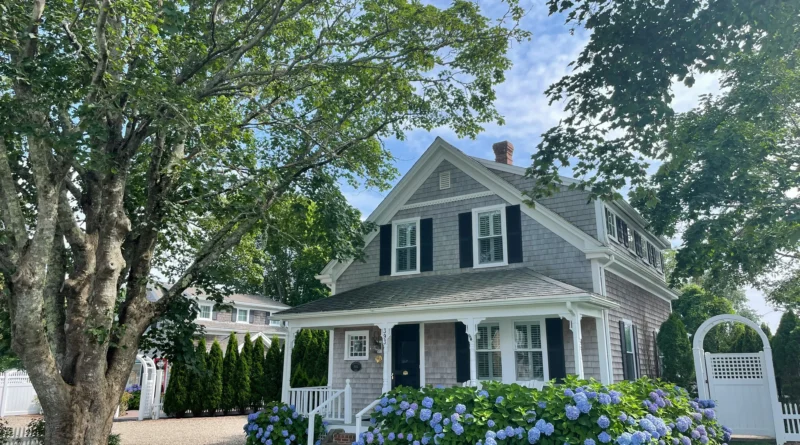
Colonial Revival homes stand out for their even balance and old-style touches like sloped roofs, brick outsides, and windows with shutters. This type picked up speed in the early 1900s. Americans wanted to link back to their past roots then. These houses usually have a front door in the middle with fancy tops over it. They also include windows with many small panes that stress balance and neatness. Their lasting draw comes from being well-known and well-made. In places like old town centers, you see them everywhere, reminding folks of steady family life.
Craftsman Bungalows
Craftsman-style homes started from the Arts and Crafts push around 1900. They focus on handmade wood parts, gently sloped roofs, broad overhangs, and beams that show outside. A key sign is the welcoming front porch held up by slanting posts. For lots of owners now, Craftsman bungalows mean realness. They push back against factory-made houses. Plus, they offer snug spots full of daylight. I remember visiting one in a quiet suburb; the wood details felt warm, like stepping into a storybook.
Modernist Designs
Modernist homes skip fancy extras for plainness and purpose. Straight lines, flat tops, wide insides, and stuff like steel or concrete mark this look. The trend began in the early 1900s. But it still shapes things because it matches simple living habits. Big glass sides mix inside and outside spaces. This makes a light, free feeling that fits current likes. Take a city loft I toured—those walls let in so much sun, it changed how the room felt all day.
Why Do Regional Differences Influence Home Architectural Styles?
Weather and land shape building choices more than most folks think. In beach areas, designs handle wet air or strong winds. In dry spots, houses aim for cool air flow. In cold places, keeping warmth in matters a lot. Local stuff for building counts too. Stone works in New England, while stucco fits California better. These choices help homes last longer in their spots.
Mediterranean Villas
Mediterranean-style homes pull ideas from Spain, Italy, and Greece. Smooth stucco outsides, red tile tops, curved doorways, and iron balconies give them appeal. These places do well in hot weather. Their thick walls keep inside temps steady without much help. You find them in sunny southern states like Florida or California. There, the bright light makes their natural colors pop. One example in Miami had arches that shaded the patio perfectly during summer heat.
Prairie Style Homes
Frank Lloyd Wright created Prairie style in the early 1900s. It uses flat lines that match the wide, level lands of the Midwest. Gently sloped roofs stretch out like arms over big open rooms. These center on fireplaces or yards. The plan blends with nature instead of overpowering it. That’s a idea sustainable builders still like today. In places like Chicago suburbs, these homes sit low and wide, almost hugging the ground.
Cape Cod Cottages
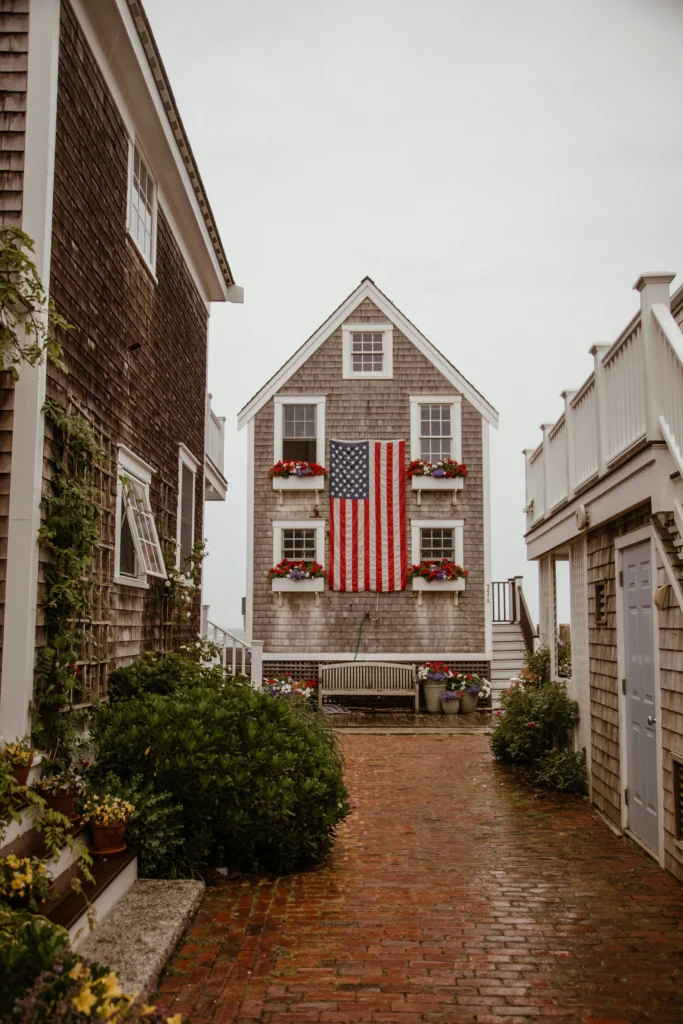
Cape Cod homes came from 1600s New England folks changing English cottages for tough winters. They stay liked for their plain ways. Sharp roofs let snow slide off fast. Middle chimneys hold heat well. New takes keep dormer windows and shingle covers. But they add bigger parts for family use. During a New England trip, I saw one with fresh paint; it looked cozy against the snowy hills.
How Have Modern Lifestyles Changed Architectural Preferences?
Daily habits now lean toward working from home and green goals. So, building ways change to match. Owners want rooms that shift from work spots to guest areas easily. They pick earth-friendly stuff that cuts energy use. This shift started small but grew fast, especially after recent years of change at home.
Open-Concept Living Spaces
Old walls split kitchens from eating areas. Now, they’re often removed for open flow. This setup links cooking, meals, and rest zones smoothly. It boosts daylight too. That’s key for chatty families or hosts who have guests over. In my view, nothing beats cooking dinner while talking to kids in the next room—it’s practical magic.
Smart Home Integration
Tech now fits right into building plans. Smart temperature controls change settings on their own. Light setups hear voice orders. Security watchers hide in the design without looking odd. These tools bring ease without hurting the look. About 70% of new builds include some smart features, per recent builder stats, making life smoother daily.
Sustainable Architecture
Green ways lead trends now. Think solar boards on roofs or reused wood inside. Windows that save energy cut warming bills. Rain catchers save water. Builders see green not as extra but as the main idea. It shapes the whole look. One project I read about used recycled bricks and dropped energy needs by half—smart and kind to the planet.
Which Historical Influences Continue to Shape Today’s Homes?
Building past doesn’t vanish. It grows through fresh takes. Many new houses grab bits from old times. They update them for now’s life. This mix keeps things fresh yet tied to roots.
Victorian Elegance Reimagined
Victorian building once meant rich show through fancy wood edges and uneven fronts. Few new spots copy full Victorian now. But parts like bump-out windows or showy roof ends pop up often. They act as kind memories mixed with plain modern touches. In historic districts, these nods add charm without overwhelming the street.
Mid-Century Modern Revival
The mid-century modern wave, from about 1945 to 1970, stressed use through shape forms and nature links. Its comeback now comes from liking clean looks with ease. Picture Eames chairs by tall glass walls facing yards. This style sells well in areas like Palm Springs, where originals fetch high prices at sales—up to $500,000 for a basic one, say real estate reports.
Farmhouse Adaptations
The new farmhouse mix joins country feel with smooth ends. White board outsides pair with dark window frames. Barn doors glide over shiny floors. It’s both old-style and handy. It shows farm past fit for city edges. Families love the big kitchens; one survey said 60% pick it for that welcoming vibe.
What Role Does Technology Play in Shaping Future Architectural Styles?
Tech does more than speed up jobs. It changes how builders think of space. Computer models bring exact plans never seen before. New green stuff comes from science steps. Even build ways shift with pre-made parts or 3D print tech. This all points to faster, greener homes ahead.
Prefabricated Modular Homes
Pre-making cuts build days without losing strength. Teams put parts together away from the site, then move them in. These setups let custom changes but keep costs low. They’re great for city spots short on land. In Europe, modular builds now make up 15% of new housing, showing quick gains in speed and waste cut.
Virtual Design Tools
Builders use virtual reality to test space feels before starting. Clients stroll digital views. They tweak shades or setups right away. This step boosts talks between planner and owner. It’s like trying on a house before buying—saves headaches later.
Smart Material Innovations
New stuff like concrete that fixes itself or glass that darkens with sun light sets new strong marks. It boosts energy save in homes worldwide. These changes make buildings tougher and cheaper to run over time.
How Can You Choose the Right Home Architectural Style?
Picking a home type means weighing what you like with real needs. Weather fit, upkeep work, money plans all count. Looks matter too, but not alone. Start by listing must-haves, then match to styles.
Assessing Lifestyle Needs
If outside areas matter all year, try Mediterranean or Ranch types. For saving energy first, look at Passive House ideas in modern shapes. Think about your routine: Do you need quiet nooks or big party spaces?
Considering Local Context
Fitting the area helps home worth stay high over years. A sharp new modern box in old Colonial spots might look off. Unless you blend it with right stuff or size tweaks. Check neighbor homes for clues.
Consulting Professional Guidance
Talking to building experts clears up what works in structure versus just looks. This helps most when fixing up old places. Rules for keeping history change by area and old site types.
FAQ
Q1: What Is the Most Common Home Architectural Style in the United States?
A: Colonial Revival stays one of the top picks. It offers even shapes and old appeal that works in many areas across the country (source: National Association of Home Builders Report 2023).
Q2: Which Style Offers Best Energy Efficiency?
A: New green designs with sun-facing setups beat old ones. They cut warming costs by up to 40% each year, says U.S. Department of Energy data (2022).
Q3: Are Modern Farmhouses Still Trendy?
A: Yes, they hold strong pull, especially for suburb folks wanting cozy meets simple ends, notes Zillow Design Trends Survey (2024).
Q4: Do Historical Styles Increase Property Value?
A: Fixed-up old-time homes often sell for more. Realness draws buyers who prize hand work over just big size, per Real Estate Economics Journal 2021.
Q5: How Does Climate Affect Architectural Choice?
A: Hot areas like open plans with air flow. Cold spots use tight, warm-keeping shapes to cut heat loss, as in American Institute of Architects Climate Adaptation Guidelines (2020).