
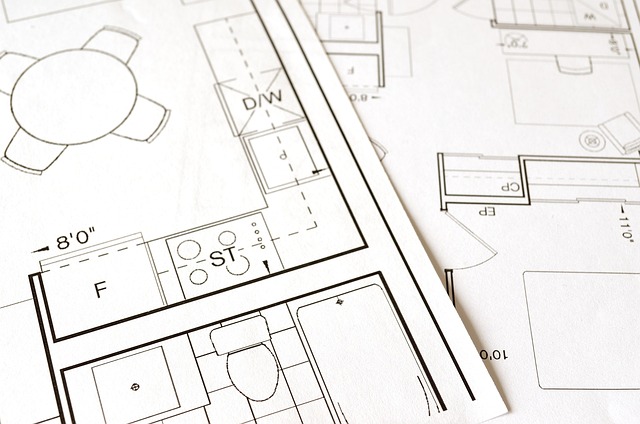
Are Single Level House Plans with Off to Side Kitchen Layouts More Energy Efficient
Single Level House Plans With Off-To-Side Kitchen Layout
Single level house plans with off-to-side kitchen layouts demonstrate measurable advantages in energy efficiency and spatial performance. The absence of vertical transitions simplifies thermal control, while lateral kitchen positioning reduces heat interference within living zones. When combined with passive ventilation and targeted HVAC zoning, these designs achieve lower energy use intensity (EUI) and improved occupant comfort. For architects and building engineers, this configuration represents an ideal balance between form, function, and sustainability.
Architectural Design and Energy Efficiency in Single-Level Homes
Energy efficiency in single-level homes is not incidental—it results from deliberate design choices that influence heat flow, air distribution, and envelope performance. The architectural structure directly determines how efficiently a building retains or releases energy across daily cycles.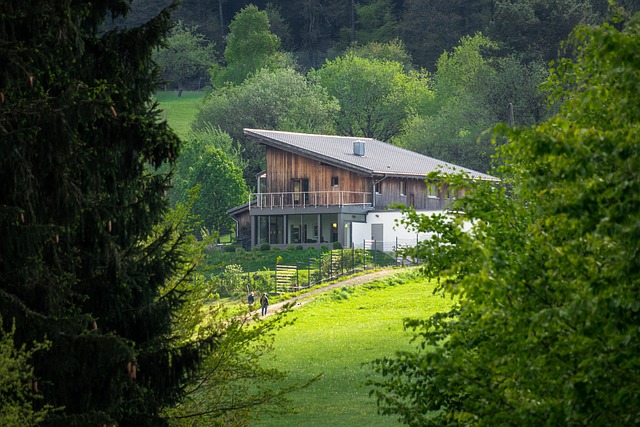
Structural Characteristics of Single-Level House Plans
Single-level designs minimize vertical heat transfer by eliminating inter-floor convection. This creates a more consistent temperature gradient across the interior. Open layouts without stairwells allow for balanced airflow distribution between living spaces. The ratio of roof area to floor area also plays a crucial role: a larger roof surface increases exposure but can be offset by high-performance insulation materials that limit conductive losses.
Impact of Building Orientation on Energy Use
Orientation determines how sunlight interacts with the building envelope. In colder climates, aligning major glazing toward the south maximizes solar gain during winter months, while in warmer regions, east-west alignment minimizes summer overheating. Proper shading through overhangs or brise-soleil systems further refines this control. In single-story homes, orientation also affects HVAC zoning—rooms exposed to direct sun can be cooled independently without disturbing the rest of the home’s temperature balance.
The Role of Kitchen Placement in Thermal Dynamics
The kitchen is a concentrated source of internal heat due to appliances and cooking activities. Its position within the floor plan influences how efficiently a home manages this thermal load.
Evaluating Off-to-Side Kitchen Layouts
Placing the kitchen laterally separates it from main conditioned areas such as living rooms or bedrooms. This spatial isolation prevents cross-zone heat transfer during cooking hours. It also promotes natural ventilation since side walls often accommodate operable windows or exhaust vents that remove warm air directly outdoors. In practical terms, homeowners experience reduced cooling demand during peak usage periods.
Heat Load Management from Cooking Activities
Cooking appliances contribute up to 15–20% of internal heat gains in typical households during meal preparation hours. An off-to-side layout confines this heat within a smaller zone that can be managed through targeted cooling or exhaust systems. Zoning HVAC systems allows for dedicated temperature regulation in this area without overburdening central cooling equipment.
Integration of Passive Design Strategies in Single-Level Homes
Passive design strategies complement mechanical systems by using natural forces like wind and sunlight to maintain comfort levels with minimal energy input.
Natural Ventilation and Airflow Optimization
Cross ventilation is inherently easier in single-level structures because air moves laterally without obstruction from upper floors. Aligning windows on opposite sides facilitates continuous airflow paths that flush out warm air effectively. Kitchens positioned at the side often serve as natural exhaust points where rising hot air exits through vents or clerestory openings.
Daylighting and Solar Control Considerations
Daylight access depends heavily on window placement relative to room depth and orientation. A lateral kitchen benefits from east-facing openings that capture morning light while avoiding afternoon glare. Overhangs or light shelves distribute illumination evenly across work surfaces. Skylights above central corridors can maintain brightness throughout the day while reducing reliance on artificial lighting.
Material Selection and Envelope Performance Implications
Material choice defines how well a building resists unwanted heat flow and air leakage—two key variables influencing operational energy use.
Thermal Insulation Across Horizontal Planes
Continuous insulation across roofs prevents thermal bridging common in multi-story construction where intermediate floors interrupt insulation layers. Wall assemblies near kitchens should feature higher R-values to counter localized heating effects from stoves or ovens. Reflective barriers behind wall cavities can reduce radiant transfer toward adjacent conditioned spaces.
Building Envelope Airtightness and Energy Retention
A single-story footprint simplifies sealing continuity because fewer joints exist between floors or structural transitions. This reduces infiltration losses significantly compared with multi-level designs that require complex sealing around stair voids or service shafts. Maintaining airtightness improves both comfort stability and long-term system efficiency.
Mechanical System Efficiency in Single-Level Layouts with Side Kitchens
Mechanical systems perform best when aligned with architectural logic—zoning, duct routing, and appliance placement all influence overall system efficiency.
HVAC Zoning and Load Distribution Efficiency
In single-level homes, HVAC zoning can follow functional boundaries precisely: living zones, sleeping quarters, and kitchens each operate under separate control parameters. Off-to-side kitchens benefit from independent thermostats or variable air volume dampers that respond only when cooking activity increases local temperatures. Shorter duct runs reduce static pressure losses, improving airflow delivery efficiency by measurable margins.
Lighting and Appliance Energy Management Strategies
Lateral kitchens often feature task-oriented lighting circuits designed for precision rather than ambient coverage, which cuts unnecessary power draw during non-cooking hours. Selecting ENERGY STAR-rated appliances further reduces electrical consumption while maintaining performance consistency under isolated operation conditions.
Comparative Evaluation of Energy Performance Metrics
Quantitative evaluation validates design assumptions by measuring actual performance outcomes under standardized conditions.
Quantitative Assessment Parameters for Energy Efficiency
Common metrics include total energy use intensity (EUI), peak load reduction percentages, and HVAC runtime hours per zone. Simulation studies comparing central versus side-kitchen configurations show lower EUI values for lateral placements due to improved heat isolation and shorter duct pathways that minimize system inefficiency.
Empirical Observations from Building Performance Data
Real-world monitoring confirms these patterns: homes featuring off-to-side kitchens exhibit more stable internal temperatures across occupied zones even during extended cooking periods. Cooling loads drop by approximately 8–12% compared with centrally located kitchens because less recirculated warm air enters main living spaces.
Design Optimization Recommendations for Enhanced Efficiency
Design refinement transforms theoretical efficiency into measurable performance gains through targeted architectural adjustments.
Architectural Adjustments Supporting Energy Goals
Introducing transitional buffer zones such as pantries or laundry rooms between kitchens and primary conditioned areas dampens thermal spillover effects. Operable windows near cooktops allow passive venting during meal preparation without relying solely on mechanical exhaust fans—a small yet effective adjustment observed in high-performance residential prototypes.
Integration with Renewable Energy Systems
Single-level roofs offer unobstructed surfaces ideal for photovoltaic array installation since no upper floors cast shadows on panels. Coupling solar generation with battery storage smooths demand peaks caused by appliance cycles within side kitchens, stabilizing grid interaction while maintaining self-sufficiency during evening operations.
FAQ
Q1: Why are single level house plans more energy-efficient?
A: Because they eliminate vertical thermal stratification, simplifying heating and cooling control while minimizing duct losses across levels.
Q2: How does an off-to-side kitchen improve indoor comfort?
A: It isolates cooking heat from main living areas, keeping ambient temperatures stable even during heavy appliance use.
Q3: What passive features work best with side kitchens?
A: Cross ventilation through lateral windows and clerestories enhances natural cooling while daylighting maintains visual comfort without excess glare.
Q4: Are renewable systems easier to integrate into single-story designs?
A: Yes, flat or low-pitch roofs provide optimal space for solar arrays without shading interference from upper structures.
Q5: What materials enhance performance near kitchen zones?
A: High-R-value insulation panels combined with reflective barriers reduce radiant transfer from cooking areas into adjacent conditioned rooms.