
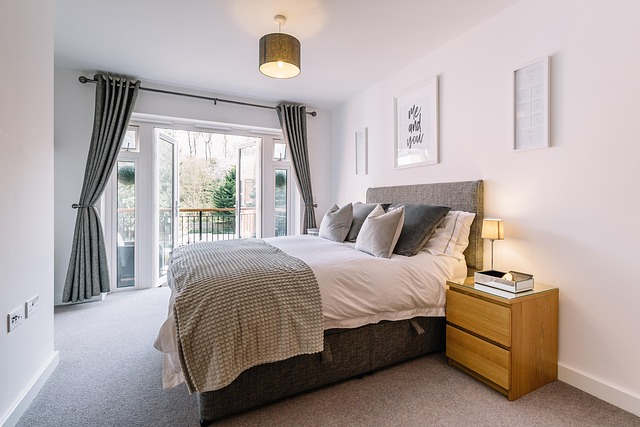
How Can Guest Bedroom Decor Influence Overall Interior Design Flow
Interior Design, Dining Decor, Couch Pillows, Spatial Flow, Tablescapes
Guest bedroom decor plays a vital role in shaping the overall spatial flow of a home. A well-designed guest space doesn’t stand apart; it complements the aesthetic and emotional rhythm of the entire interior. Cohesion in materials, lighting, and layout creates a sense of continuity that subtly guides movement and mood from one room to another. For professionals in design, this balance between individuality and integration defines mastery. The goal is not just beauty but a seamless narrative where every texture, color, and furnishing speaks the same visual language.
The Strategic Role of Guest Bedroom Decor in Interior Design Flow
The guest bedroom often acts as both an extension and reflection of the home’s design identity. It connects private living zones with communal areas while providing comfort for visitors. When executed thoughtfully, its decor strengthens the visual story told throughout the property.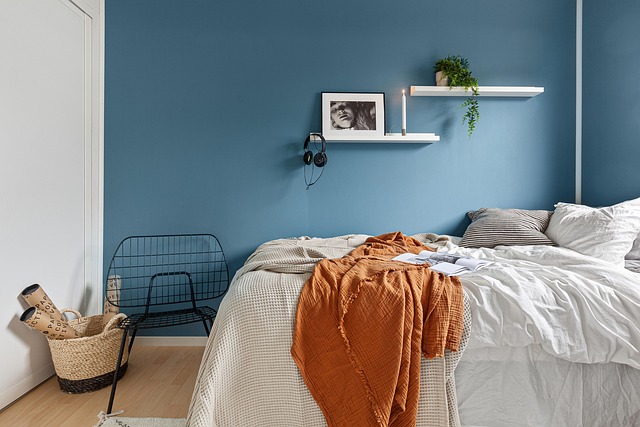
Understanding the Connection Between Guest Spaces and Overall Aesthetic Continuity
The guest bedroom serves as a transitional zone linking private and shared spaces. Its design influences how cohesive the entire home feels. Consistency in materials, colors, and textures enhances visual unity. A well-coordinated palette across rooms helps create rhythm while maintaining individuality.
Evaluating Design Flow Through Spatial Hierarchy
Guest bedrooms usually express secondary yet complementary design priorities. Their placement within the home’s hierarchy determines how decor choices align with core design language. Proper flow ensures that each room supports the narrative of the overall concept rather than competing with it.
Color Palette Coordination Across Spaces
Color coordination is one of the most immediate ways to establish harmony between rooms. In professional practice, designers often use tonal mapping—linking hues across spaces—to maintain coherence without monotony.
Harmonizing Color Schemes for Visual Continuity
A consistent palette across rooms establishes rhythm and coherence. Accent colors in guest bedrooms can echo primary tones from main living areas to reinforce connection. Subtle contrasts allow individuality while keeping flow intact.
Psychological Effects of Color Transitions Between Rooms
Smooth transitions between color intensities enhance comfort and spatial perception. Neutral tones can bridge diverse styles within one property, while balanced saturation prevents visual fragmentation across interiors.
Material and Texture Integration in Guest Bedroom Decor
Material repetition is not redundancy; it’s reinforcement of identity. When wood finishes or textile weaves repeat subtly from dining room to guest suite, they create tactile memory that ties spaces together.
Selecting Materials That Reflect the Home’s Design DNA
Repetition of wood, metal, or textile finishes reinforces thematic consistency across rooms. Shared material language builds a cohesive sensory experience for residents and guests alike. Sustainable materials can also reflect broader architectural values such as environmental responsibility or local craftsmanship.
Layering Textures to Support Design Flow
Textural balance prevents monotony while maintaining harmony throughout interiors. Soft furnishings can reference textures used in communal spaces like linen curtains or wool rugs. Layering techniques help define depth without disrupting unity—throw blankets echoing sofa fabrics are small but powerful connectors.
Furniture and Layout Alignment with Overall Interior Strategy
Furniture decisions influence both physical circulation and psychological comfort. The guest bedroom must echo proportions seen elsewhere while remaining practical for short-term stays.
Coordinating Furniture Styles Across Rooms
Furniture silhouettes should mirror the home’s dominant design movement whether modern or transitional. Proportion and scale must correspond with adjacent rooms for balanced flow. Modular furniture supports continuity by adapting to different uses without changing style language.
Spatial Planning Principles for Flow Optimization
Circulation paths should remain intuitive across all rooms including guest areas. Symmetry and alignment guide visual movement from one space to another while focal points—like artwork or mirrors—anchor transitions naturally rather than abruptly.
Lighting Design as a Connector Between Spaces
Lighting defines atmosphere more than any other element in interior design flow. Consistent lighting schemes unify mood even when decor varies slightly between zones.
Integrating Lighting Schemes for Cohesive Ambiance
Layered lighting combining ambient, task, and accent sources maintains consistency across interiors. Fixture styles should complement architectural elements already present elsewhere in the home. Dimmable systems add flexibility so light intensity aligns with activity or time of day without breaking cohesion.
Natural Light Considerations in Guest Bedrooms and Beyond
Window treatments should align with those used in other rooms to preserve exterior uniformity when viewed from outside. Reflective surfaces like mirrors or metallic accents help distribute daylight evenly through connected spaces enhancing openness without additional fixtures.
Art, Accessories, and Finishing Touches That Reinforce Flow
Accessories are often underestimated yet they carry emotional weight within spatial storytelling. Their repetition or variation determines whether a home feels curated or chaotic.
Curating Decorative Elements for Unified Expression
Artwork themes should resonate with the home’s conceptual direction whether minimalist abstraction or organic landscapes. Accessory repetition through color or form enhances cohesion among rooms. Depending on philosophy—minimalist restraint or curated layering—decor either simplifies or enriches spatial dialogue.
The Role of Personalization Without Disrupting Harmony
Personalized touches add warmth while respecting established design rules. Subtle differentiation distinguishes guest spaces—a framed travel photo or distinctive throw pillow—without fragmenting style continuity. Balance between individuality and integration defines professional-level design flow where every decision feels intentional yet effortless.
FAQ
Q1: How can guest bedroom decor influence first impressions?
A: It sets tone immediately upon entry by extending main design themes into a private space that still feels part of the whole environment.
Q2: Should guest bedrooms always match other rooms exactly?
A: No, subtle variation keeps interest alive; what matters is shared tone or texture rather than identical replication.
Q3: What materials best maintain cohesion between living areas and guest suites?
A: Natural woods, brushed metals, linen blends, and neutral stone surfaces tend to translate well across multiple zones due to their timeless appeal.
Q4: How does lighting affect perceived flow?
A: Consistent color temperature across fixtures ensures smooth transitions; mismatched warmth levels can make spaces feel disjointed even if decor aligns perfectly.
Q5: Can bold artwork disrupt overall harmony?
A: Only if unrelated to palette or theme; when integrated thoughtfully through complementary framing or placement strategy it strengthens visual narrative instead of breaking it.