

Can a Couch Pillow Influence Dining Table Aesthetics and Harmony
Dining Table, Centerpieces, Dining Decor, Tablescapes, Interior Design
The dialogue between living and dining spaces defines how homes feel and function. A well-chosen couch pillow can echo the tone of a dining table centerpiece or contrast it to create visual rhythm. Professionals in interior design recognize that spatial flow depends less on walls and more on cohesion—color, proportion, and texture working together. When these cues align across zones, the result is a seamless experience where both comfort and formality coexist naturally.
The Interplay Between Living Room and Dining Space Design
Modern interiors increasingly favor open layouts where living and dining areas share visual space. This proximity demands careful planning so that one zone complements rather than competes with the other.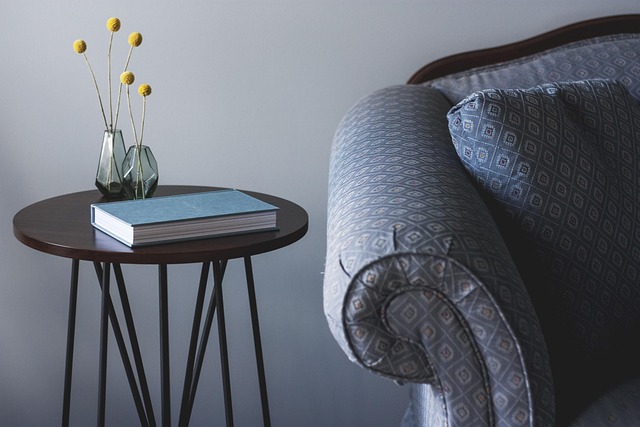
Spatial Flow in Interior Aesthetics
Open-plan layouts blur the boundaries between living and dining areas. Designers often use consistent flooring or aligned ceiling treatments to lead the eye smoothly through connected zones. Visual continuity enhances harmony; for instance, a muted wall palette in both areas can tie them together without forcing uniformity. Elements like color gradients or repeated materials—such as oak wood or brushed brass—encourage perceived cohesion while allowing each area its own personality.
The Role of Soft Furnishings in Spatial Connection
Soft furnishings act as subtle connectors within open interiors. Cushions, throws, and rugs transition visually between lounging and dining areas. Repetition of motifs or hues—like navy stripes on a couch pillow mirrored by napkins on a dining table—creates a unified story. Textiles also introduce warmth that offsets hard surfaces such as marble tables or metal chairs, balancing tactile experiences throughout shared environments.
The Influence of a Couch Pillow on Dining Table Harmony
Even small decorative choices can influence how two functional spaces interact visually and emotionally. The humble couch pillow becomes an anchor point for color coordination, texture dialogue, and sensory balance across adjoining zones.
Color Coordination Across Functional Areas
Matching tones between couch pillows and table décor establishes rhythm across the room. A terracotta pillow paired with matching candleholders on the dining table draws subtle connections without appearing staged. Conversely, contrasting colors—say teal pillows against neutral dining linens—can define separate functions while maintaining aesthetic tension. Color psychology supports this approach: warm hues promote appetite in dining zones while cooler shades encourage relaxation near seating.
Texture and Material Relationships
Texture links spaces more quietly than color but with equal impact. Linen couch pillows can echo the weave of chair upholstery or table runners, creating consistency through touch rather than sight alone. Mixing matte fabrics with glossy ceramics adds depth without cluttering visuals. Layering materials—velvet next to rattan or wool beside glass—builds tactile richness that keeps interiors from feeling flat.
Design Principles for Achieving Cohesion Through Minor Details
Cohesion thrives on proportionate relationships and rhythmic repetition rather than perfect symmetry. Small details like pillow size or pattern frequency influence how balanced an open-plan setting feels overall.
Proportion and Scale Considerations
Scale dictates visual comfort. Oversized cushions may draw too much attention away from the dining area’s focal point, such as a chandelier or centerpiece arrangement. Balanced proportions maintain equilibrium between soft seating elements and structured furniture pieces like tables or sideboards. Distributing visual weight evenly ensures neither space dominates the shared view.
Repetition and Rhythm in Decorative Elements
Repetition binds spaces together subtly yet effectively. Geometric patterns repeated across throw pillows and placemats create continuity without monotony. Rhythmic use of similar lines—a curved sofa back echoed by rounded chair silhouettes—builds coherence through gentle visual echoes. Still, over-coordination risks sterility; variety within restraint keeps interiors lively but controlled.
Psychological and Experiential Dimensions of Cross-Space Design
Design choices affect not only aesthetics but also human behavior within shared environments. Emotional resonance grows when styling decisions foster familiarity across adjoining rooms.
Emotional Resonance Through Consistent Styling Choices
Consistent textures and palettes evoke belonging. Familiar tactile cues—a soft chenille pillow mirrored by fabric-covered dining chairs—make transitions feel natural rather than abrupt. Such harmony encourages relaxation during both leisure conversation and formal meals while reinforcing spatial order that calms the mind.
Sensory Balance Between Visual and Tactile Stimuli
A successful interior balances what occupants see with what they touch. The interplay between soft textiles in the lounge area and harder surfaces at the dining table defines sensory equilibrium crucial to comfort perception. Thoughtful pillow selection can subtly alter ambiance: plush velvet signals intimacy; crisp cotton suggests freshness suitable for daytime gatherings.
Practical Strategies for Integrating Couch Pillows into Broader Design Schemes
Practical integration depends on adaptability—how easily accessories adjust to evolving palettes or seasonal moods without major redesigns.
Selecting Pillows That Complement Dining Décor Themes
Fabric choice should reference nearby décor elements such as chair upholstery or centerpiece tones to maintain continuity across functions. Coordinating seasonal updates—for example, linen covers in summer replaced by wool blends in winter—refreshes both living and dining aesthetics simultaneously while preserving coherence.
Maintaining Flexibility in Aesthetic Transitions
Neutral base tones combined with accent pillows allow easy thematic shifts over time. Rotating accessories lets designers test different harmony levels before committing to larger changes like repainting walls or replacing furniture finishes. Strategic lighting further enhances these transitions; warm light unites earthy palettes while cool light sharpens contrast among metallic accents.
FAQ
Q1: How can a couch pillow influence overall room balance?
A: It anchors color schemes between living and dining zones, ensuring smooth visual flow without dominating either area.
Q2: What materials work best for linking soft furnishings with dining décor?
A: Natural fibers like linen or cotton pair well with wooden furniture; velvet complements polished metals for richer contrast.
Q3: Should color always match across connected spaces?
A: Not necessarily; complementary tones often achieve better depth than strict matching while still maintaining harmony.
Q4: How often should decorative pillows be updated?
A: Twice yearly aligns with seasonal décor shifts—lighter fabrics for warmer months, heavier textures for cooler ones.
Q5: Can lighting affect perceived cohesion between rooms?
A: Yes, consistent lighting temperature ties spaces together visually while accent lights highlight key transitional features like textiles or centerpieces.