
Are Room Designers Redefining the Return of the Sitting Room Trend
Return of the Sitting Room: Designers Create a Cozy Space
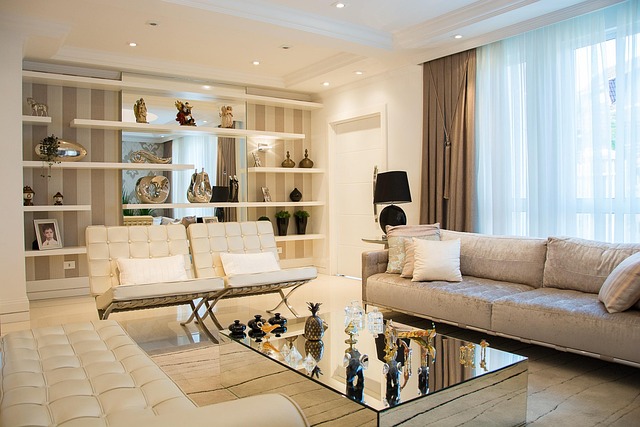
The sitting room is returning as a focal point in modern homes, replacing the once-dominant open-plan layout. This shift reflects a deeper cultural desire for warmth, privacy, and meaningful interaction. Designers are crafting spaces that feel both intimate and versatile—rooms where conversation flows easily and comfort takes precedence. The revival blends traditional sensibilities with contemporary needs, proving that the sitting room is not a relic but a renewed expression of domestic life.
The Revival of the Sitting Room in Modern Interior Design
The resurgence of the sitting room aligns with evolving lifestyle patterns. As homes become sanctuaries from digital overload, people crave defined spaces that encourage rest and connection.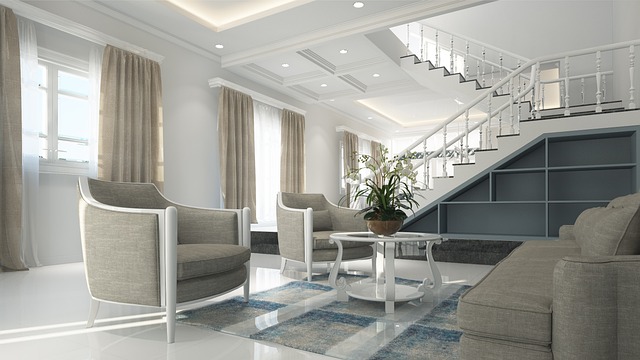
Shifting Lifestyles and the Reemergence of Dedicated Living Spaces
The decline of open-plan layouts has sparked renewed interest in distinct living zones. Designers now favor rooms that offer separation without isolation, allowing families to gather without distraction. This design movement echoes broader societal values—comfort, belonging, and human connection matter more than visual expansiveness. A well-defined sitting area becomes a retreat for slow living amid fast-paced routines.
Historical Context and Contemporary Adaptation
Historically, sitting rooms were formal reception areas reserved for guests. In today’s homes, they have evolved into flexible social hubs where formality meets function. Modern designers reinterpret classical symmetry and proportion through softer materials and adaptable furniture arrangements. The result is a space that honors tradition while embracing contemporary lifestyles.
Design Principles Guiding the New Sitting Room Aesthetic
The modern sitting room aesthetic balances spatial efficiency with emotional resonance. Every design choice—from furniture placement to lighting temperature—serves both practical and psychological purposes.
Spatial Planning and Flow Optimization
Spatial planning defines how people move through and interact within the room. Designers use furniture placement to create zones that foster intimacy without cluttering sightlines. For example, curved sofas or paired armchairs naturally guide conversation flow while maintaining openness toward adjoining rooms. This balance between connection and containment underpins successful contemporary layouts.
Materiality and Texture in Modern Sitting Rooms
Material selection shapes how a space feels as much as how it looks. Layered materials—linen upholstery beside oak tables or wool rugs on stone floors—add tactile richness. Natural fibers bring warmth; handcrafted finishes introduce authenticity often missing in mass-produced interiors. Many designers merge artisanal craftsmanship with modern composites to achieve durability without sacrificing soul.
Color Theory and Lighting Strategies
Color choices influence atmosphere profoundly. Warm neutrals such as taupe or clay create calm sophistication suited for reflective spaces. Lighting follows a layered strategy: ambient sources define overall mood, task lighting supports reading or conversation, and accent lights highlight art or architectural details. Subtle contrasts between matte walls and glossy ceramics add depth without overwhelming the senses.
The Influence of Guest Bedroom Decor on Sitting Room Design
An interesting crossover is emerging between guest bedroom decor and sitting room styling. Hospitality-driven comfort now extends into social zones, blending private relaxation cues with communal warmth.
Cross-Pollination Between Private and Social Spaces
Designers borrow from guest bedroom aesthetics—soft textiles, gentle palettes, curated accessories—to make sitting rooms more personal yet cohesive with the home’s tone. Shared materials like linen drapes or velvet cushions create continuity between sleeping quarters and gathering areas, ensuring visual harmony throughout the residence.
Incorporating Comfort Elements from Guest Suites into Sitting Areas
Elements once exclusive to guest suites are migrating into living zones: plush seating reminiscent of upholstered headboards, throws inspired by layered bedding, even bedside-style lamps repurposed for reading corners. These touches enhance comfort while maintaining elegance. The result is an environment that feels both refined and relaxed—a hybrid between hospitality lounge and family retreat.
Designer Perspectives on Functionality and Experience
For interior professionals, the challenge lies in balancing artistic vision with everyday usability. The most successful sitting rooms look effortless yet respond intuitively to real habits.
Balancing Aesthetic Vision with Practical Needs
Functionality drives beauty when executed thoughtfully. Multi-functional furniture—nesting tables, modular sofas—supports flexible living arrangements ideal for compact urban homes or large family gatherings alike. Discreet storage built into benches or ottomans keeps surfaces clear without breaking visual rhythm, preserving both order and charm.
Emotional Design: Creating Spaces That Foster Connection
Beyond aesthetics lies emotional resonance. The sitting room acts as an anchor within domestic life—a place to decompress or engage meaningfully with others. Designers apply psychological principles such as soft lighting for calmness or rounded forms to evoke safety. Personal artifacts like framed art or heirloom ceramics lend authenticity impossible to replicate through catalog styling alone.
Future Directions in Sitting Room Design Trends
Looking forward, two major forces shape this evolving typology: technology integration that respects ambiance and sustainability embedded at every level of design thinking.
Integration of Technology Without Disrupting Ambience
Technology must serve serenity rather than dominate it. Hidden charging ports within side tables, smart lighting systems responsive to circadian rhythms, or acoustic panels disguised as wall art allow seamless convenience without aesthetic intrusion. The goal is invisible tech that enhances relaxation instead of competing for attention.
Sustainability as a Core Design Value
Sustainability has become non-negotiable in high-end interiors. Designers increasingly specify eco-friendly paints, reclaimed wood furniture, or biodegradable textiles to minimize environmental impact while maintaining luxury standards recognized by organizations such as ISO 14001 for environmental management systems (ISO). Vintage furniture restoration also gains traction—it reduces waste while adding character unattainable through new production lines.
FAQ
Q1: Why are homeowners moving away from open-plan layouts?
A: Many find open plans noisy and impersonal; defined rooms like sitting areas restore privacy and acoustic comfort while encouraging focused interaction.
Q2: How does guest bedroom decor influence living spaces today?
A: Soft textures, muted tones, and layered fabrics typical of guest suites now inform living-room styling to create continuity across home environments.
Q3: What materials best express warmth in modern sitting rooms?
A: Natural woods paired with wool or linen textiles provide tactile depth; combining these with handcrafted ceramics adds understated luxury.
Q4: How can technology blend discreetly into traditional interiors?
A: Concealed outlets, integrated speakers behind paneling, or motion-sensitive lights maintain elegance while offering modern convenience.
Q5: What sustainable practices define current design approaches?
A: Use of recycled materials, locally sourced timber, low-VOC finishes, and vintage restoration align aesthetics with responsible production values supported by global sustainability frameworks like IEA recommendations on resource efficiency (IEA).