
How Can an Interior Designing Company Elevate Sitting Room Aesthetics Globally
Sitting Room, Interior Design, Cozy Spaces, Spatial Planning, Sustainable Design
Interior design has evolved into a global language that connects culture, comfort, and technology. An interior designing company today does more than decorate; it defines how people live and interact with their spaces. Sitting rooms, as social centers of modern homes, embody this transformation through thoughtful spatial planning, sustainable material use, and technological integration. The convergence of international design standards and local creativity continues to shape the aesthetics of living environments worldwide.
The Expanding Role of Interior Design in Modern Living Spaces
Interior design now functions as both an art form and a social indicator. It reflects how societies value comfort, efficiency, and expression within built environments.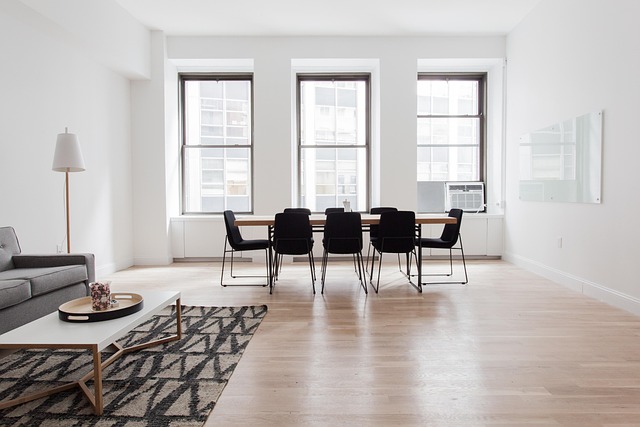
Interior Design Companies Shape Cultural and Aesthetic Trends Across Global Markets
An interior designing company influences not only visual appeal but also cultural perception. In major cities like Dubai or Milan, firms curate interiors that merge luxury with cultural storytelling. Their work impacts retail spaces, hospitality design, and residential architecture across continents.
Sitting Rooms Serve as Focal Points That Reflect Lifestyle, Comfort, and Social Identity
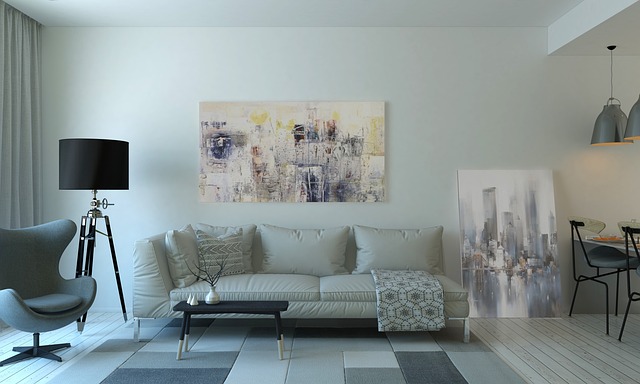
The sitting room remains the emotional heart of a home. Its design signals lifestyle choices—minimalist for urban professionals or eclectic for families valuing heritage. Furniture placement often mirrors social habits: open seating for gatherings or sectional arrangements for quiet relaxation.
Globalization Has Led to a Fusion of Regional Design Philosophies and Materials
Designers increasingly borrow from multiple traditions. A Scandinavian-inspired palette may blend with Japanese woodwork or African textiles. This cross-pollination creates interiors that feel both universal and personal.
How International Design Standards Shape Sitting Room Aesthetics?
Global design standards bring coherence to diverse markets while allowing creative flexibility. They define safety norms, ergonomic guidelines, and sustainability benchmarks that influence every stage of project execution.
Global Standards Influence Spatial Planning, Lighting, and Material Selection
Organizations such as ISO and IEC provide frameworks for spatial dimensions and lighting quality that guide designers globally. These standards ensure consistency in comfort levels whether in a London apartment or a Singapore penthouse.
Sustainable Design Practices Are Becoming Central to International Aesthetics
Sustainability is no longer optional—it’s integral to brand identity. Many international firms use recycled materials certified by recognized environmental bodies. Energy-efficient lighting systems now serve both ecological goals and aesthetic refinement.
Cross-Border Collaborations Enhance Innovation and Creativity in Interior Design
Collaborations between European studios and Asian manufacturers have produced new hybrid materials like bamboo composites or low-VOC paints. Such partnerships expand the creative vocabulary available to every interior designing company operating globally.
Core Design Elements That Elevate Sitting Room Aesthetics
Design excellence depends on the harmony between space planning, material texture, and lighting balance. These core elements define how people experience comfort visually and physically.
Spatial Planning and Functional Zoning
Thoughtful zoning separates activity areas without physical barriers. Designers create invisible boundaries using rugs or ceiling lights to distinguish conversation zones from reading corners. Open layouts maintain flow while preserving intimacy through proportional furniture grouping.
Material Selection and Texture Integration
Material choice determines mood as much as durability. Combining stone floors with soft wool fabrics introduces tactile contrast. In warmer climates, designers prefer breathable linen upholstery; in colder regions, leather adds warmth and sophistication.
Lighting as a Design Catalyst
Lighting shapes perception more than any other element. Layered schemes—ambient for general illumination, task for reading areas—build depth within small spaces. Smart systems adjust brightness automatically throughout the day to mimic natural rhythms.
Cultural Adaptation in Global Sitting Room Design?
Cultural context gives meaning to design choices. While global trends dominate social media feeds, regional aesthetics continue to influence palettes and patterns deeply rooted in heritage.
Regional Influences on Color Palettes and Patterns
Scandinavian interiors favor pale woods and muted tones reflecting long winters. Asian spaces integrate nature-inspired motifs like bamboo prints or jade greens symbolizing balance. Mediterranean designs highlight terracotta textures that evoke sunlight and warmth.
Balancing Local Identity with Global Trends
Modern designers reinterpret traditional crafts—Moroccan tiles reimagined in minimalist layouts or Indian block prints on contemporary cushions—to maintain authenticity while appealing internationally.
Cultural Sensitivity Ensures Authenticity While Appealing to Global Audiences
Projects succeed when they respect local customs yet communicate universal elegance. For example, hospitality projects in Japan often combine tatami textures with modern lighting systems without losing cultural essence.
The Role of Technology in Modern Sitting Room Transformation?
Technology has become an invisible collaborator in modern interiors—enhancing precision during design stages and improving user experience after completion.
Digital Tools Enhancing Design Precision and Visualization
3D modeling software allows clients to explore virtual rooms before construction begins. Augmented reality enables real-time adjustments during presentations—a tool particularly useful when teams operate across time zones.
Smart Home Integration for Elevated Living Experiences
IoT devices synchronize lighting scenes with temperature control or entertainment systems via voice commands. This seamless interaction transforms sitting rooms into responsive environments tailored to user preferences.
Technology Enhances Both Functionality and Aesthetic Coherence in Modern Interiors
Beyond convenience, digital systems contribute to visual purity by reducing clutter through concealed wiring or centralized control hubs integrated into furniture designs.
Sustainability as a Defining Principle in Contemporary Interior Design?
Sustainability drives innovation across all design disciplines today. Clients increasingly demand eco-conscious solutions that combine beauty with responsibility.
Eco-Friendly Materials and Energy Efficiency Practices
Reclaimed wood flooring reduces deforestation impact while maintaining character-rich aesthetics. LED lighting cuts energy consumption significantly compared with halogen fixtures commonly used a decade ago.
Designers Prioritize Longevity Over Disposability Through Durable Furnishings
High-quality craftsmanship extends product life cycles—a key metric under circular economy principles endorsed by organizations such as IEA for resource efficiency goals worldwide.
The Rise of Circular Design Concepts Globally
Circular design encourages refurbishment instead of replacement. Local production networks shorten supply chains while supporting artisanship rooted in community economies—a model gaining traction among boutique interior designing company networks across Europe and Asia alike.
Collaborative Approaches Between Designers and Clients Worldwide?
Global collaboration reshapes how projects evolve from concept to completion through transparent communication tools that bridge cultural gaps effectively.
Client-Centered Design Methodologies
Co-design sessions let clients participate actively during early ideation phases ensuring alignment between vision and functionality—an approach proven effective across multinational projects where expectations differ widely.
Transparent Communication Fosters Trust Across Cultural Boundaries
Video conferencing platforms enable continuous dialogue despite geographical distance; this transparency strengthens relationships essential for complex hospitality or residential developments managed remotely.
The Impact of Global Networks on Creative Collaboration
Shared digital ecosystems allow architects, suppliers, artisans—and even AI-based analytics platforms—to collaborate seamlessly on shared dashboards improving accuracy from procurement through installation phases worldwide.
FAQ
Q1: What defines an effective sitting room layout?
A: Balanced zoning between seating clusters, circulation paths, and focal points ensures comfort without overcrowding the space.
Q2: How do interior designing companies incorporate sustainability?
A: They select renewable materials like bamboo or cork flooring while integrating energy-efficient lighting systems certified by international standards bodies such as ISO 50001 frameworks on energy management.
Q3: Why is cultural adaptation crucial in global interior projects?
A: It preserves authenticity by blending local craftsmanship with modern forms appealing to international audiences without erasing identity markers embedded in tradition.
Q4: What technologies are transforming client-designer collaboration?
A: Cloud-based visualization tools combined with AR applications allow real-time feedback loops reducing revision cycles drastically during project development stages.
Q5: How does circular design benefit both environment and business?
A: It minimizes waste through reuse strategies while enhancing brand reputation among environmentally conscious consumers seeking sustainable luxury experiences worldwide.