
Are Farm Style House Plans a Sustainable Alternative to Urban Expansion
Plans To Build 3,500 Homes On Unspoilt Farmland Sparks Fury
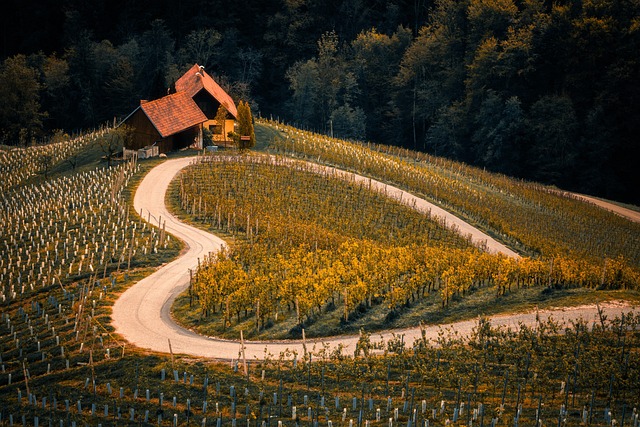
The proposal to construct 3,500 new homes on previously untouched farmland has ignited a fierce debate among architects, environmentalists, and urban planners. At the heart of this controversy lies the tension between meeting urgent housing demands and preserving agricultural landscapes that serve as ecological buffers and cultural heritage sites. Experts argue that farm style house plans—which merge traditional rural aesthetics with modern sustainability principles—could offer a compromise between growth and conservation. Yet, the scale of such developments raises questions about long-term land stewardship, biodiversity loss, and the integrity of rural identities. The issue is not merely architectural; it’s deeply environmental and social.
Understanding The Concept Of Farm Style House Plans
As cities expand into rural fringes, the concept of farm style house plans has evolved from nostalgic design to a practical framework for sustainable living. It represents more than just visual cues from barns or cottages—it’s about reinterpreting agricultural simplicity for modern lifestyles.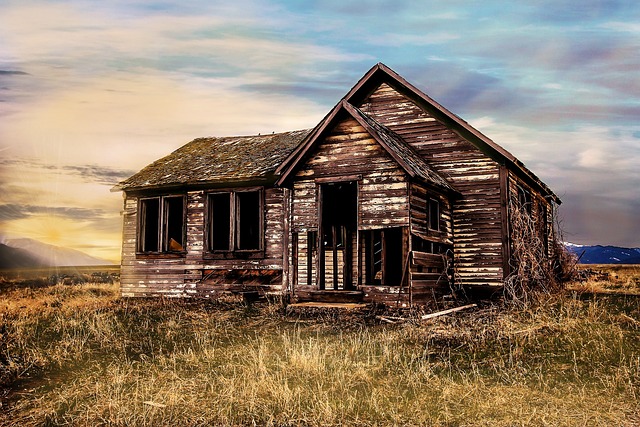
Defining Farm Style Architecture in Modern Context
Farm style architecture in today’s context blends rustic charm with contemporary efficiency. Open layouts encourage natural airflow and daylight penetration, reducing reliance on artificial systems. Natural materials like timber, stone, and reclaimed metal are favored not only for their aesthetic warmth but also for their lower embodied energy. This architectural approach nurtures a strong connection between interior spaces and surrounding landscapes through wide porches, large windows, and transitional outdoor areas. In essence, it promotes harmony between built environments and nature by encouraging occupants to live with rather than against their environment.
Evolution of Farm Style Homes in Urban Planning
Originally confined to agricultural regions, farm-inspired homes now appear in suburban masterplans where residents seek space without isolation. Developers increasingly integrate these designs into mixed-use communities that balance density with greenery. This evolution reflects broader societal shifts toward sustainability and wellness-driven living. The integration of renewable technologies—such as solar roofs or rainwater systems—demonstrates how traditional craftsmanship adapts to modern performance standards. Urban planners view this trend as both a cultural revival and a technical response to climate-conscious housing demands.
The Debate Around Farmland Development And Urban Expansion
The push to convert farmland into residential zones exposes deep contradictions within planning policy: expanding housing supply while safeguarding food-producing soils. This debate intertwines environmental science with social equity.
Assessing the Environmental Impact of Building on Unspoilt Farmland
Transforming fertile farmland into housing estates disrupts ecosystems that have evolved over centuries. Soil compaction from construction machinery diminishes fertility and water infiltration capacity. Habitat fragmentation reduces biodiversity resilience, while increased surface runoff burdens local drainage systems. Beyond immediate impacts, farmland loss undermines regional food security by shrinking domestic production capacity at a time when global supply chains face volatility. The carbon sequestration potential of undisturbed soils also declines sharply once converted into impermeable surfaces.
Urban Expansion Pressures and Housing Demand Dynamics
Rising population density around metropolitan areas fuels relentless pressure on peripheral land parcels. Economic incentives often favor conversion because undeveloped farmland is cheaper than infill redevelopment within cities. However, this short-term gain masks long-term costs: infrastructure extension, traffic congestion, and ecological degradation. Policymakers face a delicate balancing act between accommodating growth and enforcing sustainable land-use boundaries that prevent sprawl from erasing productive landscapes.
Sustainability Dimensions Of Farm Style House Plans
Sustainability sits at the core of farm style house plans, transforming them from mere aesthetic choices into functional blueprints for low-impact living.
Energy Efficiency and Resource Management Features
Modern farm-style homes incorporate passive solar orientation to harness sunlight during winter while shading interiors in summer through extended eaves or deciduous plantings. High-performance insulation materials maintain thermal comfort with minimal energy consumption. Many designs include photovoltaic panels or geothermal loops integrated discreetly within landscape layouts. Water management systems—like rainwater harvesting tanks or greywater reuse networks—further reduce strain on municipal supplies while promoting self-sufficiency at household scale.
Material Selection and Local Sourcing Practices
Material selection defines both environmental footprint and regional identity. Builders often specify reclaimed wood beams salvaged from old barns or recycled steel frames sourced locally to minimize transportation emissions. Stone quarried within nearby districts reinforces visual continuity with native terrain while supporting local tradespeople. These sourcing strategies cut embodied carbon significantly compared to imported materials while circulating economic value within rural economies—a small but meaningful loop of sustainability in action.
Integrating Farm Style Design Into Sustainable Land Use Strategies
Integrating farm-style design principles into broader planning frameworks allows communities to grow responsibly without erasing their agricultural past.
Adaptive Reuse of Existing Rural Structures
Repurposing barns or silos into residential units preserves cultural memory embedded in rural architecture while minimizing waste generation from demolition activities. This adaptive reuse aligns with circular economy principles by extending building lifespans through creative redesign instead of new construction. Such conversions often become focal points for heritage tourism or community engagement projects that celebrate local craftsmanship traditions alongside modern comforts.
Cluster Development and Conservation-Oriented Planning Models
Cluster development organizes housing groups compactly within designated footprints while leaving large tracts of farmland intact for cultivation or conservation corridors. Shared amenities such as orchards or green commons foster community interaction while maintaining ecological continuity across parcels. This model demonstrates how development intensity can coexist with open-space preservation when guided by thoughtful zoning policies rooted in landscape ecology rather than pure economics.
Policy Considerations For Sustainable Rural Development
Effective governance determines whether farmland transformation results in balanced growth or irreversible loss.
Regulatory Frameworks Supporting Responsible Expansion
Progressive zoning codes can channel residential expansion toward brownfield sites before allowing encroachment on prime agricultural soils. Governments may offer tax credits or expedited approvals for developers adopting certified sustainable building standards like LEED or BREEAM to reward responsible practices. Environmental impact assessments should be mandatory components of every planning submission to quantify trade-offs transparently before decisions are finalized.
Collaboration Between Stakeholders in Land Use Planning
Sustainable outcomes depend on collaboration among municipalities, developers, architects, farmers, and environmental scientists who bring complementary expertise to complex land challenges. Public consultations enhance legitimacy by incorporating residents’ concerns about traffic patterns, water use, or visual character early in design stages rather than after approval processes conclude. Continuous post-construction monitoring ensures ecological performance targets remain met over time rather than fading once projects launch commercially.
Evaluating The Role Of Farm Style House Plans In Future Urban-Rural Balance
The future equilibrium between cities and countryside may hinge on how effectively farm style house plans translate sustainability ideals into scalable models across diverse geographies.
Potential Contributions to Sustainable Housing Solutions
These homes illustrate how architectural form can mediate lifestyle transitions toward decentralized yet connected living systems. Residents enjoy proximity to nature without abandoning essential infrastructure like broadband access or public transport links—a middle ground between isolation and overurbanization. Their regenerative ethos encourages soil restoration gardens, composting routines, and renewable energy adoption at neighborhood scale—practical steps toward net-positive communities rather than merely low-impact ones.
Addressing Challenges in Implementation and Scalability
Despite conceptual appeal, scaling such developments faces hurdles: higher upfront construction costs due to specialized materials; limited availability of skilled artisans familiar with vernacular techniques; regulatory inconsistencies across jurisdictions regarding rural zoning definitions; infrastructure gaps that risk fragmenting landscapes if extended carelessly into farmlands already under stress from climate variability. Long-term success requires policy innovation aligning fiscal incentives with ecological accountability so that beauty does not come at biodiversity’s expense.
FAQ
Q1: What defines modern farm style house plans?
A: They combine rustic design elements like exposed timber frames with advanced energy-efficient technologies such as solar panels or smart ventilation systems.
Q2: Why is building on unspoilt farmland controversial?
A: It threatens biodiversity, reduces soil fertility crucial for agriculture, and accelerates urban sprawl beyond sustainable limits.
Q3: How do cluster developments protect farmland?
A: By grouping homes close together within smaller zones while preserving surrounding fields for farming or conservation uses.
Q4: Are farm style homes suitable for suburban settings?
A: Yes, many suburban developments adopt these designs because they balance open-space aesthetics with modern amenities attractive to families seeking semi-rural lifestyles.
Q5: What policies encourage sustainable rural housing growth?
A: Incentives tied to green certifications like LEED plus strict zoning laws prioritizing brownfield redevelopment before greenfield conversion help guide responsible expansion paths.