
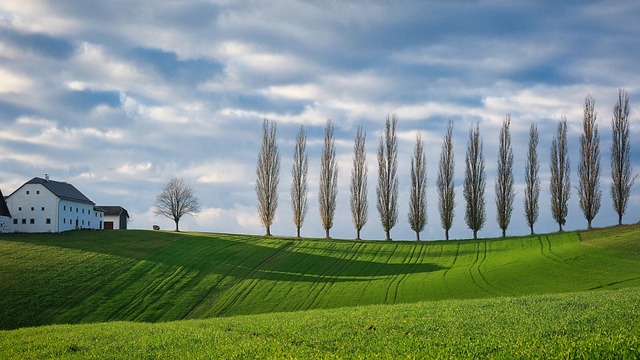
Are Farmhouse Home Plans Facing New Challenges After the Bat Discovery
David Gilmour’s Plans to Renovate His £2 Million Farmhouse Are Stalled by Discovery of Bats
The renovation of David Gilmour’s £2 million farmhouse has come to a standstill after the discovery of bats on the property. In the UK, such findings trigger immediate ecological assessments under strict wildlife protection laws. The case highlights how even high-profile projects must comply with conservation requirements that protect endangered species and their habitats. This situation underscores the complexity of balancing heritage renovation, environmental compliance, and modern design in rural development.
Overview of Farmhouse Home Plans in the UK
Farmhouse home plans across the UK often sit at the intersection of tradition and sustainability. Many rural properties are centuries old, making renovation projects subject to heritage preservation rules and modern energy standards. Planning authorities require applications for renovation or extension to demonstrate compatibility with both environmental and building regulations. The process is rarely straightforward, especially when dealing with listed buildings or properties within conservation areas.
Traditional Farmhouse Renovations and Sustainable Design
Traditional farmhouse renovations typically focus on retaining original architectural character while upgrading energy performance. Lime plaster, reclaimed timber beams, and natural stone are common materials used to preserve authenticity. Sustainability has become integral to these projects—heat pumps, solar panels, and improved insulation are now standard inclusions when permitted by local councils.
Planning Permissions for Rural Properties
Planning permission for rural properties demands careful navigation through national and local policies. Authorities assess proposals against frameworks such as the National Planning Policy Framework (NPPF), which emphasizes both sustainable development and biodiversity protection. Developers must often submit environmental impact statements detailing how proposed works will affect local ecosystems.
Balancing Modernization and Conservation
Balancing modernization with conservation remains one of the most challenging aspects of farmhouse renovation. Owners seek comfort and efficiency without compromising historical integrity or disturbing wildlife habitats. This balance shapes every stage of planning—from architectural design to construction sequencing.
Regulatory Framework Governing Wildlife Protection
Wildlife protection in the UK is governed by a robust legal framework designed to safeguard native species from harm during development activities. The discovery of bats on Gilmour’s property falls squarely within these protections.
Legal Mandates Under the Wildlife and Countryside Act 1981
Under the Wildlife and Countryside Act 1981, all bat species are protected from intentional harm or disturbance. It is illegal to destroy or obstruct access to their roosts, even if unoccupied at the time of work. Similar provisions exist under the Conservation of Habitats and Species Regulations 2017, which align domestic law with European directives.
Ecological Surveys Before Construction
Before any construction or renovation begins, developers must commission ecological surveys conducted by licensed professionals. These surveys identify protected species presence, assess potential impacts, and recommend mitigation strategies. Failure to perform these assessments can lead to enforcement actions or project suspension.
Penalties for Breaching Wildlife Laws
Breaches of wildlife protection legislation carry serious consequences—fines can reach tens of thousands of pounds per offense, alongside reputational damage and delays in project delivery. For high-value estates like Gilmour’s farmhouse, such interruptions can also increase holding costs substantially.
The Impact of Bat Discoveries on Farmhouse Home Plans
When bats are found within a property slated for renovation, construction cannot proceed until appropriate measures are approved by regulatory bodies such as Natural England. This requirement applies regardless of project scale or ownership status.
How Bat Colonies Affect Building Projects
Bats rely on stable roosting sites throughout their breeding cycles; disturbing them could threaten population stability locally. Once identified, colonies effectively freeze ongoing works until ecologists complete assessments and propose solutions acceptable under licensing conditions.
Required Steps Following a Bat Discovery
The discovery initiates a structured process involving multiple stages—assessment, reporting, mitigation design, and licensing approval—all before physical work can resume.
Ecological Assessment Procedures
A detailed bat survey must be carried out by licensed ecologists using acoustic monitoring equipment and night-time observation methods. These surveys determine which species inhabit the site—common pipistrelle or brown long-eared bats being frequent examples—and record seasonal activity patterns critical for planning safe intervention periods.
Mitigation and Licensing Measures
If roosts are confirmed active, developers must apply for a mitigation license from Natural England. This license outlines permitted activities during construction along with required compensatory actions such as installing bat boxes or creating alternative roosting spaces nearby.
Adjusting Construction Timelines
Construction schedules often need significant adjustment following bat discoveries. Work may only proceed outside breeding seasons—typically between late autumn and early spring—to avoid disruption during maternity periods when young bats cannot fly.
Architectural and Design Adaptations in Response to Wildlife Findings
Architectural teams increasingly integrate ecological considerations directly into farmhouse home plans rather than treating them as afterthoughts prompted by regulatory hurdles.
Integrating Conservation into Farmhouse Design
Modern farmhouse architecture now incorporates features like bat-friendly roofing materials that allow unobstructed flight access while maintaining weatherproof integrity. Low-intensity exterior lighting helps preserve nocturnal navigation routes essential for feeding behavior around hedgerows or water bodies near rural homes.
Balancing Aesthetic Goals with Legal Obligations
Designers face constant tension between visual authenticity and legal compliance. For instance, replacing traditional slate tiles might risk disturbing existing roosts; therefore architects often retrofit insulation beneath existing structures instead of full replacement. Using natural materials sourced locally reduces environmental impact while aligning with planning authority expectations for heritage sensitivity.
Economic Implications for Property Owners and Developers
Environmental compliance inevitably influences project economics—from initial survey costs to potential redesign fees—but it also yields long-term benefits tied to sustainability credentials.
Cost Considerations Linked to Environmental Delays
Extended ecological assessments can delay start dates by several months depending on species activity cycles. Each delay introduces additional costs: consultant fees, extended financing terms, temporary accommodation expenses if owners plan occupancy post-renovation, plus possible storage fees for construction materials awaiting clearance.
Long-Term Value of Eco-Compliant Farmhouse Renovations
Despite short-term financial strain, eco-compliant renovations tend to enhance property value over time. Buyers increasingly favor homes demonstrating environmental responsibility; estate agents report premium valuations for properties featuring renewable systems or certified biodiversity measures integrated into design schemes.
Broader Trends in Rural Development Policy
The intersection between heritage preservation and ecology continues shaping rural planning across Britain as awareness grows around biodiversity decline linked to human activity.
Evolving Relationship Between Heritage Preservation and Ecology
Policy evolution now treats built heritage not as isolated artifacts but as living environments interconnected with surrounding ecosystems. Local councils collaborate more closely with ecological consultants during early application phases ensuring that conservation principles extend beyond architecture into landscape management strategies supporting native fauna diversity.
Future Outlook for Farmhouse Home Plans Under Environmental Scrutiny
Future farmhouse home plans will likely feature even tighter integration between architecture and ecology driven by stricter policy enforcement combined with public demand for sustainable living environments. Collaboration among architects, ecologists, engineers, and regulators will define next-generation standards balancing heritage values with active habitat stewardship across rural Britain.
FAQ
Q1: Why did David Gilmour’s farmhouse renovation stop?
A: The discovery of bats triggered mandatory ecological protections that halted all building activity until proper assessments were completed under UK wildlife law.
Q2: Are bats always protected during construction projects?
A: Yes, all bat species in the UK receive full legal protection under national legislation preventing disturbance or destruction of their roosts regardless of location type.
Q3: How long can bat-related delays last?
A: Depending on survey outcomes and breeding seasons involved delays may range from several weeks up to an entire year before licenses allow resumption of work.
Q4: What mitigation options exist after finding bats?
A: Common measures include installing purpose-built bat boxes nearby creating new roost spaces within renovated roofs or timing works outside sensitive reproductive periods.
Q5: Do eco-compliant renovations add resale value?
A: Yes properties adhering to environmental standards generally command higher market prices due to their sustainability features reduced operating costs and enhanced reputation among eco-conscious buyers.