
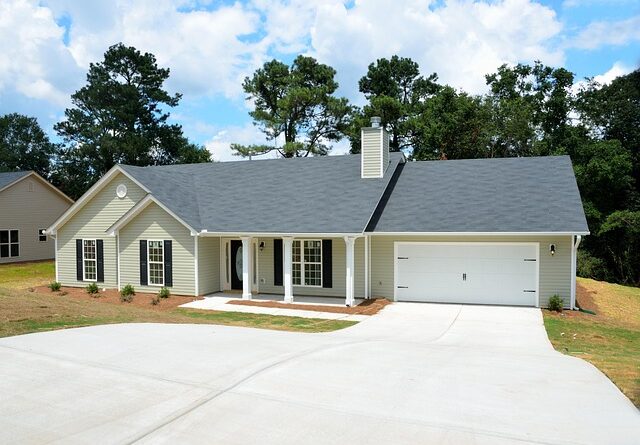
Can Single Story Home Plans Enhance Longevity Through Independent Aging
Researchers Link Single-Level Living to Longer Independent Aging
Recent research shows that single-story home plans contribute significantly to longer independent aging. The absence of stairs, intuitive layouts, and integration of adaptive design features allow older adults to maintain autonomy while minimizing physical strain and cognitive stress. These homes not only reduce fall risks but also promote psychological comfort by preserving familiarity and control over daily activities. As societies age, architects and policymakers are rethinking housing models to support health, safety, and dignity in later life. The evidence suggests that well-designed single-level homes can extend independent living years and improve overall quality of life.
The Relationship Between Home Design and Independent Aging
The connection between residential architecture and aging outcomes is becoming a central topic in gerontology and design research. Homes that anticipate physical decline or sensory changes early can prevent functional limitations from escalating into dependency.
Understanding the Concept of Aging in Place
Aging in place centers on allowing individuals to live independently in their own homes for as long as possible. It emphasizes autonomy, comfort, and emotional stability within familiar surroundings. Architectural design shapes this experience by influencing physical accessibility, cognitive orientation, and social engagement opportunities. For example, single-story layouts remove vertical barriers like stairs that can become hazardous with reduced mobility or balance issues.
How Residential Architecture Influences Longevity
Residential environments directly affect longevity through accessibility, safety, and mental stimulation. Features such as no-step entries, wide corridors, and barrier-free bathrooms reduce fall risks—one of the leading causes of injury among seniors. Spatial planning also affects mental health; open layouts encourage movement and interaction while reducing isolation. Ergonomic furniture placement, adjustable fixtures, and supportive lighting can delay or even eliminate the need for assisted living facilities.
The Functional Advantages of Single Story Home Plans for Aging Adults
Single-level housing has gained prominence as a practical solution for aging populations. Its spatial simplicity provides both functional ease and emotional reassurance.
Accessibility and Mobility Considerations
Single-story home plans eliminate the challenge of stairs entirely, easing mobility for those with arthritis or joint pain. Open floor concepts allow seamless transitions between rooms and accommodate wheelchairs or walkers without obstruction. Wider doorways—typically 36 inches or more—enable easier navigation for assistive devices while maintaining a sense of spaciousness that benefits all residents.
Safety Enhancements in Single-Level Homes
Safety remains a primary concern in aging-friendly design. Reduced elevation changes minimize tripping hazards within the home environment. Properly placed lighting—especially along hallways or near bathrooms—prevents nighttime accidents by improving visibility when vision is compromised. Slip-resistant flooring materials such as textured vinyl or matte-finish tiles further reduce accident potential during daily routines like cooking or bathing.
Design Elements that Support Health and Longevity in Single Story Homes
Designing for longevity involves more than removing barriers; it requires integrating features that actively promote wellness across physical and cognitive domains.
Ergonomic Interior Design Principles
Ergonomics influences how older adults interact with their living spaces. Adjustable countertop heights make kitchens usable whether standing or seated. Lever-style handles replace traditional knobs to accommodate reduced grip strength without sacrificing visual appeal. Rounded edges on counters and non-slip surfaces add layers of safety while maintaining an elegant aesthetic suitable for modern interiors.
Integration of Smart Home Technologies
Smart technologies now play a vital role in supporting independent aging. Automated lighting systems adjust brightness based on time of day to protect circadian rhythm health. Temperature controls maintain consistent comfort levels without manual adjustment difficulties. Voice-controlled assistants simplify everyday tasks like turning off lights or locking doors for those with limited mobility or vision impairments. Remote monitoring tools also provide peace of mind to families by tracking activity patterns discreetly.
Environmental Psychology and the Role of Spatial Layout in Aging Well
Beyond physical function, spatial layout profoundly affects mental well-being among older adults. Environmental psychology explores how space organization influences cognition, mood, and behavior.
Cognitive Benefits of Simplified Spatial Organization
Simplified layouts help residents navigate intuitively even when experiencing mild cognitive decline. Consistent visual cues—like uniform flooring or color-coded zones—support orientation within the home environment. Familiarity reduces confusion during routine movements such as finding the bathroom at night or locating storage areas, which lowers anxiety levels and helps preserve confidence in self-care activities.
The Impact of Natural Light and Ventilation on Well-being
Exposure to natural light regulates circadian rhythms essential for healthy sleep cycles among seniors who often face insomnia issues. Large windows oriented toward sunlight-rich directions enhance daylight penetration throughout living spaces. Cross ventilation improves air quality by reducing indoor pollutants that can exacerbate respiratory conditions common with age. Together these environmental factors sustain both physiological balance and emotional stability.
Economic and Social Implications of Adopting Single Story Home Plans for Aging Populations
The shift toward single-level housing brings measurable economic advantages alongside broader community benefits tied to inclusivity and policy innovation.
Cost Efficiency Over Time
Single-story homes typically incur lower maintenance costs than multi-level properties due to simpler structural systems and easier access for repairs. Energy-efficient insulation reduces heating and cooling expenses—a crucial factor for retirees on fixed incomes. Early investment in accessibility features prevents costly future renovations when mobility declines unexpectedly.
Community Planning and Policy Perspectives
Urban planners increasingly view one-level designs as integral components of age-friendly communities endorsed by global frameworks such as WHO’s Age-Friendly Cities initiative. Zoning policies may evolve to incentivize inclusive developments mixing accessible units with public amenities like healthcare centers or green spaces nearby. Collaboration among architects, healthcare providers, and municipal authorities ensures these projects address both current needs and future demographic shifts sustainably.
Future Directions in Research on Housing Design and Longevity Outcomes
Emerging studies continue exploring how architecture interacts with biological aging processes through interdisciplinary collaboration between health sciences and design disciplines.
Multidisciplinary Approaches to Independent Aging Studies
Integrating insights from gerontology, occupational therapy, biomechanics, and architecture provides richer data on how built environments influence independence trajectories over decades rather than months. Longitudinal research could quantify correlations between specific design variables—like corridor width ratios—and measurable health outcomes such as gait stability or fall frequency reduction rates.
Innovations in Adaptive Housing Solutions
Modular construction technologies now enable flexible reconfiguration as residents’ abilities change over time without full reconstruction costs. New composite materials featuring antimicrobial coatings enhance hygiene while improving durability against wear from mobility aids like walkers or scooters. Such innovations redefine what it means for housing to “age” gracefully alongside its occupants rather than against them.
FAQ
Q1: Why are single story home plans considered ideal for aging adults?
A: They eliminate stair use, reduce accident risk, simplify navigation, and support independence through accessible layouts suitable for varying mobility levels.
Q2: How do smart technologies enhance independent aging?
A: Automated systems manage lighting, temperature, security, and communication tasks hands-free, making daily living safer for individuals with limited dexterity or vision loss.
Q3: Are single-level homes more expensive initially?
A: Construction costs may be comparable to multi-story designs depending on land size but long-term savings arise from lower maintenance needs and energy efficiency.
Q4: What role does natural light play in elderly well-being?
A: Daylight exposure regulates sleep patterns, boosts mood through serotonin production, and contributes to better mental clarity during waking hours.
Q5: How can policymakers encourage age-friendly housing?
A: By updating zoning codes to permit accessible designs universally rather than treating them as special accommodations within community planning frameworks.