

Is The Modern Farmhouse Floor Plan Evolving Into The 2026 Standout Design
Meet the Next Era After Modern Farmhouse: A 2026 Standout Plan
The modern farmhouse floor plan once defined suburban aspiration, merging rustic character with clean-lined modernity. Yet by 2026, a quieter evolution is underway. The next era favors adaptive layouts, sustainable materials, and spatial calm over nostalgic charm. Homes are becoming less about style replication and more about human rhythm—spaces that flex with hybrid work, wellness routines, and environmental consciousness. The new standout plan doesn’t abandon farmhouse warmth; it refines it into something leaner, regionally grounded, and technologically aware.
The Evolution of the Modern Farmhouse Floor Plan
The modern farmhouse movement didn’t appear overnight; it was born from shifting cultural desires. As cities grew denser and digital fatigue spread, homeowners sought authenticity and tangible comfort in design.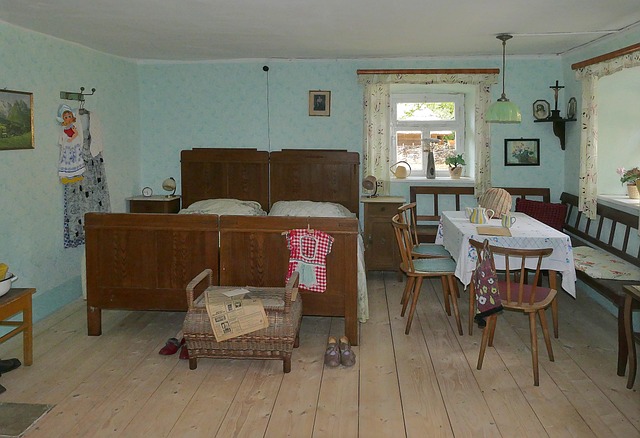
Tracing the Origins of the Modern Farmhouse Movement
The rise of modern farmhouse design reflected a counterpoint to urban minimalism. It revived the tactile appeal of wood beams, shiplap walls, and open kitchens reminiscent of rural America. Traditional American farmhouses influenced its proportions—pitched roofs, wraparound porches, and gabled silhouettes—while Scandinavian simplicity added restraint through clean lines and neutral tones. Early versions prioritized open-concept living where natural light flowed freely across communal areas. Natural materials like oak flooring or linen upholstery softened the geometry, creating homes that felt both grounded and current.
Design Principles That Defined Its Popularity
Comfort was central to the modern farmhouse floor plan. Designers balanced functionality with aesthetic calm through uncluttered layouts and honest materials. Indoor-outdoor continuity became a hallmark: sliding doors opened to patios or gardens that extended daily living beyond walls. Craftsmanship mattered—visible joinery, reclaimed wood mantels, or handmade tiles gave authenticity that mass production often lacked. Sustainability also entered quietly as homeowners favored energy-efficient windows or low-VOC finishes without compromising style.
Signs of Transition: Shifts in Spatial Priorities and Aesthetic Values
By mid-decade, subtle cracks began to show in the farmhouse formula. Open plans once celebrated for togetherness now faced scrutiny for noise and lack of privacy.
Changing Homeowner Expectations in 2024–2026
Between 2024 and 2026, lifestyle shifts accelerated demand for flexible space planning. Hybrid work reshaped domestic routines; dining rooms doubled as offices while spare bedrooms evolved into media zones or nurseries as families changed size. Privacy regained importance within open layouts—pocket doors or acoustic partitions allowed separation without losing flow. Homeowners also valued mental wellness zones like reading alcoves or small courtyards offering quiet retreat from digital overload.
The Influence of Technology on Spatial Design
Technology moved from convenience feature to spatial driver. Smart systems now dictate how kitchens are arranged around induction hubs or how lighting responds to circadian rhythms. AI-assisted design tools simulate daylight patterns before construction begins, guiding architects toward energy-efficient configurations. Automation no longer hides behind walls; it becomes part of aesthetic language through sleek panels or integrated sensors that complement minimalist interiors.
Emerging Aesthetic Directions Beyond the Modern Farmhouse Look
Designers are steering away from pure nostalgia toward hybrid expressions that blend texture with precision.
The Rise of Transitional and Contemporary Hybrids
Transitional styles merge rustic tactility with geometric clarity—think limewashed brick beside black steel framing or fluted wood cabinetry offset by marble slabs. Neutral palettes evolve into warmer spectrums: clay beige replacing stark white, brass fixtures adding depth against muted stone counters. Minimalist detailing remains but gains soul through handcrafted imperfections—a balance between refinement and humanity.
Material Innovation in the Post-Farmhouse Era
Material experimentation defines this phase. Recycled composites replace virgin timber without losing warmth; engineered woods offer stability for shifting climates; carbon-neutral coatings reduce footprint while enhancing durability. Textural layering becomes key: matte metals beside rough plaster evoke subtle contrast under natural light. Sustainable sourcing now influences not just structure but also emotional tone—homes feel ethically built as much as beautifully designed.
Functional Evolution: Layouts for Future Lifestyles
Form follows lifestyle again—but this time flexibility outpaces tradition.
Adaptive Floor Plans for Multi-Purpose Living
Future-ready homes use reconfigurable partitions enabling one room to serve multiple functions throughout a day cycle—a yoga studio at dawn becomes a guest suite by evening. Wellness integration grows mainstream: meditation corners tucked near stair landings or compact fitness nooks adjacent to terraces reflect holistic living trends. Designers aim for seamless transitions between solitude spaces and social hubs so daily life flows naturally rather than rigidly segmented.
Outdoor Connectivity as a Core Design Principle
Outdoor connection evolves beyond decorative decks into architectural necessity. Courtyard-centered layouts enhance cross-ventilation while drawing daylight deep indoors—a passive cooling strategy aligned with global energy goals cited by IEA reports on residential efficiency standards (IEA Building Energy Data Book). Covered patios transform into year-round extensions fitted with weather-responsive shading systems. Landscape design blurs edges between home and nature using native plant palettes that reduce irrigation needs yet maintain visual softness.
The 2026 Standout Design Language: What Comes After Modern Farmhouse?
As design maturity grows, aesthetic direction shifts from nostalgia toward timeless sophistication rooted in sustainability rather than memory.
Conceptual Shifts Defining Next-Era Residential Architecture
The coming era prizes biophilic principles—spaces fostering mental clarity through natural ventilation, organic textures, and rhythmic daylighting patterns validated by WELL Building Standard metrics (IWBI). Architecture begins expressing regional identity again: desert homes adopt rammed earth facades; coastal builds use salt-tolerant timbers instead of imported cedar. This return to locality strengthens both resilience and cultural continuity while reducing embodied carbon across supply chains.
Anticipated Trends Shaping the 2026 Market Outlook
Market data from Bloomberg’s housing forecast suggests growing preference for smaller footprints paired with higher spatial efficiency as affordability pressures rise globally (Bloomberg Housing Outlook 2025). Modular construction gains traction for its customization potential—factory-built segments assembled on-site shorten timelines while maintaining precision tolerances set by ISO 21930 sustainability standards (ISO). Aesthetic focus shifts toward “quiet luxury”: fewer decorative gestures but richer tactile experiences like linen drapery or honed limestone surfaces emphasizing quality over display.
Strategic Implications for Designers and Builders in 2026 and Beyond
This transformation demands strategic recalibration across practice disciplines—from concept sketching to client communication.
Rethinking Design Frameworks for Future Readiness
Architects increasingly embed adaptability within planning frameworks using predictive modeling tools aligned with IEC smart building protocols (IEC TC57). Environmental responsiveness becomes baseline expectation rather than optional feature as climate volatility intensifies material selection criteria worldwide. Collaboration expands beyond traditional silos; technologists contribute data-driven insights while material scientists test carbon-negative composites suitable for residential scale deployment.
Positioning the Next Generation of Floor Plans for Market Relevance
To stay relevant post-farmhouse, firms must craft narratives connecting emotional resonance with measurable sustainability metrics such as LEED v5 certification benchmarks (USGBC). Architectural storytelling replaces trend mimicry—designers articulate why forms matter socially or ecologically instead of merely replicating aesthetics seen online catalogs rarely capture nuance anyway. Scalable templates adaptable across markets—from compact urban infill lots to rural eco-villages—will define competitive advantage heading toward 2030 housing cycles projected by IRENA’s renewable integration roadmap (IRENA).
FAQ
Q1: What distinguishes the next-era home from the traditional modern farmhouse?
A: It emphasizes adaptive function, regional materials, and biophilic calm over purely rustic nostalgia.
Q2: How is technology influencing future floor plan design?
A: AI-assisted modeling and smart infrastructure shape layout efficiency while integrating seamlessly into visual design language.
Q3: Why are smaller footprints gaining popularity?
A: Rising construction costs and sustainability goals push buyers toward compact yet high-performing spaces offering equal comfort.
Q4: What materials define post-farmhouse architecture?
A: Recycled composites, engineered timber, matte metals, and limewash finishes dominate due to durability and low environmental impact.
Q5: How can builders prepare for these shifts?
A: By aligning projects with international sustainability standards like ISO energy frameworks and adopting modular methods supporting rapid adaptation across markets globally.