
Is Home Depot Stone Paneling the Affordable Tile Alternative Designers Prefer
The Affordable Tile Alternative These Celebrity Designers Use to Warm Up a Kitchen
Celebrity designers have increasingly turned to Home Depot stone paneling as a practical yet visually rich alternative to traditional tile. The reason is simple: it delivers architectural depth and warmth at a fraction of the cost. This material offers the tactile realism of natural stone while maintaining the accessibility and consistency that retail sourcing provides. For professionals managing tight timelines or multi-unit developments, its combination of texture, affordability, and ease of installation makes it an appealing solution for modern kitchen renovations.
The Shift Toward Textured Wall Finishes in Modern Design
Modern interiors are moving away from flat, sterile surfaces toward finishes that evoke natural tactility. Designers seek materials that engage both sight and touch, creating spaces that feel lived-in yet refined.
Designers Are Increasingly Opting for Tactile Materials to Add Depth and Warmth
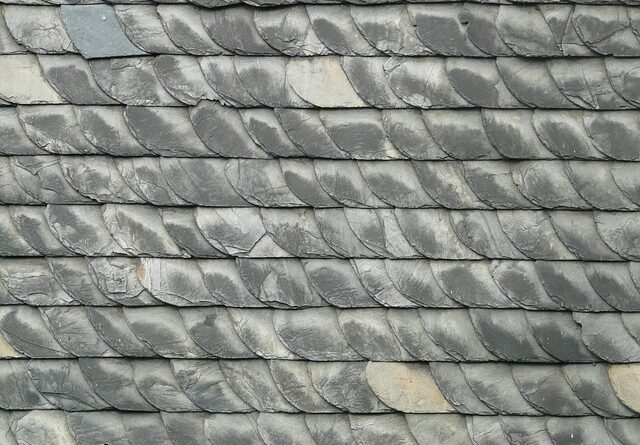
The current design movement favors surfaces that break visual monotony. Stone paneling introduces irregular textures and subtle color variations, qualities that machine-finished tiles rarely achieve. This tactile quality softens sleek cabinetry and metal fixtures, preventing kitchens from feeling overly industrial.
Stone Paneling Introduces Organic Texture That Tile Often Lacks
Unlike glazed tile, which reflects light evenly, stone panels scatter illumination across their uneven faces. This interplay produces shadow gradients that shift throughout the day, lending dimension to walls. Such organic variation complements both rustic farmhouse and urban loft aesthetics.
The Visual Weight of Stone Creates a Grounded, Architectural Aesthetic
Stone’s inherent mass gives interiors a sense of permanence. Even lightweight veneer panels emulate structural solidity, anchoring open-plan kitchens visually without adding structural burden. The effect is architectural rather than decorative.
Why Designers Are Turning to Retail-Sourced Materials
Retail availability has changed how professionals source finishes. Once limited to trade-only suppliers, designers now rely on retail giants for consistent stock and predictable logistics.
Accessible Retail Options Like Home Depot Make High-End Looks More Attainable
Home Depot’s stone paneling collections provide an accessible route to achieving luxury finishes without bespoke fabrication costs. For clients seeking value-conscious elegance, this bridge between affordability and authenticity is crucial.
Consistent Supply and Standardized Sizing Simplify Large-Scale Design Projects
Retail-sourced materials come with standardized dimensions and reliable replenishment cycles. This predictability allows designers to plan installations across multiple properties with minimal variance in appearance or fit.
The Democratization of Design Materials Allows Professionals to Work Efficiently Within Budget Constraints
By sourcing through major retailers, professionals can maintain design integrity even under strict budgets. This accessibility also empowers smaller studios to compete with large firms on both aesthetic quality and project delivery speed.
Comparing Stone Paneling to Traditional Tile Applications
Choosing between stone paneling and tile depends on performance expectations, visual goals, and installation logistics. Each material carries distinct advantages tied to its composition.
Material Composition and Performance Differences
Stone panels often consist of natural or engineered veneers bonded onto lightweight substrates. Tiles rely on ceramic or porcelain bases fired at high temperatures for hardness. While tiles excel in water resistance, composite stone panels balance durability with ease of handling during renovation work.
Installation Techniques Vary Significantly Between Adhesive-Mounted Panels and Grouted Tile Systems
Tile requires precise spacing and grouting for alignment; stone panels typically interlock or mount directly with construction adhesive. This difference reduces labor hours significantly—an important factor in commercial rollouts or fast-track remodels.
Visual and Textural Impact in Interior Spaces
Stone paneling introduces dimensional relief where tile offers planar uniformity. Designers often use it behind range hoods or breakfast bars where directional lighting enhances shadows along the surface texture.
Cost Efficiency and Value Considerations
The appeal of Home Depot stone paneling extends beyond aesthetics; cost structure plays a decisive role in its adoption by professionals balancing design ambition with financial responsibility.
Price Comparison Between Stone Panels and Tile Installations
While raw tile may appear cheaper per square foot, total installation costs tell another story. Stone panels often arrive pre-mounted in modular sections that reduce cutting time and grout expenses. For large wall applications, these savings accumulate quickly.
Tile Installations Often Involve Additional Expenses for Grout, Sealants, and Precision Cutting
Every joint in a tiled surface adds labor complexity—from spacing calibration to post-install sealing—making total project cost higher despite lower material pricing at purchase stage.
Longevity and Maintenance Implications
Properly sealed stone veneer resists moisture absorption comparable to glazed surfaces while avoiding grout discoloration issues common in tiled backsplashes. Periodic resealing every few years maintains its resilience against staining from cooking oils or steam exposure.
Design Versatility of Home Depot Stone Paneling in Kitchens
Beyond cost efficiency lies creative freedom. Designers use Home Depot stone paneling as both focal accent and continuous surface unifier across different zones within a kitchen layout.
Creating Warmth Through Natural Texture and Tone Variation
Natural tone gradations—from sandy beige to charcoal gray—introduce warmth unmatched by synthetic laminates. When paired with brass fixtures or walnut cabinetry, these hues create balanced contrast between cool metals and organic minerals.
Integration with Other Surface Materials
Blending materials effectively demands sensitivity to proportion, finish sheen, and tonal continuity across surfaces.
Pairing with Countertops and Backsplashes
Contrasting matte stone against polished quartz counters achieves equilibrium between roughness and refinement. Repeating subtle veining patterns across backsplash zones establishes visual rhythm without overwhelming the eye.
Coordinating with Flooring and Cabinetry Finishes
Neutral stones integrate seamlessly with oak or ash cabinetry for an organic palette suited to transitional interiors. In contemporary settings dominated by stainless-steel hardware, cooler gray stones maintain cohesion while preserving warmth through texture rather than color alone.
Installation Practicalities for Professional Designers
From substrate evaluation to layout sequencing, technical planning determines whether aesthetic intentions translate successfully into built form.
Assessing Substrate Requirements and Weight Load Limits
Even lightweight veneer systems exert notable load on wall framing; confirming stud spacing before installation prevents deflection over time. Adhesive formulation must match substrate type—cement board behind cooktops versus drywall on accent walls—to guarantee adhesion integrity under thermal stress.
Streamlining Installation Workflows in Renovation Projects
Time efficiency remains central when kitchens must return to operation quickly after renovation phases conclude.
Pre-Fabricated Panel Systems for Efficiency
Many Home Depot offerings feature modular interlocking edges that snap together like puzzle pieces. This design minimizes waste material while ensuring alignment across expansive surfaces such as island backdrops or tall pantry walls.
Handling Transitions Around Fixtures and Openings
Mitered corner cuts around windows preserve continuity of grain direction—a detail often overlooked but essential for professional finish quality. Planning layout sequences before adhesive application avoids misalignment near focal appliances like range hoods where lighting exaggerates seams.
Evaluating Sustainability and Sourcing Ethics in Retail Stone Products
Sustainability concerns increasingly shape procurement decisions among top-tier designers conscious of environmental accountability within supply chains.
Environmental Footprint of Manufactured Versus Natural Stone Panels
Engineered composites frequently incorporate recycled aggregates bound by resin matrices that reduce quarry extraction needs. Conversely, natural options require transparent documentation regarding mining practices aligned with ISO 14001 environmental management standards.
Supply Chain Accountability at Major Retailers Like Home Depot
Large-scale retailers maintain partnerships with certified suppliers audited under recognized ethical sourcing frameworks such as ISO 20400 on sustainable procurement principles. These measures reassure specifiers prioritizing traceability alongside performance metrics during material selection processes.
How Expert Designers Leverage Home Depot’s Accessibility Advantage
Retail distribution not only broadens access but also transforms workflow strategies for professional studios managing concurrent projects nationwide.
Balancing Aesthetic Intent with Project Timelines
Readily available stock prevents schedule delays common when waiting on custom orders from overseas quarries. Predictable inventory cycles allow synchronized deliveries aligning with contractor milestones—critical when coordinating multiple trades onsite simultaneously.
Using Retail Sourcing as a Strategic Design Tool
Designers treat retail-sourced materials not as compromises but as adaptable foundations capable of customization through detailing finesse.
Customizing Standard Materials Through Detailing
Through selective cutting patterns or layered lighting schemes, even mass-produced panels achieve bespoke character suited to individual client narratives without inflating budgets unnecessarily.
Enhancing Client Perception Through Informed Material Choices
When professionals articulate how accessible materials like Home Depot stone paneling deliver luxury appeal efficiently, clients perceive added value rooted in expertise rather than expenditure—a subtle but powerful differentiator within competitive markets.
FAQ
Q1: What makes Home Depot stone paneling different from standard tile?
A: It offers greater textural depth through natural or composite veneers mounted in modular systems that install faster than traditional grout-based tiles.
Q2: Can stone paneling be used safely near kitchen heat sources?
A: Yes, most products are rated for moderate heat exposure typical around ranges when installed over appropriate substrates like cement board.
Q3: How often should sealed stone panel surfaces be maintained?
A: Resealing every two to three years preserves stain resistance depending on humidity levels and cooking activity intensity within the space.
Q4: Is retail-sourced stone suitable for commercial projects?
A: Many designers specify it for restaurants or hospitality spaces due to consistent sizing standards that simplify large-scale procurement logistics.
Q5: Does using retail-sourced materials compromise sustainability goals?
A: Not necessarily; many retailers partner with certified suppliers adhering to international environmental standards ensuring responsible extraction or recycled content usage where applicable.