
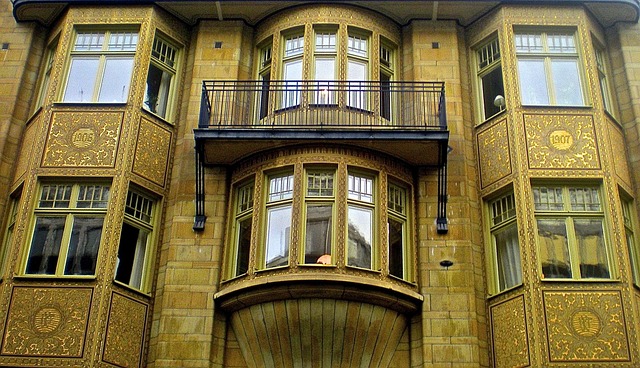
How Does the Gold Facade Reflect Gaudí’s Vision in the Sagrada Familia
Sagrada Familia, Glory Facade, Gaudí, Sacred Architecture, Parametric Design
The Sagrada Familia’s Glory Facade stands as a synthesis of sacred symbolism and computational precision. Rooted in Antoni Gaudí’s devotion to divine geometry, it transforms natural form into theological narrative. The gold facade, shimmering under Barcelona’s sun, represents both spiritual transcendence and technological mastery. Its parametric design continues Gaudí’s organic methodology through digital fabrication, merging faith with innovation. This article examines how the facade’s materiality, geometry, and light embody a contemporary manifestation of sacred architecture while maintaining fidelity to Gaudí’s original vision.
The Conceptual Foundation of Gaudí’s Vision in the Sagrada Familia
Gaudí’s architectural philosophy was inseparable from his spiritual convictions. His approach to form was guided by the belief that nature reflected divine order. The Sagrada Familia exemplifies this synthesis of structure and faith.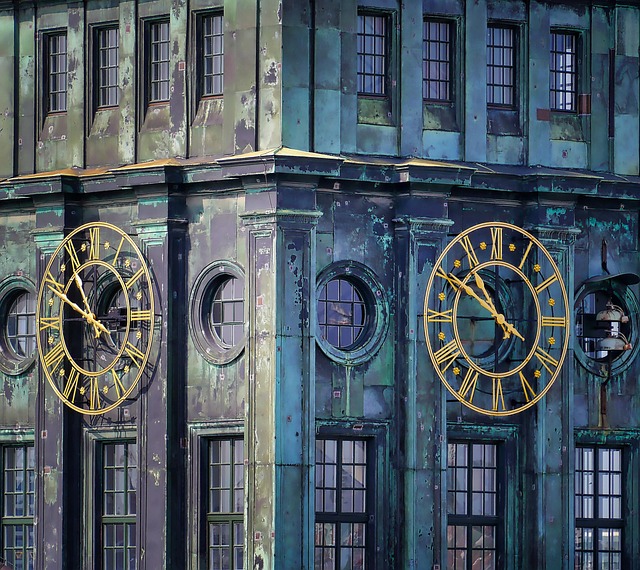
The Integration of Nature and Divinity in Architectural Form
Gaudí drew inspiration from natural geometries—spirals, catenary curves, and branching systems—to symbolize cosmic harmony. These organic structures were not aesthetic choices alone but metaphors for divine creation. Biomimicry in his design served as an architectural theology: columns mimicked tree trunks supporting a celestial canopy, while parabolic arches mirrored gravitational balance. The gold facade extends this dialogue between nature and divinity; its reflective surfaces turn sunlight into a metaphor for sacred illumination.
Symbolism and Theological Intent in the Sagrada Familia’s Design
Each major facade narrates a phase of Christ’s life: Nativity celebrates birth and hope; Passion depicts sacrifice; Glory represents resurrection and eternal light. The Glory Facade’s gilded elements signify transcendence—the soul’s ascent toward divine radiance. For Gaudí, architecture was scripture written in stone; every material choice carried theological intent. Through proportion and ornamentation, he transformed physical matter into spiritual expression.
The Architectural Evolution of the Glory Facade
The evolution of the Glory Facade reveals how contemporary architects interpret Gaudí’s unfinished vision while preserving its essence. Digital tools now serve where plaster models once did.
From Gaudí’s Original Drawings to Contemporary Interpretation
Surviving sketches show Gaudí intended the Glory Facade to shimmer with radiant materiality—a gateway to eternity. Modern teams use parametric modeling to translate these sketches into precise geometries that capture light dynamically across its surface. This fusion of tradition and innovation gives rise to the gold facade as both homage and reinvention: faithful to historical intent yet realized through twenty-first-century technology.
Structural Composition and Spatial Hierarchy of the Glory Facade
The facade rises vertically in symbolic ascent—from earthly struggle at its base to celestial triumph at its pinnacle. Its composition follows rhythmic hierarchies defined by parametric geometry, creating a visual cadence akin to liturgical chant. Light is not incidental but engineered; reflective planes amplify solar movement throughout the day, turning architecture into temporal theology where illumination equals revelation.
Materiality and Symbolism of the Gold Facade
Material choice in sacred architecture often conveys doctrine as much as design. In the Sagrada Familia, gold is both symbol and medium—a conduit between human craftsmanship and divine presence.
The Use of Gold as a Symbolic Medium in Sacred Architecture
Gold has long embodied purity, immortality, and divine essence—from Byzantine mosaics to Gothic altarpieces. On the Sagrada Familia’s Glory Facade, gold surfaces capture sunlight like celestial fire, reinforcing themes of resurrection and eternal life. Its reflective quality transforms natural light into an immaterial glow that suggests God’s omnipresence rather than mere decoration.
Technological Innovations Behind the Gold Facade’s Construction
Advanced coating technologies provide durability against urban weathering while maintaining luminosity over decades. Parametric design allows precise control over curvature so reflections remain consistent across changing angles of view. Sustainable materials are integrated where possible—aligning construction with environmental ethics increasingly central to contemporary sacred architecture.
Parametric Design as a Continuation of Gaudí’s Organic Methodology
Gaudí worked experimentally with hanging chains and gravity-based models; today’s architects use algorithms instead of sandbags but pursue similar logic—letting form emerge from natural law.
Computational Techniques Inspired by Gaudí’s Geometric Logic
Digital modeling replicates catenary curves that once hung from Gaudí’s workshop ceilings. Algorithmic processes generate ruled surfaces analogous to his handcrafted geometries yet scalable for modern fabrication. This continuity bridges centuries: computation becomes a digital echo of Gaudí’s analog experiments with nature-derived proportion.
Harmonizing Tradition with Innovation Through Digital Fabrication
CNC milling carves stone components with millimetric accuracy once achieved only by master artisans’ chisels. 3D printing aids in prototyping intricate reliefs before full-scale realization. Such data-driven precision safeguards proportional integrity across thousands of sculptural fragments while allowing expressive freedom within structural constraints—the same balance Gaudí sought through craft intuition.
Light, Perception, and Spiritual Experience on the Gold Facade
Light is central to sacred space—it animates matter into meaning. On the gold facade, light becomes narrative rather than illumination alone.
Interaction Between Natural Light and Architectural Form
Throughout the day, sunlight shifts across gilded planes like moving scripture: dawn brings soft warmth symbolizing creation; noon ignites brilliance signifying divine presence; dusk cools into reflection on mortality. Each phase transforms perception—architecture becomes temporal art shaped by solar rhythm rather than static monumentality.
Phenomenological Reading of Light in Sacred Architecture Contexts
In phenomenological terms, light operates simultaneously as substance and spirit within liturgical architecture—it reveals form while transcending it. The gold facade mediates between tangible structure and intangible faith; reflection dissolves material boundaries so worshippers perceive radiance as presence itself rather than optical effect.
Interpreting the Gold Facade as a Contemporary Manifestation of Sacred Architecture
The completion process invites debate among architects about authenticity versus adaptation—how far one may innovate without betraying sanctity.
Continuity Between Historical Vision and Modern Execution
Current builders uphold Gaudí’s theological framework even as they employ robotics and digital simulation unknown in his era. Collaboration among architects, engineers, artisans mirrors medieval guild traditions reimagined through modern teamwork—a collective devotion rendered in stone and metal rather than manuscript or fresco.
Cultural and Liturgical Implications for Modern Audiences
For Barcelona, the gold facade reinforces identity at the crossroads of art, faith, and science—a living testament that sacred architecture can evolve without losing soul. It provokes dialogue on how contemporary materials express ancient truths: whether reflective coatings or algorithmic curves can still convey transcendence once achieved through hand-carved stone alone.
FAQ
Q1: Why did Gaudí choose natural geometries for his designs?
A: He believed nature expressed divine order; geometric patterns like spirals or catenary arches reflected God’s rational creation more faithfully than classical symmetry.
Q2: What does the gold facade symbolize?
A: It represents eternal light and resurrection—transforming sunlight into a metaphorical manifestation of divinity within architectural form.
Q3: How does parametric design relate to Gaudí’s methods?
A: Parametric modeling digitally replicates his experimental use of physical models governed by gravity-based geometry, continuing his organic design logic through computation.
Q4: What technological innovations support the gold facade?
A: Techniques include advanced metallic coatings for longevity, CNC milling for sculptural precision, and sustainable composites aligning with modern conservation principles.
Q5: How does light influence spiritual experience at the Sagrada Familia?
A: Changing daylight animates surfaces throughout hours—turning architecture into dynamic scripture that evokes contemplation rather than passive observation.