
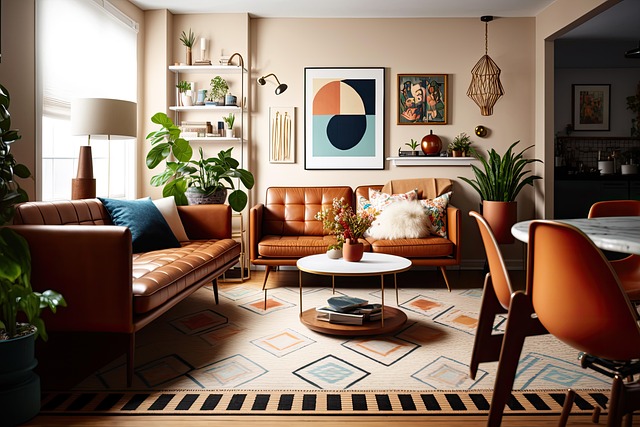
Are Mid Century Modern Interior Design Classics Still Defining Timeless Aesthetics
Eight Mid-Century Modern Designs That Never Stopped Being Produced
Mid-century modern interior design continues to shape how professionals and collectors define timeless elegance. Pieces born in the 1940s through the 1960s remain in production not from nostalgia, but because their structural clarity, material honesty, and ergonomic intelligence still meet today’s standards. These designs—by Eames, Nelson, Saarinen, Wegner, and others—prove that good design transcends fashion cycles. They represent a rare intersection of art, technology, and human comfort that modern manufacturing still strives to emulate.
The Enduring Legacy of Mid-Century Modern Interior Design
The legacy of mid-century modern interior design lies in its synthesis of industrial progress with human-centered aesthetics. Designers sought a visual language that balanced optimism with practicality, producing interiors that felt both efficient and emotionally warm.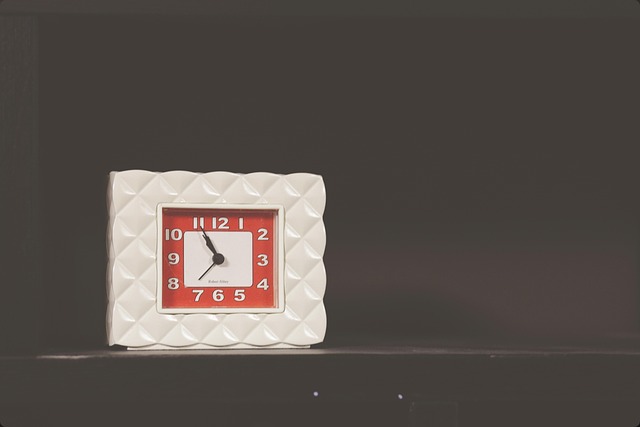
The Core Principles of Mid-Century Modernism
Simplicity defined the movement. Clean lines replaced ornamentation, while open plans emphasized flow between spaces. Functionality was paramount; every object had a purpose beyond its form. Organic shapes softened geometric rigor, creating interiors that felt natural rather than mechanical. Post-war optimism spurred experimentation with new materials like molded plywood, fiberglass, and steel tubing—each symbolizing progress. Industrial innovation gave designers tools to democratize beauty through mass production without sacrificing craftsmanship.
Why Mid-Century Modernism Remains Culturally Relevant
Its relevance endures because it aligns with today’s minimalist and sustainable philosophies. The emphasis on durable materials and modularity resonates with eco-conscious consumers seeking longevity over disposability. Mid-century furniture adapts easily to contemporary architecture—from glass-walled apartments to adaptive reuse projects—thanks to its restrained proportions and neutral palettes. Its influence persists across product design, from office systems to lighting solutions that echo its clarity and restraint.
Iconic Furniture That Defined the Era and Beyond
These enduring icons illustrate how design excellence can outlast economic shifts and aesthetic trends. Their continued production validates their technical precision and emotional resonance.
The Eames Lounge Chair and Ottoman: Comfort Meets Craftsmanship
Designed in 1956 by Charles and Ray Eames, this chair integrated molded plywood shells with supple leather upholstery—a union of industrial process and handcraft. It embodied relaxed sophistication suitable for both homes and executive offices. The chair’s ergonomic contours remain unmatched; Herman Miller still produces it using original specifications, demonstrating the timelessness of its engineering logic.
The Noguchi Table: Sculptural Balance in Functional Form
Isamu Noguchi’s 1947 coffee table fused sculpture with utility. Two curved wooden elements interlock beneath a freeform glass top, creating balance through tension rather than symmetry. Its transparency lends visual lightness to interiors dominated by solid forms. Collectors prize originals for their biomorphic purity, while new editions continue to attract architects who value furniture as spatial art.
Lighting Innovations That Shaped Spatial Perception
Lighting was central to how mid-century designers shaped atmosphere—using materials once reserved for industry to create domestic poetry.
Arco Floor Lamp by Castiglioni: Engineering Elegance in Illumination
Achille and Pier Giacomo Castiglioni’s 1962 Arco lamp redefined floor lighting through an adjustable arc extending from a marble base. Its stainless-steel stem allowed overhead illumination without ceiling mounts—an elegant solution for flexible living spaces. The lamp remains a sculptural anchor in both minimalist lofts and corporate lounges.
George Nelson Bubble Lamps: Diffused Light as a Design Statement
Introduced in 1952, George Nelson’s Bubble Lamps used self-webbing plastic stretched over metal frames to diffuse light softly across rooms. Their cloud-like forms added warmth to otherwise austere interiors. Still produced today under license, they demonstrate how simple materials can produce emotional depth when shaped by thoughtful engineering.
Seating Designs That Redefined Functionality and Form
Seating became a laboratory for exploring comfort through structure rather than padding alone—a principle still guiding ergonomic design research.
Saarinen’s Womb Chair: Organic Comfort Through Structural Innovation
Eero Saarinen designed the Womb Chair in 1948 for Florence Knoll to offer psychological security within open-plan environments. Its fiberglass shell supported multiple postures while maintaining visual lightness. This combination of form-fitting structure and soft upholstery influenced later ergonomic seating systems across residential and contract markets.
Hans Wegner’s Wishbone Chair: Craftsmanship Rooted in Tradition
Hans J. Wegner’s 1949 Wishbone Chair merged Danish woodworking heritage with modernist simplicity. Made from steam-bent wood with a handwoven paper cord seat, it encouraged tactile interaction while maintaining architectural clarity. Its enduring presence in restaurants and homes underscores its adaptability across decades of changing taste.
Storage Solutions That Embody Modular Thinking
Storage furniture reflected mid-century ideals of flexibility—anticipating today’s modular systems designed for compact urban living.
George Nelson’s Storage Wall System: Adaptability in Living Spaces
Nelson’s Storage Wall introduced modular storage before the term became mainstream. Combining open shelves with closed cabinets and media units, it treated walls as functional architecture rather than mere boundaries. This concept directly influenced later modular systems emphasizing customization—a principle now standard in contemporary furniture manufacturing.
The Architectural Integration of Mid-Century Design Ideals Today
Contemporary interiors reinterpret these classics not as relics but as frameworks adaptable to new lifestyles.
How Contemporary Interiors Reinterpret Classic Forms
Designers now pair vintage originals with updated materials like recycled plastics or carbon fiber while preserving proportions true to the originals. Restoration practices maintain authenticity yet integrate modern standards such as fire safety or digital connectivity ports discreetly within classic silhouettes. This dialogue between heritage aesthetics and modern needs keeps mid-century modern interior design alive as an evolving language rather than a static style.
The Continuing Production and Market Dynamics of Mid-Century Icons
The ongoing manufacture of these pieces depends on careful stewardship of intellectual property and consumer demand rooted in cultural capital.
Manufacturing Continuity and Licensing Practices
Authorized manufacturers uphold original molds, finishes, and dimensions under strict licensing agreements that protect design integrity over decades. Challenges persist around unauthorized reproductions flooding markets; authenticity verification has become essential for collectors seeking investment-grade pieces.
Collector Demand and Cultural Capital in the Modern Marketplace
Original mid-century furniture commands premium prices at auctions due to scarcity and provenance documentation. Museums curate exhibitions celebrating these works as industrial art forms—further reinforcing their cultural value beyond utility.
Mid-Century Modernism as a Framework for Timeless Aesthetics
Beyond individual objects lies a philosophy emphasizing proportion, honesty, and human connection—all central to enduring design quality.
Philosophical Underpinnings Behind Timeless Appeal
The balance between technological innovation and human scale defines why these designs remain relevant decades later. Material honesty—revealing structure rather than concealing it—continues to guide architects seeking authenticity amid digital fabrication trends.
Future Directions Inspired by Mid-Century Ideals
Sustainability now echoes mid-century values of durability over disposability. Digital fabrication offers new ways to reinterpret classic forms using renewable materials while retaining the spirit of craftsmanship that defined the era’s best work.
FAQ
Q1: Why do mid-century modern designs remain popular today?
A: Their simplicity, functionality, and honest use of materials align closely with current minimalist lifestyles focused on sustainability.
Q2: Which manufacturers still produce original mid-century pieces?
A: Companies like Herman Miller, Knoll, Vitra, Fritz Hansen, Cassina continue licensed production using original specifications verified by designer estates.
Q3: How can one verify authenticity when purchasing vintage furniture?
A: Authentic pieces carry manufacturer labels or serial numbers; provenance records from authorized dealers further confirm legitimacy against reproductions.
Q4: Are mid-century designs compatible with smart home technology?
A: Yes; many designers retrofit classics with discreet power modules or wireless charging surfaces without altering visual integrity.
Q5: What defines true mid-century modern interior design versus imitation styles?
A: True designs emphasize proportionate geometry, natural textures like wood or leather, minimal ornamentation, and an underlying respect for human comfort rooted in functional clarity.