
Can AI Redefine House Interior Design or Will Human Creativity Prevail
What Happens When AI Starts Designing Our Homes? Interior Designers Weigh In
Artificial intelligence is no longer a futuristic concept in the creative industries—it’s already reshaping how house interior spaces are conceived and executed. Interior designers now collaborate with algorithms that can sketch layouts, test lighting moods, and even predict how a family might use a room over time. The result isn’t the replacement of human creativity but its amplification. When AI starts designing homes, it brings speed, precision, and data-driven insight, while human designers provide narrative and emotional depth. The intersection of these two forces marks a new chapter in design thinking—one that’s analytical yet deeply personal.
The Intersection of Artificial Intelligence and Interior Design
AI’s influence on spatial design is expanding rapidly across both residential and commercial projects. Designers increasingly rely on digital tools not just for visualization but for generating ideas that align with user lifestyles and sustainability goals.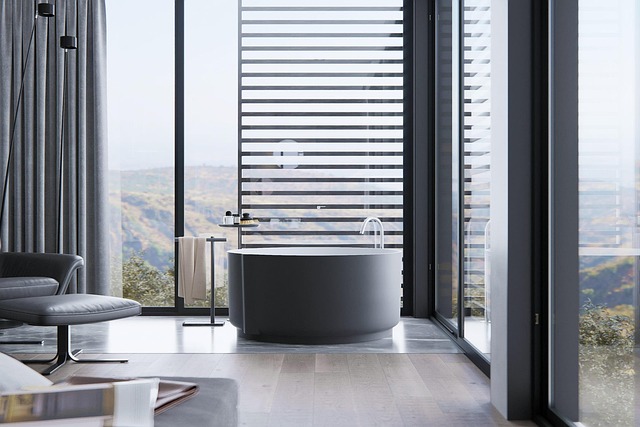
AI’s Emerging Role in Spatial Design
AI tools now generate floor plans, color palettes, and furniture layouts based on user preferences. These systems analyze spatial constraints to propose optimized configurations that balance form and function. For instance, generative algorithms can assess light exposure in a living room before suggesting wall finishes or furniture placement. Machine learning enables adaptive design systems that evolve with continuous feedback from occupants—learning which zones are most used or which lighting conditions feel most comfortable.
The Technological Foundations Behind AI-Driven Interior Design
Behind these creative outputs lie neural networks capable of simulating human-like creativity in spatial arrangement. Generative design models process thousands of layout possibilities within seconds, testing each against ergonomic data and environmental metrics such as air quality or energy consumption. Data-driven platforms integrate sustainability parameters directly into the design workflow, helping architects create interiors that minimize waste while maximizing livability. Predictive modeling further enhances this process by running scenario-based simulations—for example, how a house interior might perform under different seasonal conditions.
How AI is Transforming the Workflow of Interior Designers
The integration of AI into professional practice has redefined traditional workflows. Instead of replacing designers, intelligent systems handle repetitive technical tasks while freeing creative professionals to focus on experiential storytelling.
Automation of Repetitive Design Tasks
Drafting floor plans or rendering 3D visualizations once consumed hours; now AI automates these steps almost instantly. Material selection also benefits from algorithmic filtering that matches textures, durability ratings, and color harmony based on project parameters. This automation allows designers to dedicate more time to the conceptual phase—developing themes that resonate emotionally rather than executing mechanical details. Real-time visualization tools further improve efficiency by updating renders as soon as adjustments are made.
Enhancing Client Collaboration Through Intelligent Tools
Client collaboration has become more immersive through AR and VR interfaces powered by AI visualization engines. These tools allow homeowners to walk through virtual versions of their future spaces before any construction begins. Personalized recommendations derived from behavioral data refine proposals dynamically—for example, suggesting furniture arrangements suited to a client’s daily routines or aesthetic preferences. Collaborative platforms also streamline communication between stakeholders, reducing revision cycles and accelerating decision-making.
The Creative Boundaries Between Human Intuition and Machine Intelligence
As artificial intelligence grows more capable in aesthetic reasoning, questions arise about where human creativity fits within this hybrid ecosystem.
The Distinctive Value of Human Creativity in Design Decisions
Human designers interpret emotional cues and cultural contexts that algorithms cannot fully decode. A designer reading a client’s tone during consultation may detect subtleties—nostalgia for childhood homes or aversion to certain materials—that no dataset could reveal. Aesthetic judgment remains rooted in subjective interpretation shaped by experience and empathy. Through storytelling embedded in spatial composition, designers craft interiors that evoke memory and identity rather than mere efficiency.
Where AI Complements Rather Than Replaces Human Creativity
AI excels at generating multiple design options quickly but lacks discernment about meaning or emotion. Designers act as curators who refine algorithmic outputs into cohesive narratives aligned with human-centered principles. This partnership merges computational precision with artistic intuition: an algorithm may propose ten lighting schemes for a dining area, yet it is the designer who selects one that best conveys warmth during evening gatherings.
Ethical and Professional Implications of AI in Interior Design Practice
With technological advancement comes ethical complexity regarding authorship, ownership, and professional responsibility within the design process.
Intellectual Property and Authorship Challenges
When an algorithm generates an original layout or color scheme, determining authorship becomes ambiguous. Should credit go to the software developer or the designer who guided its parameters? Current legal systems lag behind these realities, leaving gray areas around intellectual property rights for AI-generated works. Professional associations are beginning to discuss frameworks for shared authorship where both human input and machine contribution are acknowledged transparently.
Redefining Professional Roles in the Age of Intelligent Design Systems
As intelligent tools take over technical execution, interior designers increasingly act as system orchestrators rather than sole creators. This shift demands new competencies: understanding data structures, interpreting algorithmic bias, and applying digital ethics to creative decisions. Educational institutions now incorporate coding literacy alongside traditional design theory to prepare future professionals for hybrid practice models where computational creativity plays a central role.
Future Directions for Integrating AI into House Interior Design
The next stage of evolution lies not merely in automation but collaboration—where humans and machines co-create adaptive living environments responsive to behavior over time.
Toward a Collaborative Model of Human-AI Co-Creation
Hybrid workflows combine designer insight with algorithmic efficiency to produce flexible interiors that evolve alongside occupants’ needs. Continuous learning systems collect interaction data—such as temperature preferences or movement patterns—to refine aesthetic recommendations automatically. Co-design frameworks emphasize maintaining human authorship while using technology as an amplifier rather than a replacement for creative expression.
Anticipating the Next Evolution in Intelligent Living Spaces
Future homes will feature embedded sensors enabling real-time adaptation: lighting adjusting to circadian rhythms, acoustics shifting based on occupancy levels, furniture reconfiguring autonomously for social gatherings or solitude. These context-aware environments transform static architecture into dynamic interfaces between people and computational intelligence. As smart technologies mature, house interior design will move beyond decoration toward orchestrating experiences shaped by both emotion and data.
FAQ
Q1: How does AI contribute to sustainable house interior design?
A: AI analyzes material lifecycles and energy performance metrics to recommend eco-friendly solutions that reduce waste while maintaining comfort standards.
Q2: Can AI fully replace interior designers?
A: No; while it automates technical processes, it cannot replicate emotional intelligence or cultural awareness essential for meaningful design decisions.
Q3: What skills will future designers need when working with AI?
A: Designers must understand data interpretation, digital ethics, programming basics, and collaborative system management alongside traditional aesthetic training.
Q4: How do clients benefit from AI-assisted design workflows?
A: Clients gain faster turnaround times, interactive visualization experiences through AR/VR tools, and personalized recommendations tailored to their lifestyle patterns.
Q5: Are there risks associated with relying heavily on AI in home design?
A: Yes; overreliance may lead to homogenized aesthetics or ethical issues around authorship if not guided by clear professional standards emphasizing human oversight.