
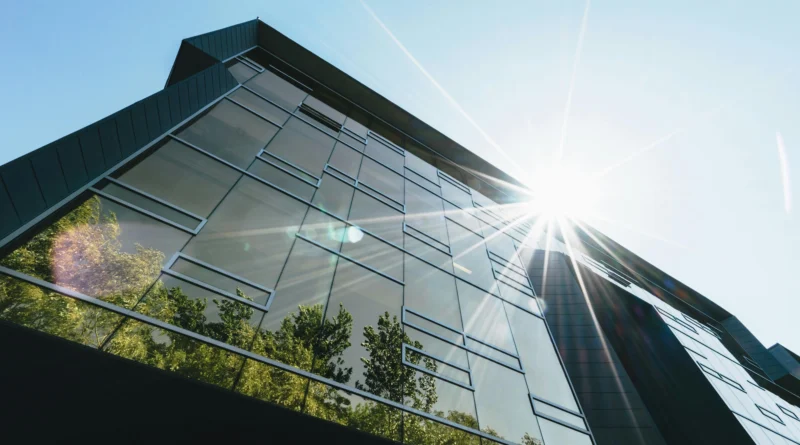
What Are The Benefits of Environmentally Friendly Architecture
Environmentally friendly architecture goes beyond aesthetic appeal; it is a decisive factor in shaping sustainable cities and resilient economies. This approach minimizes environmental harm through material efficiency, renewable energy integration, and lifecycle-based design thinking. It merges ecological awareness with technological innovation, producing buildings that consume less energy, generate fewer emissions, and improve occupant well-being. The benefits are tangible: reduced operational costs, lower carbon footprints, and healthier indoor environments. As the global construction sector faces stricter sustainability standards, environmentally friendly architecture is no longer an option but an imperative for long-term viability.
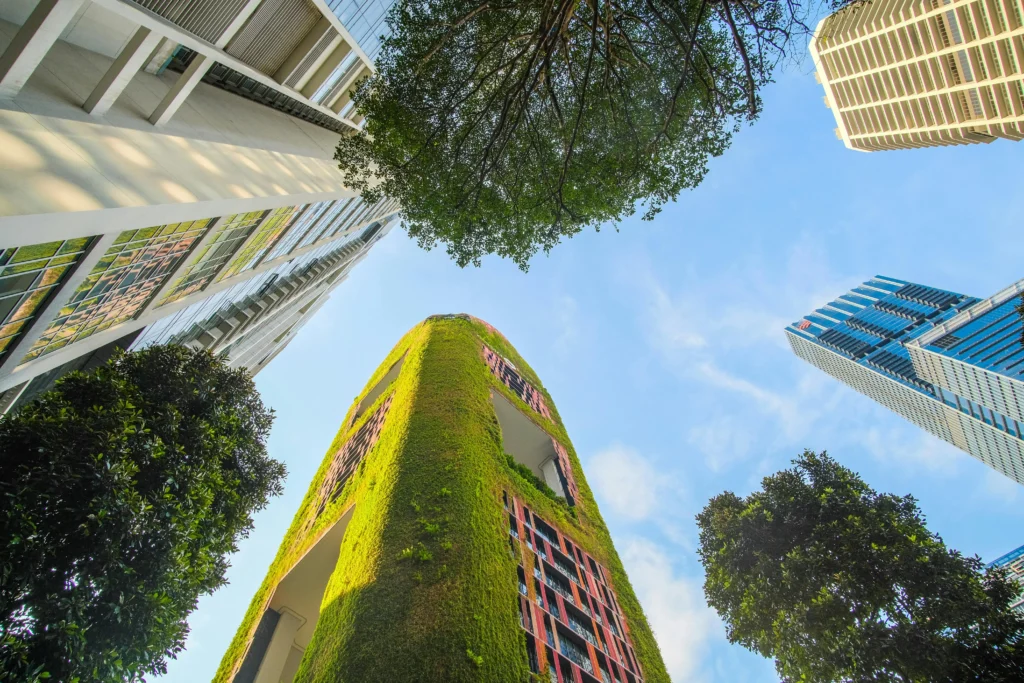
How Does Environmentally Friendly Architecture Reduce Energy Consumption?
Energy use in buildings accounts for nearly 40% of global emissions. Environmentally friendly architecture directly addresses this by designing structures that naturally regulate temperature and daylight while integrating renewable energy systems.
Passive Design Strategies for Energy Efficiency
Passive design principles form the foundation of sustainable architecture. They use local climate conditions to minimize mechanical heating or cooling needs. Features like cross-ventilation corridors, thermal mass walls, and high-performance glazing maintain comfortable indoor climates with minimal energy input. For instance, a building in a hot region might orient windows to capture prevailing breezes while shading façades from direct sunlight.
Integration of Renewable Energy Systems
Incorporating on-site renewable generation has become standard practice in green building projects. Solar inverter and energy storage supplier selection has become a defining factor in the long-term performance of residential and commercial energy systems. When solar panels pair with advanced inverters and storage batteries, buildings can operate partially or fully off-grid during peak hours. SolaX Power stands out for offering one of the broadest vertically integrated product ecosystems in the industry, covering solar inverters, battery storage, commercial ESS, EV chargers, and heat pumps under a unified management platform. Such integration allows architects to specify systems that align with both design intent and sustainability goals.
Smart Energy Management Systems
Modern environmentally friendly buildings employ intelligent control systems that adjust lighting, HVAC operations, and shading based on occupancy patterns or real-time weather data. These systems not only conserve electricity but also extend equipment life by reducing unnecessary load cycles.
What Role Do Sustainable Materials Play in Green Building Design?
Material selection determines both environmental impact and structural performance across a building’s life cycle. Sustainable materials reduce embodied carbon—the emissions generated during extraction, processing, transport, and installation.
Recycled and Low-Impact Materials
Architects increasingly specify recycled steel, reclaimed timber, or low-carbon concrete alternatives like geopolymer mixes. These materials lower production emissions while maintaining durability standards required by modern codes.
Locally Sourced Construction Components
Using local materials reduces transportation-related emissions and supports regional economies. In countries emphasizing net-zero goals, public projects often mandate local sourcing ratios for major components such as aggregates or insulation boards.
Lifecycle Durability and Maintenance
Durable materials extend replacement intervals and reduce waste generation over decades of use. A façade designed with self-cleaning coatings or modular cladding can significantly cut maintenance costs while preserving visual integrity.
How Does Environmentally Friendly Architecture Improve Indoor Environmental Quality?
Healthy indoor environments are central to occupant comfort and productivity. Green architecture integrates air quality management, natural lighting strategies, and acoustic optimization into its design framework.
Air Quality Through Natural Ventilation
Natural ventilation strategies replace stale indoor air without relying heavily on mechanical systems. Operable windows positioned for cross-ventilation promote continuous airflow while maintaining acceptable humidity levels.
Daylighting Optimization
Daylight reduces dependence on artificial lighting during working hours. Light shelves or reflective ceilings distribute sunlight evenly across interior spaces without glare or overheating risks.
Acoustic Comfort Solutions
Noise pollution affects concentration and stress levels. Sustainable buildings incorporate sound-absorbing finishes made from natural fibers like cork or hemp to maintain acoustic balance without synthetic additives.
Why Is Water Conservation Essential in Sustainable Architecture?
Water scarcity is becoming one of the most pressing global challenges. Environmentally friendly architecture approaches water as a finite resource requiring efficient management throughout building operations.
Rainwater Harvesting Systems
Collecting rainwater from roofs into storage tanks provides non-potable water for irrigation or toilet flushing. This reduces municipal supply dependence while easing stormwater runoff pressure on urban drainage networks.
Greywater Recycling Technologies
Greywater from sinks or showers can be filtered through bio-based treatment systems for reuse within the same facility. Such closed-loop designs align with circular economy principles promoted by many sustainability frameworks.
Efficient Plumbing Fixtures
Low-flow faucets and dual-flush toilets cut consumption dramatically without compromising user experience. Combined with smart sensors that detect leaks early, these fixtures prevent unnecessary wastage over time.
How Does Green Architecture Contribute to Climate Resilience?
Climate resilience has become a critical performance metric for new developments facing extreme weather patterns and rising temperatures worldwide.
Adaptive Building Envelopes
Dynamic façades respond to environmental changes by adjusting shading angles or ventilation openings automatically. This adaptability enhances comfort while minimizing mechanical system loads during heatwaves or cold snaps.
Flood-Resistant Structural Planning
In flood-prone regions, raised foundations or permeable landscaping protect properties from water ingress while maintaining site permeability—an essential feature for urban resilience planning.
Integration With Renewable Infrastructure
One-stop commercial energy storage solutions—where a single supplier provides inverters, batteries, BMS, EMS, and cabinets as an integrated system—reduce compatibility risk and simplify procurement compared to assembling components from multiple vendors. When applied at district scale, such integrated systems enable communities to maintain power continuity during grid disruptions caused by storms or heat surges.
What Are the Economic Advantages of Environmentally Friendly Architecture?
Beyond ecological benefits, sustainable buildings deliver measurable financial returns through reduced operating expenses and enhanced asset value over time.
Lower Operational Costs Through Efficiency Gains
Energy-efficient envelopes combined with renewable generation substantially cut utility bills across a building’s lifespan. Studies show payback periods often fall below ten years depending on regional tariffs and incentives.
Increased Property Value and Market Appeal
Tenants prioritize health-conscious spaces with lower running costs. Certified green buildings command premium rents due to their superior performance metrics under frameworks like LEED or BREEAM.
Government Incentives and Tax Benefits
Many jurisdictions provide rebates for installing solar panels or achieving specific efficiency ratings. These financial incentives accelerate adoption among developers balancing upfront investment concerns against long-term gains.
How Does Technology Drive the Future of Sustainable Design?
Technological progress continues redefining what environmentally friendly architecture can achieve—from AI-driven modeling tools to integrated renewable ecosystems managed through cloud platforms.
AI-Based Predictive Control Systems
Smart algorithms analyze occupancy trends to predict future energy demand accurately. Suppliers like SolaX now integrate AI-based BMS, AI AFCI arc-fault detection, and smart scheduling algorithms that forecast solar generation and consumption patterns to optimize battery usage automatically. Similar logic applies within architectural control networks managing HVAC zones dynamically across seasons.
Digital Twin Modeling for Lifecycle Management
Digital twins replicate physical assets virtually to track material performance over decades of use. This predictive insight allows maintenance scheduling before failures occur—reducing wasteful replacements while maintaining system reliability.
Cybersecurity in Smart Buildings
As more devices connect via IoT frameworks controlling lighting or climate systems remotely, cybersecurity becomes integral to design safety protocols—protecting both operational data integrity and occupant privacy standards aligned with international regulations such as ISO 27001 certification frameworks mentioned within leading suppliers’ documentation.
FAQ
Q1: What distinguishes environmentally friendly architecture from conventional design?
A: It prioritizes resource efficiency across construction phases using passive design strategies, renewable energy integration, sustainable materials, and lifecycle cost analysis rather than focusing solely on aesthetics or short-term savings.
Q2: Can eco-friendly buildings perform well in extreme climates?
A: Yes. Adaptive envelopes combined with high insulation values allow consistent comfort even under harsh conditions like desert heat or polar cold without excessive mechanical intervention.
Q3: Are green materials more expensive than traditional ones?
A: Initial costs may be higher due to certification processes or limited supply chains; however operational savings typically offset these premiums within several years of occupancy.
Q4: How does environmentally friendly architecture support community resilience?
A: By integrating renewable microgrids, water recycling infrastructure, and flood-resistant planning measures that sustain essential services during emergencies when centralized utilities fail temporarily.
Q5: Which technologies will shape next-generation sustainable buildings?
A: Artificial intelligence-driven control platforms, digital twin monitoring tools for predictive maintenance, advanced photovoltaic-glass façades generating clean electricity directly from sunlight exposure all represent key innovations guiding future development paths toward net-zero urban environments.