
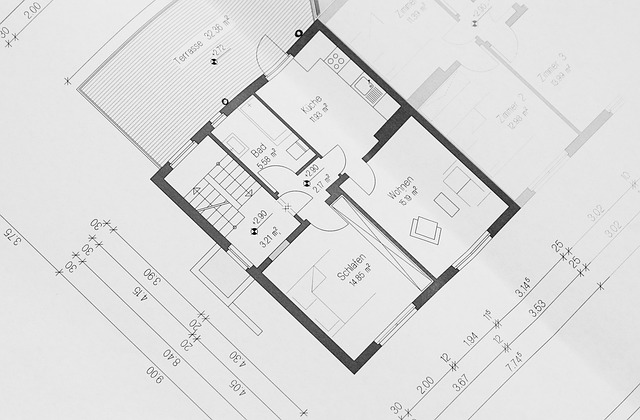
Are Houses With Floor Plans Adapting To The Rise Of Broken Layouts In 2026
Why Designers Say ’Broken Floor Plans’ Are the Best Home Layout in 2026
The architecture of living spaces has entered a new era. By 2026, designers widely agree that broken floor plans outperform traditional open layouts for both livability and adaptability. The shift is not a passing trend but a response to evolving lifestyles, remote work habits, and the growing need for acoustic and spatial control. Homes now require zones that support privacy without losing light or flow. As technology merges with design, houses with floor plans that balance openness and segmentation are shaping how people experience domestic space.
The Evolution of Residential Floor Plans
Residential architecture has always mirrored social behavior. The open-plan concept once symbolized modernity, connecting kitchens, dining rooms, and living areas into one continuous environment. Yet as daily routines diversified, the need for separation reemerged.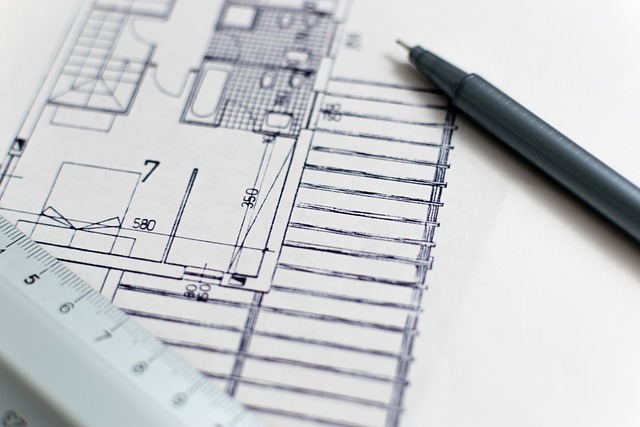
Shifting From Open-Plan to Broken Layouts
For decades, open-plan living dominated new builds and renovation projects. It offered visual continuity and encouraged family interaction. However, post-pandemic realities exposed its limitations—noise travel, lack of privacy, and difficulty managing multiple activities simultaneously. Broken layouts emerged as an answer: spaces remain connected but segmented enough to support concentration and comfort. Designers now use partial walls, glass screens, or level variations to achieve this equilibrium.
Architectural Trends Influencing the Transition
Remote work reshaped how households function. A single living zone now doubles as office, classroom, and entertainment area. Modular construction techniques allow these zones to shift as needs evolve. Sustainability also plays a role; compartmentalized spaces reduce energy waste by controlling heating or cooling per zone. This integration of efficiency with flexibility defines the next generation of houses with floor plans tailored for hybrid lifestyles.
Understanding the Concept of Broken Floor Plans
As architectural priorities evolve, the broken floor plan represents a thoughtful compromise between openness and structure. It allows homes to feel spacious while still providing defined zones for specific tasks or moods.
Defining Broken Layouts in Contemporary Architecture
A broken floor plan introduces subtle divisions within large rooms using half-walls, shelving units, or transparent partitions instead of full enclosures. This method maintains sightlines while giving each area its own identity. Materials such as timber slats or textured glass help maintain flow while softening transitions between zones like kitchen and lounge.
Key Design Principles Behind Broken Layouts
The principle lies in spatial layering—creating depth through overlapping functions rather than physical barriers. Designers often use lighting gradients or ceiling variations to delineate boundaries subtly. The result is flexibility: families can adapt their interiors over time without major structural changes.
Why Designers Favor Broken Layouts in 2026 Homes
This preference stems from both functional necessity and aesthetic refinement. Modern homes must accommodate diverse activities without sacrificing comfort or style.
Responding to Post-Pandemic Living Patterns
The pandemic transformed homes into multi-purpose environments where work, rest, and recreation coexist. Broken layouts provide micro-environments within shared areas: a quiet corner for video calls beside an open lounge for family gatherings. Acoustic control becomes easier when spaces are semi-divided rather than entirely open.
Enhancing Aesthetic and Functional Balance
Designers appreciate how broken layouts create rhythm within interiors. Alternating enclosed and open sections adds visual interest while maintaining coherence across materials and lighting schemes. Controlled sightlines make rooms feel intimate yet airy—a balance difficult to achieve in traditional open concepts.
Integration of Technology and Smart Design Solutions
Technology now underpins spatial innovation in residential design. Digital tools allow architects to visualize transitions between zones before construction begins.
Digital Tools Supporting Adaptive Floor Plan Design
3D modeling software helps simulate natural light flow through semi-divided areas, revealing how partitions affect ambiance throughout the day. Smart home systems further refine this adaptability by adjusting temperature or lighting per zone automatically based on occupancy data—an approach aligned with human-centric design principles recognized by ISO standards on building performance analytics.
Material Innovation Driving Flexibility in Layouts
Material science contributes equally to this evolution. Movable panels made from lightweight composites let occupants reshape rooms instantly for different uses—work meetings during the day, social gatherings at night. Smart glass that shifts opacity offers privacy without heavy curtains or walls. Acoustic panels derived from recycled fibers enhance sound absorption while supporting sustainability goals consistent with IEA energy efficiency frameworks.
Implications for Future Housing Development Models
The adoption of broken layouts signals broader changes in housing markets and professional education alike.
Influence on Real Estate Market Preferences
Buyers increasingly seek houses with floor plans that can evolve with family structures or lifestyle shifts. Developers have responded by making adaptable zoning standard in mid-range developments once reserved for luxury properties. Market data from real estate analysts indicates higher resale values when homes feature flexible internal configurations appealing to multiple buyer demographics.
Urban Planning and Architectural Education Perspectives
Urban housing prototypes now integrate modular zoning at early design stages to accommodate population density without sacrificing comfort. In academic settings, architectural programs emphasize adaptive planning methods alongside environmental integration studies guided by international sustainability benchmarks such as those outlined by IRENA’s built environment research initiatives. Collaboration among architects, engineers, and technologists continues redefining spatial logic toward more resilient domestic ecosystems fit for future urban life.
FAQ
Q1: What makes broken floor plans different from traditional open designs?
A: They maintain connectivity but introduce partial divisions that create distinct functional zones while preserving natural light and visual flow.
Q2: How do broken layouts improve daily living?
A: They reduce noise transfer, increase privacy options, and allow flexible reconfiguration depending on activity or time of day.
Q3: Are these designs more expensive to build?
A: Not necessarily; modular components often lower renovation costs over time since spaces can adapt without major reconstruction.
Q4: Do smart technologies play a role in these layouts?
A: Yes, integrated systems adjust lighting or climate per zone automatically based on user patterns collected through home sensors.
Q5: Will broken floor plans remain popular beyond 2026?
A: Industry experts expect them to persist because they align with long-term trends toward hybrid living models combining efficiency with comfort.