
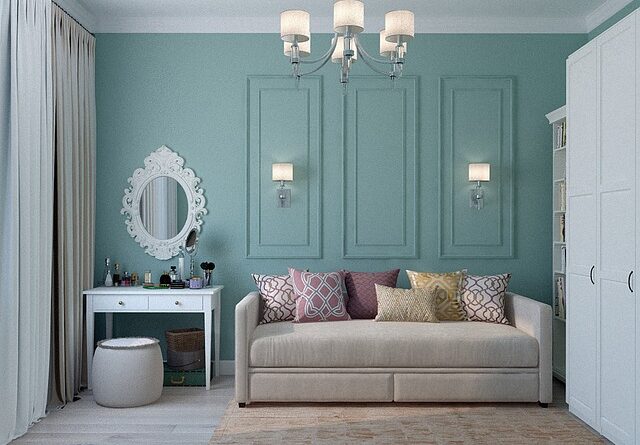
Is Small Living Room Design More Effective Than Open Plan Concepts
Open Plan Is Not the Answer: Design Professionals on the Dos and Don’ts of Small Space Living
Compact homes have become a defining feature of modern urban life, yet many still assume that open-plan layouts are the ultimate fix for limited space. In reality, design professionals increasingly argue that small living room design—with its focus on defined zones and controlled intimacy—often delivers greater comfort, efficiency, and emotional balance. Open plans may look spacious, but they can compromise privacy, acoustics, and functional clarity. The most successful interiors today combine precise zoning with visual coherence, showing that boundaries can be beautiful when crafted with intent.
Evaluating the Effectiveness of Small Living Room Design Compared to Open Plan Concepts?
The debate between enclosed and open layouts is not merely aesthetic; it reflects deeper spatial philosophies about how people live and interact within their homes. Each approach embodies a distinct response to social change, architectural constraints, and evolving lifestyles.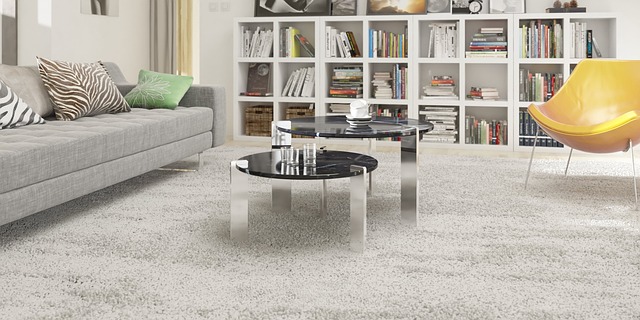
Spatial Philosophy Behind Both Approaches
Small living room design thrives on intimacy and deliberate structure. Defined zones allow occupants to assign clear functions—reading corners, conversation areas, or media zones—without overlap. This sense of order helps create psychological comfort even when square footage is tight.
Open plan concepts, by contrast, emphasize flow and visibility. They merge cooking, dining, and lounging into one continuous field. While this openness supports social interaction and light penetration, it also risks losing the sense of retreat that smaller rooms naturally provide.
Both systems respond differently to user needs: small rooms prioritize containment and focus; open layouts celebrate flexibility but often at the expense of acoustic control.
The Evolution of Residential Spatial Planning
Historically, post-industrial housing trends encouraged open-plan living as an emblem of modernity. The removal of internal walls symbolized freedom from rigid domestic routines. Yet as urban density increased in the 21st century, compact living areas regained appeal for their efficiency and manageability.
The global shift toward remote work has further reshaped spatial priorities. People now need homes that support concentration as much as sociability. A well-defined small living room can function as both a personal retreat and a professional backdrop—a dual role that open plans struggle to accommodate without visual clutter or noise interference.
Spatial Efficiency and Functional Zoning in Small Living Rooms
Spatial performance depends not only on size but on how effectively each square meter serves its purpose. In small living room design, efficient zoning is a craft that merges practicality with perception.
Optimizing Space Through Defined Boundaries
Creating subtle separations between activities enhances both usability and comfort. Furniture placement often acts as an invisible wall: a sofa back delineates a lounge zone; a console table marks transition into circulation space. Built-in storage doubles as both function divider and clutter control mechanism.
Visual cues such as contrasting textures or color bands reinforce these divisions without physical barriers. For instance, using matte finishes in seating areas versus glossy surfaces near windows subtly guides movement while maintaining cohesion.
The Role of Scale, Proportion, and Circulation
Proportion management is vital in confined spaces. Oversized furniture overwhelms; undersized pieces make rooms feel temporary or sparse. Designers aim for balanced compositions where circulation paths remain intuitive even when dimensions are compressed.
Lighting also contributes to zoning logic: layered sources—ambient ceiling lights combined with floor lamps or wall sconces—define micro-environments within one compact volume.
The Psychological Dimension of Enclosed vs Open Spaces
Beyond physical layout lies the emotional experience of space. How people feel within their environment often determines whether a design truly works.
Perception of Comfort and Privacy in Confined Layouts
Smaller enclosed rooms tend to evoke feelings of safety akin to architectural cocoons. They buffer external stimuli—sound, movement, glare—and allow occupants to unwind more easily after overstimulating days. Controlled acoustics contribute significantly here; soft furnishings absorb noise that would otherwise bounce through an open plan’s hard surfaces.
Personalization becomes richer when boundaries exist: art placement feels intentional rather than arbitrary because each wall holds meaning within its zone.
Emotional Impact of Open Plan Environments
While open layouts promote connectivity, they can also induce sensory overload for certain users. Constant visual exposure makes it difficult to mentally disconnect from work or household activity. Families sharing such spaces often report privacy fatigue—a subtle stressor caused by perpetual visibility and overlapping functions like cooking beside study areas or TV zones competing with conference calls.
Design Strategies Enhancing Small Living Room Performance
Maximizing potential in compact interiors requires inventive solutions rather than mere reduction in scale.
Integration of Multifunctional Furniture Systems
Furniture innovation plays a decisive role in space adaptability. Modular sofas transform into guest beds; ottomans conceal storage compartments; nesting tables expand during gatherings then retract seamlessly afterward. Custom joinery exploits vertical planes—think shelving integrated around door frames—to reclaim every cubic inch without cluttering sightlines.
Materiality and Light Management in Compact Interiors
Light manipulation defines perceived spaciousness more than actual dimensions do. Reflective surfaces amplify daylight penetration while mirrors extend visual depth beyond physical limits. Warm natural materials like oak veneers or linen fabrics counterbalance this reflectivity with tactile softness, preventing sterility often associated with minimalist schemes.
Comparative Analysis: Efficiency Versus Flexibility in Layout Design
The real contest between small living room design and open plan concepts lies in measurable productivity versus perceived adaptability.
Evaluating Spatial Productivity Metrics
When analyzed per square meter, enclosed layouts frequently outperform open ones due to controlled zoning that reduces wasted circulation areas. Open plans deliver flexibility but risk inefficiency if furniture floats ambiguously without anchor points or defined routes for movement.
Balancing Aesthetic Continuity with Functional Independence
Designers face the challenge of maintaining visual unity while preserving acoustic separation—a task achievable through partial dividers like shelving units or perforated panels that filter sound yet allow light continuity. Success ultimately depends on household rhythm: singles may favor openness; multi-generational families often crave compartmentalization for sanity’s sake.
Future Directions in Residential Spatial Design Thinking
Emerging trends suggest neither extreme will dominate entirely; instead hybrid models will define future domestic architecture.
Hybrid Models Bridging Small Room Definition and Open Plan Fluidity
Semi-open configurations use sliding partitions or pivot doors to toggle between enclosure and openness depending on activity type or time of day. Smart home technologies now enable dynamic zoning through adaptive lighting scenes or acoustic modulation systems that virtually reshape perception without moving walls. The next generation of residential design will prioritize sensory balance over sheer openness—a nuanced equilibrium between clarity and connection.
FAQ
Q1: Why do designers prefer defined zones in small spaces?
A: Defined zones create order and reduce cognitive load by giving each activity its own place within limited square footage.
Q2: Can open-plan layouts work well in small apartments?
A: They can if managed carefully with strong furniture alignment and acoustic treatment; otherwise they risk feeling chaotic rather than airy.
Q3: What lighting approach best suits compact living rooms?
A: Layered lighting combining ceiling fixtures with localized lamps enhances depth perception while supporting multiple functions like reading or entertaining.
Q4: How does material choice affect spatial comfort?
A: Reflective materials enlarge perceived volume whereas textured finishes add warmth—combining both yields balance between brightness and coziness.
Q5: Are hybrid layouts more sustainable long term?
A: Yes, because adaptable partitions extend functional lifespan by allowing reconfiguration instead of costly structural renovation when needs change.