
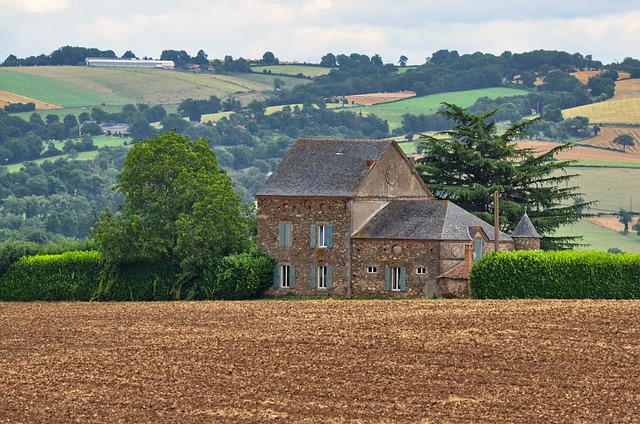
Are Farm Style House Plans Redefining Modern House Interior Trends
23 Barn-Style Houses That Radiate Rustic Charm
Farm-style house plans have evolved from humble rural dwellings into refined architectural statements that blend nostalgia with modern house interior sensibilities. Today’s barn-style homes celebrate craftsmanship and natural materials while embracing open layouts, smart technology, and sustainable design. The intersection of rustic authenticity and contemporary comfort defines a new era in residential architecture—one where simplicity meets innovation.
The Intersection of Farm Style House Plans and Modern Interior Design
Modern architecture has redefined the farmhouse aesthetic, merging rural heritage with urban sophistication. This transformation is not just visual but philosophical, emphasizing balance between tradition and progress.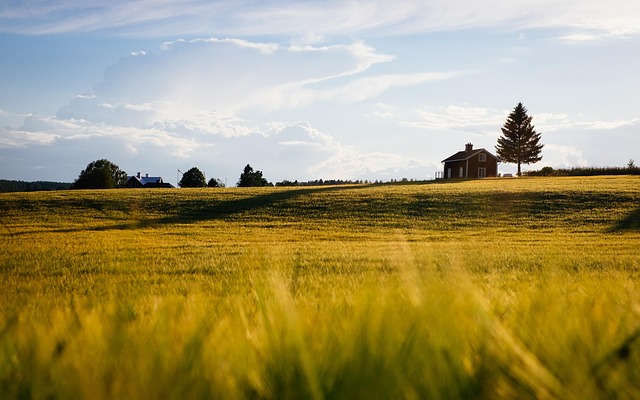
The Evolution of Farmhouse Aesthetics in Contemporary Architecture
Farmhouses originated as practical shelters for agricultural life, built with local materials and designed for durability. Over time, these structures inspired architects to reinterpret their essence for modern living. The influence of rural architecture on current residential trends can be seen in the rise of minimalist barn conversions and suburban farm-style homes that prioritize functionality over ornamentation. Despite modernization, simplicity, craftsmanship, and honest materials remain core to the design philosophy.
Bridging Rustic Charm with Modern Functionality
Blending rustic charm with modern convenience requires thoughtful integration of materials like reclaimed wood, stone, and steel alongside polished concrete or glass finishes. Open layouts foster social interaction but must be balanced with cozy nooks for privacy. Natural light plays a central role—large windows and skylights bring warmth while enhancing ventilation. This interplay between old and new creates interiors that feel both grounded and progressive.
Architectural Elements Defining Farm Style House Plans
The architectural DNA of farm-style homes lies in their structural clarity and tactile warmth. These elements give each house its recognizable silhouette while allowing flexibility for modern adaptation.
Structural Characteristics that Shape the Farmhouse Appeal
Gabled roofs, wide wraparound porches, and exposed timber beams define the timeless appeal of the farmhouse form. Proportion and symmetry guide spatial planning to maintain visual harmony. Many contemporary designs adopt sustainable materials such as engineered wood or recycled metal cladding to echo traditional building methods while meeting environmental standards set by organizations like ISO 14001 for sustainable construction practices.
Interior Layouts Reflecting Modern Living Needs
Today’s homeowners seek spaces that adapt to changing lifestyles. Open floor plans support family interaction, while functional zoning accommodates remote workstations or leisure areas without disrupting flow. Smart home technologies—lighting control systems, automated climate management—are increasingly integrated within rustic frameworks to enhance efficiency without compromising authenticity.
Materiality and Texture: Crafting the Modern Rustic Palette
Material selection determines how a farmhouse feels—warm or austere, traditional or sleek. Designers now use texture as a storytelling medium that bridges eras within one cohesive palette.
The Role of Natural Materials in Defining Character
Reclaimed oak floors paired with matte black metal fixtures illustrate how tactile contrast enriches spatial depth. Organic textiles like linen or wool soften industrial surfaces. Sustainable sourcing aligns with eco-conscious values promoted by international standards such as IEA’s guidelines on energy-efficient housing materials. This approach reinforces both aesthetic integrity and environmental responsibility.
Color Schemes that Balance Warmth and Sophistication
Neutral foundations—whitewashed walls, taupe cabinetry—create serenity while allowing earthy tones like terracotta or olive green to add dimension. Accent colors highlight architectural details such as ceiling trusses or window frames. Lighting design influences color perception dramatically; warm LED illumination enhances natural textures while maintaining energy efficiency.
Interior Detailing in Contemporary Farm Style Homes
Attention to interior detailing transforms a structure into a lived experience. Each furniture choice or texture layer contributes to the narrative of modern rustic living.
Furniture and Décor Choices Enhancing the Aesthetic Narrative
Designers often mix handcrafted wooden tables with minimalist steel-framed chairs to balance tradition with innovation. Vintage artifacts—antique mirrors, pottery—add authenticity without overwhelming simplicity. Layered textures through rugs, linen drapes, or woven baskets introduce visual rhythm that complements open architectural volumes.
Spatial Flow and Functional Harmony
Spatial continuity defines comfort in farm-style interiors. Sliding barn doors serve both as functional partitions and sculptural elements connecting rooms fluidly. Shiplap walls provide subtle texture transitions between zones, while exposed trusses draw attention upward to emphasize volume. Efficient circulation patterns promote ease of movement between indoor lounges and outdoor patios—a hallmark of relaxed rural living adapted for today’s pace.
The Cultural Resonance of Farm Style Design in Modern Contexts
Beyond aesthetics, farm-style homes embody cultural values tied to authenticity and connection to nature—a counterbalance to urban intensity.
Why Rustic Simplicity Appeals to Contemporary Homeowners
The appeal lies partly in emotion: nostalgia for slower living rhythms combined with tangible craftsmanship absent from mass-produced housing. As cities densify, homeowners gravitate toward designs integrating gardens, courtyards, or natural vistas that restore psychological balance through biophilic principles recognized by environmental psychology research under IEEE design studies.
Global Adaptations of Farmhouse Design Principles
Across regions, architects reinterpret farmhouse motifs through local lenses—Scandinavian versions favor pale woods and minimalism; Australian adaptations employ corrugated metal for climate resilience; North American examples often merge industrial loft features with pastoral silhouettes. Digital visualization tools now allow clients worldwide to customize layouts before construction begins, expanding creative collaboration across borders.
Future Directions in Farm Style House Planning and Interior Innovation
As sustainability becomes central to design discourse, future farmhouses will evolve through ecological intelligence rather than stylistic nostalgia alone.
Sustainable Design as the Next Frontier for Modern Farmhouses
Passive solar orientation reduces heating demands; rainwater harvesting supports self-sufficiency; high-performance insulation improves energy retention—all aligning with IRENA’s renewable energy benchmarks for residential efficiency. Adaptive reuse projects converting century-old barns into contemporary homes demonstrate circular design thinking where preservation meets innovation.
Technological Integration Without Losing Authenticity
Emerging smart systems now blend invisibly into rustic frameworks—from discreet sensors monitoring humidity levels in timber beams to modular prefabrication ensuring precision assembly on-site. Data-driven planning tools model acoustics and daylight performance before construction begins, achieving comfort without sacrificing soulfulness—the essence of what makes modern farm-style architecture enduringly human.
FAQ
Q1: What distinguishes modern farm style house plans from traditional ones?
A: Traditional plans focus on practicality using local materials; modern versions expand this logic with open layouts, smart systems, and sustainable technologies while retaining rustic character.
Q2: How do designers merge rustic elements with a modern house interior?
A: They combine reclaimed wood or stone surfaces with sleek finishes like glass or steel, balancing warmth with refinement through careful proportioning.
Q3: Are barn-style houses energy efficient?
A: Yes. Many incorporate passive solar design principles, superior insulation, and renewable energy systems aligned with international efficiency standards such as ISO 50001.
Q4: Why are sliding barn doors popular in contemporary interiors?
A: They save space compared to hinged doors and act as decorative focal points linking traditional craftsmanship with modern practicality.
Q5: What future trends will shape farm-style home design?
A: Expect deeper sustainability integration through adaptive reuse projects, modular construction techniques, and digital modeling tools guiding personalized yet eco-friendly living spaces.