
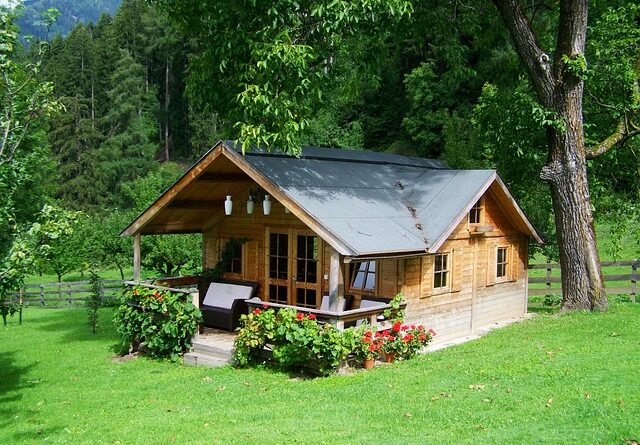
Can Tiny House Floor Plans Redefine Three Bedroom Family Living Comfortably
Three-Bedroom Tiny House Makes Space for Comfortable Family Living
A three-bedroom tiny house challenges the long-held belief that family comfort requires large square footage. Through smart spatial planning, modular design, and sustainable materials, these compact homes balance privacy, utility, and style. Families are finding that with well-crafted tiny house floor plans and adaptable layouts, it’s possible to live comfortably while reducing environmental impact and construction costs. The key lies in rethinking how space functions rather than how much of it exists.
Rethinking Family Living Through Tiny House Floor Plans
The growing interest in smaller homes stems from practical and environmental pressures. Rising urban density and sustainability goals have made efficiency a design priority. Families now seek homes that support flexible lifestyles without excess space or waste.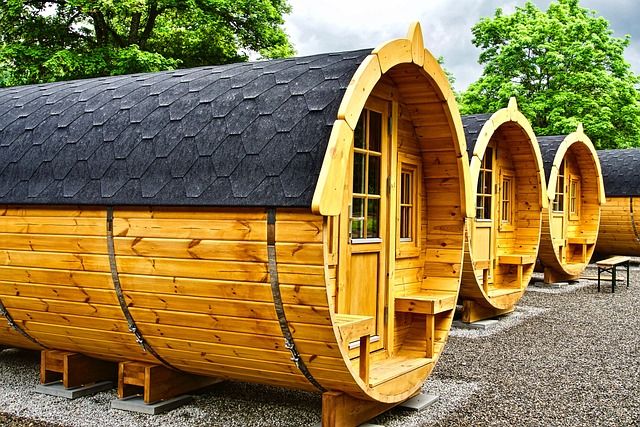
The Shift Toward Compact and Efficient Living
Urban centers are becoming denser, pushing architects to rethink housing models. Compact living isn’t just a trend; it’s a response to limited land supply and high energy costs. Families are discovering that functionality can outweigh size when spaces are designed for purpose rather than prestige. This shift also aligns with the idea of “living large in small spaces,” where design intelligence replaces square footage as the measure of comfort.
The Three-Bedroom Tiny House as a Viable Family Model
Modern tiny houses can accommodate families through inventive layouts. A three-bedroom configuration within 500–800 square feet uses every inch efficiently—often through lofts, sliding partitions, or multi-use furniture. These homes demonstrate that livability depends more on circulation flow and storage integration than on overall area.
Design Strategies Focused on Comfort Without Expansion
Instead of expanding outward, designers focus on vertical layering and open-plan concepts to enhance comfort. Small details—like daylight access, window placement, and built-in seating—help create a sense of openness. The result is a home that feels generous despite its footprint.
Architectural Principles Behind Effective Tiny House Floor Plans
Designing compact homes requires precision similar to yacht or aircraft interiors: every corner must serve a function. Architects use spatial optimization methods that blend technical rigor with human comfort considerations.
Spatial Optimization Techniques for Multi-Room Layouts
Vertical expansion through lofts or mezzanines increases usable space while maintaining compact footprints. Sliding walls or foldable furniture allow rooms to change roles throughout the day—bedrooms become play zones or study areas when needed. Circulation paths are minimized so more area supports daily activities instead of corridors.
Integrating Comfort into Compact Design
Comfort in small spaces depends on light quality, airflow, and acoustic control. Large windows bring daylight deep into interiors, while cross-ventilation keeps air fresh without mechanical systems running constantly. Acoustic zoning using soft materials ensures privacy even when rooms share walls or ceilings.
Thermal Performance Through Passive Design Principles
Energy efficiency is achieved by combining insulation with passive solar strategies such as overhangs or reflective surfaces. These reduce heating loads in winter and cooling demand in summer—a critical factor for sustainable tiny houses.
Designing Three-Bedroom Configurations Within Limited Space
Creating three distinct bedrooms inside a small footprint demands careful spatial choreography. Each room must feel private yet remain connected to communal zones like the kitchen or living area.
Layout Strategies for Family Functionality
Zoning separates sleeping quarters from shared areas to preserve quietness during different schedules. Bedrooms often cluster around central utilities like bathrooms to save plumbing runs. Built-in wardrobes or raised-platform beds double as storage compartments, reducing clutter.
Balancing Aesthetics With Practical Needs
Minimalist interiors emphasize clean lines and uncluttered surfaces to make rooms appear larger. Consistent materials—like light-toned wood or neutral paint—create visual continuity between spaces. Lighting plays a subtle but crucial role: layered illumination adds depth without overwhelming the senses.
Storage Embedded Into Structure
Storage is integrated into stairs, floors, and wall cavities rather than added afterward. For example, drawers under stair treads or ceiling-mounted cabinets keep essentials accessible yet invisible when not needed.
Cool House Plan Innovations That Inspire Tiny Family Homes
Innovation drives the evolution of cool house plans suited for modern families seeking both flexibility and sustainability in tight spaces.
Modular Construction and Prefabrication Advances
Prefabricated modules allow precision manufacturing under controlled conditions, minimizing waste during assembly on-site. Modular sections can later be expanded—adding a nursery or workspace as family needs change—without major reconstruction efforts.
Smart Technology Integration for Efficiency and Comfort
Home automation systems manage lighting schedules, temperature regulation, and energy monitoring automatically. Smart storage units can adjust shelving heights based on usage frequency, making everyday life smoother within confined dimensions.
Digital Tools Supporting Design Precision
Before construction begins, digital modeling software simulates natural light paths and movement flows through each room layout. This preemptive analysis helps fine-tune proportions before any physical build starts.
Social and Environmental Implications of Tiny Family Living
Tiny houses aren’t just architectural experiments; they reflect broader cultural values around sustainability and intentional living.
Sustainability Benefits of Downsized Homes
Smaller homes consume fewer resources during construction due to reduced material requirements and lower embodied carbon content per unit area (as recognized by IEA building efficiency reports). Energy-efficient envelopes further cut operational emissions over decades of use.
Compact Communities Encouraging Shared Resources
Clusters of tiny homes often share gardens, workshops, or renewable energy systems like solar arrays—creating micro-neighborhoods centered on collaboration rather than isolation.
Redefining Modern Family Dynamics Through Space Efficiency
Limited space fosters closer interaction among family members while encouraging mindful consumption habits. Children grow up valuing shared experiences over possessions—a subtle but meaningful social shift toward minimalism aligned with global lifestyle trends.
FAQ
Q1: How large is a typical three-bedroom tiny house?
A: Most range between 500–800 square feet depending on layout complexity and whether loft levels are included.
Q2: Can a three-bedroom tiny house meet building codes?
A: Yes, provided it complies with local residential standards covering ceiling height, egress windows, fire safety measures, and foundation type.
Q3: What materials work best for constructing cool house plans?
A: Lightweight timber frames combined with structural insulated panels (SIPs) offer durability while maintaining thermal performance suitable for small builds.
Q4: Are these homes suitable for cold climates?
A: With proper insulation layers and passive solar orientation strategies, they perform well even in regions with sub-zero temperatures.
Q5: How do families adapt long-term to compact living?
A: Many adopt modular furniture systems allowing reconfiguration as children grow or routines shift—keeping the home functional across life stages.